Most souvenirs in Grenada are harmless, and a few cost more than their price tag. Black coral jewellery, turtle-shell trinkets and polished conch shells are still occasionally offered to visitors across the Caribbean, often by people who see nothing wrong with selling them. Buying them can damage reefs and endangered species, and at the end of the trip customs officers at home may seize the item and, in some countries, issue a fine.
This guide sets out the items that cause trouble, explains why, and suggests alternatives that are just as distinctive. It is general guidance rather than legal advice. Wildlife trade rules come from both Grenadian law and international agreements, and each importing country applies its own regulations, so for anything borderline check with the relevant authority before you buy rather than after.
Why wildlife souvenirs are regulated
International trade in endangered species is governed by CITES, the Convention on International Trade in Endangered Species of Wild Fauna and Flora, to which Grenada and most destination countries are parties. CITES places species in appendices. Those in Appendix I, such as sea turtles, are essentially barred from commercial international trade. Those in Appendix II, including black corals, stony corals and queen conch, can be traded only with export permits showing the trade is legal and sustainable.
In practice, a souvenir made from an Appendix II species needs paperwork that a beach vendor will almost never be able to provide. Importing countries can confiscate items without permits, and the United States, the United Kingdom, the European Union and Canada all enforce wildlife import rules at the border. Ignorance is rarely accepted as an excuse.
Grenada also has its own fisheries and environmental rules, including marine protected areas such as Moliniere-Beausejour on the west coast and Sandy Island/Oyster Bed off Carriacou, where taking marine life and coral is prohibited. Even where buying an item is not itself illegal locally, it may still be illegal to bring home.
Items to avoid
Black coral jewellery. Black coral grows extremely slowly and is protected under CITES Appendix II. Polished black coral is still sold in parts of the Caribbean. Without CITES export documents, expect it to be seized in most countries.
Stony coral and coral pieces. Bleached coral skeletons, coral chunks and coral jewellery come from living reefs that are already under pressure from warming seas and storms. Taking or buying them is discouraged everywhere and restricted by CITES.
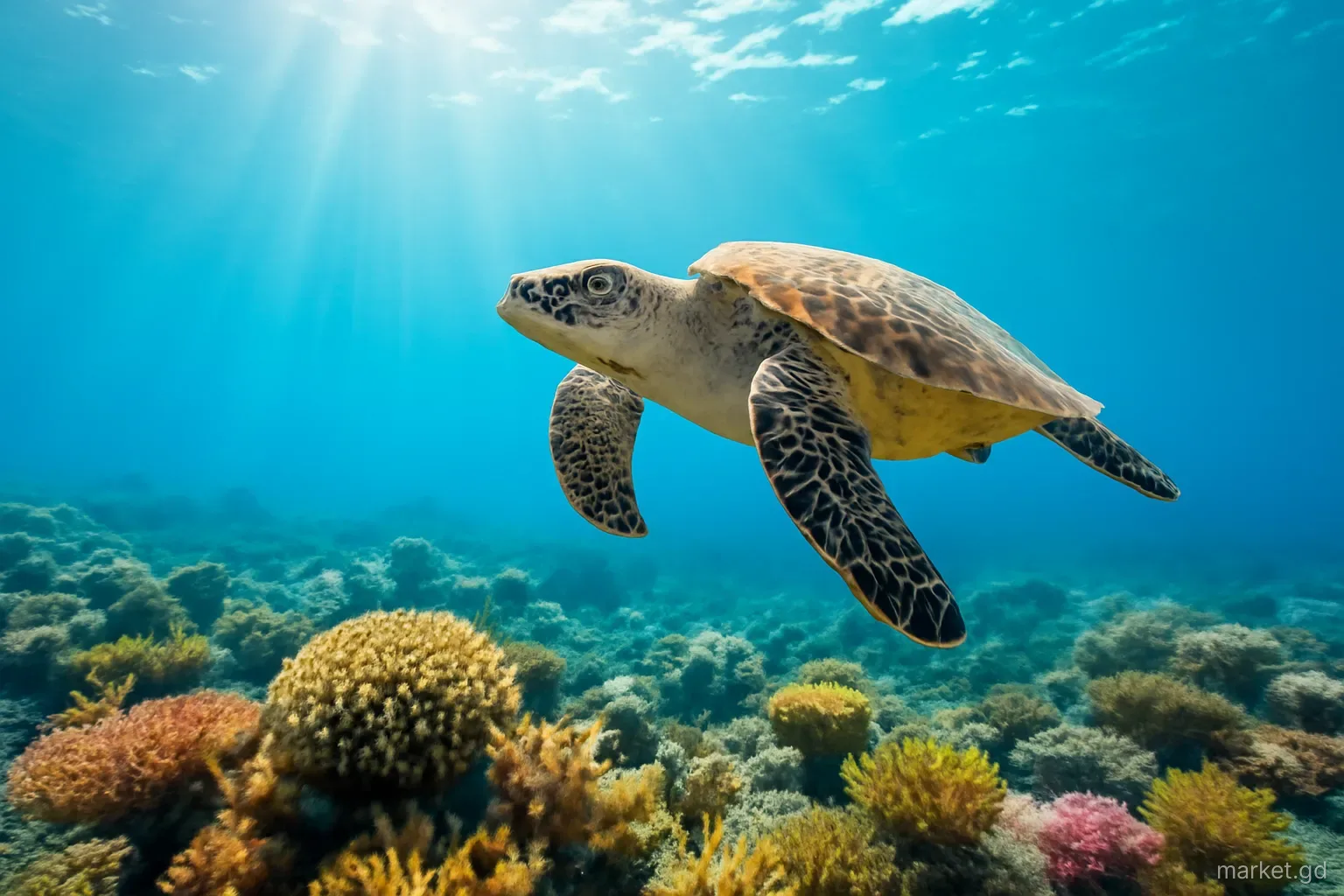
Turtle shell. Hawksbill shell, sometimes sold as tortoiseshell combs, bracelets or earrings, comes from a critically endangered species listed in CITES Appendix I. Importing it is prohibited in the US, UK, EU and many other countries. Turtle products of any kind, including oil, are best avoided.
Queen conch shells. Lambi, as conch is called in Grenada, is a popular food and its shells are sometimes sold. Queen conch is listed in CITES Appendix II, and import rules for shells differ between countries; some allow a small number as personal effects, others require permits. Check before buying.
Other shells from protected areas. Collecting shells, live animals or coral inside marine protected areas is not allowed. Even outside them, taking shells that contain living animals is harmful.
Less obvious problems
Several items look innocent but can cause difficulties at the border or at home:
- Seed jewellery with rosary pea. Small, glossy red seeds with a black spot, sometimes called jumbie beads, come from a plant whose seeds are highly toxic if chewed or broken. They are a hazard around children and some countries restrict them. Other local seeds are fine.
- Fresh fruit, plants, cuttings and seeds for planting. Agricultural rules in most countries prohibit or tightly control these. A mango or a nutmeg seedling in hand luggage is a common cause of fines.
- Sand and pebbles. Beach sand removal is restricted in Grenada because of coastal erosion, and many countries also restrict imported soil and sand.
- Amerindian artefacts. Grenada has many pre-Columbian sites. Pottery fragments, stone tools or anything presented as an ancient object are protected heritage and should not be bought or removed.
- Feathers and wildlife parts. Bird feathers, animal skins and items made from wild animals can fall under wildlife law in your home country.
- Overproof rum. Not a wildlife issue, but airlines prohibit alcohol over 70 per cent ABV, and some Caribbean overproof rums are close to or above that. Check the bottle before packing it.
- Counterfeit branded goods. Fake designer items are seized by customs in many countries regardless of where they were bought.
How to say no without offence
Vendors offering coral or turtle shell are usually trying to make a living, not deliberately breaking laws, and many are unaware of rules at the visitor's end. A polite, simple explanation works better than a lecture: customs at home will take it, so it is not worth buying. Then show interest in something else on the table, if there is anything you like.
Beach vendors at Grand Anse and elsewhere are generally used to being turned down. A clear "no thank you" with a smile is enough. If someone persists, it is fine to walk on. Grenada does not have the aggressive hard-sell culture of some larger destinations, but persistence varies from person to person and from day to day.
If you see marine life being sold in a way that appears to break the law, the Fisheries Division is the government body responsible for fisheries management, and protected-area staff can be informed. Visitors are not expected to police the market, though, and a refusal to buy is the most useful contribution most people can make.
Checking the rules before you fly
Rules differ by destination and change over time, so a quick check before buying anything from the sea or the forest saves trouble:
- Identify what the item is made of. If the vendor cannot say, assume it may be a protected material and leave it.
- Look up your home country's wildlife import guidance: for example US Fish and Wildlife Service rules in the United States, or the relevant environment and border agencies in the UK, EU member states and Canada.
- Check agricultural rules separately. Food, seeds, plants, soil and untreated wood are usually handled by a different agency from wildlife.
- For anything that genuinely requires a CITES permit, ask the seller whether they can provide one. If not, do not buy it.
- Keep receipts for any natural-material item you do buy, and declare it on arrival if the form asks about animal or plant products.
- When in doubt, choose a different souvenir. Very few holiday purchases are worth a confiscation and a fine at the airport.
Better alternatives
There are plenty of souvenirs with the same sense of place and none of the problems:
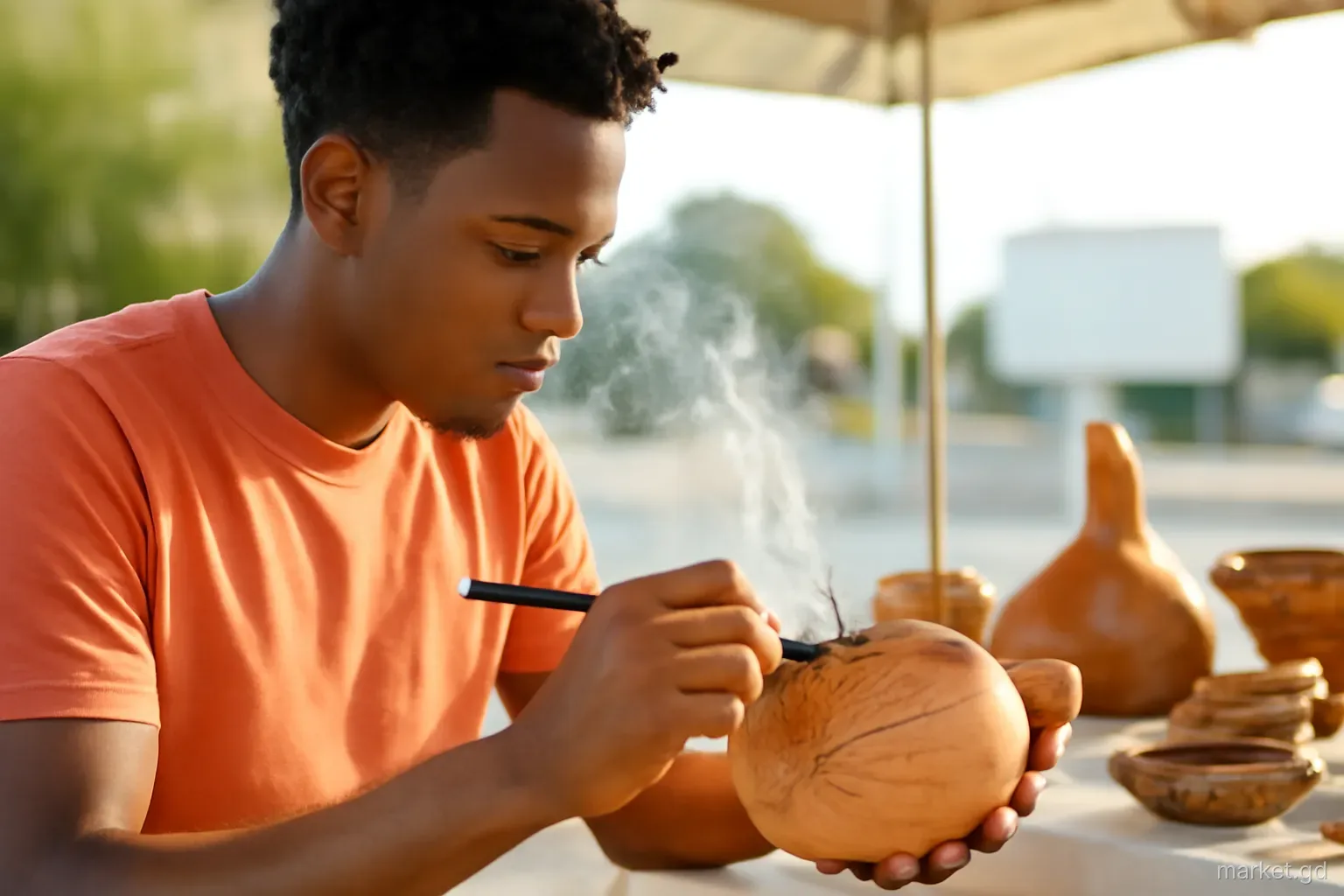
- Jewellery made from local seeds other than rosary pea, from calabash, coconut shell or from recycled materials.
- Prints, paintings and photographs of marine life by local artists, which show turtles and reefs without harming them.
- Batik and hand-painted fabric with ocean motifs.
- Carved wooden turtles and fish from local timber, clearly finished and dried.
- Grenadian chocolate and dried spices in sealed packets, which travel well and are generally allowed if declared.
- A donation to, or merchandise from, local conservation and turtle-monitoring groups, where available, which supports the animals the forbidden souvenirs come from.
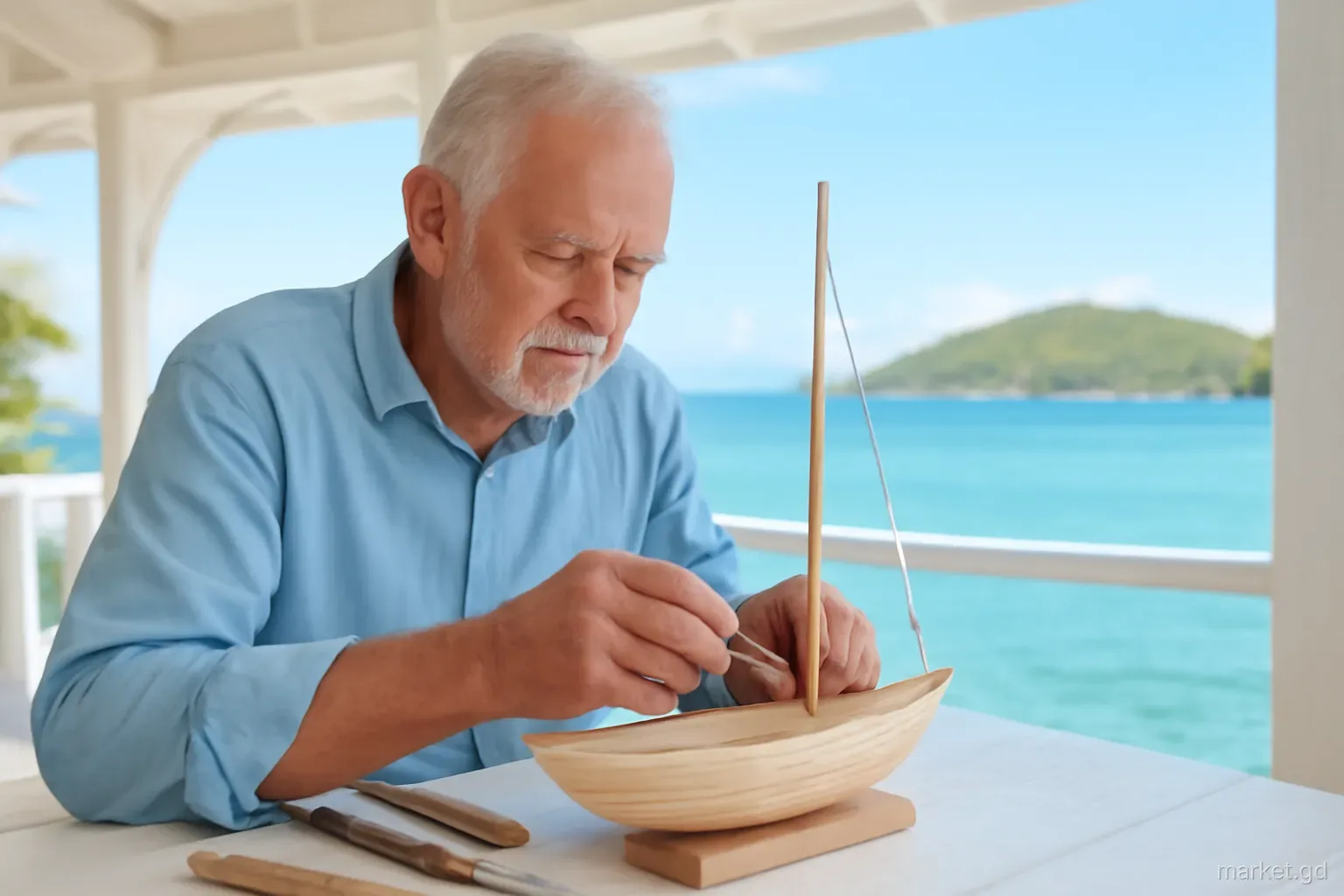
- A Carriacou model boat or a woven basket, both rooted in island skills and made from materials that raise few questions at the border.
- Underwater photographs of your own from a snorkel or dive trip, which cost nothing extra and record the reef as it really is.
Frequently asked questions
Is it legal to buy black coral jewellery in Grenada?
Black coral is protected internationally under CITES, and exporting it requires permits that sellers rarely have. Most visitors' home countries will seize black coral without CITES documents, so it is best not to buy it at all.
Can you take a conch shell home from Grenada?
Queen conch is listed under CITES Appendix II, and rules for importing shells differ by country. Some allow a few shells as personal effects, others require permits. Check your home country's wildlife import rules before buying or packing one.
What are jumbie beads and are they safe?
The name is used for more than one red seed in the Caribbean. The dangerous one is the rosary pea, glossy red with a black spot, which is highly toxic if broken or chewed. It is a risk to children and pets and restricted in some countries, so choose other seeds.
Is it allowed to collect shells on Grenada's beaches?
Taking shells, coral or marine life inside marine protected areas is prohibited. Elsewhere, never take shells that contain living animals, and remember that your home country may restrict shells and sand on arrival.
What happens if customs finds a prohibited souvenir?
At minimum the item is confiscated. Depending on the country and the species, you may face a fine or further action. Declaring items honestly usually leads to a better outcome than trying to bring them through undeclared.