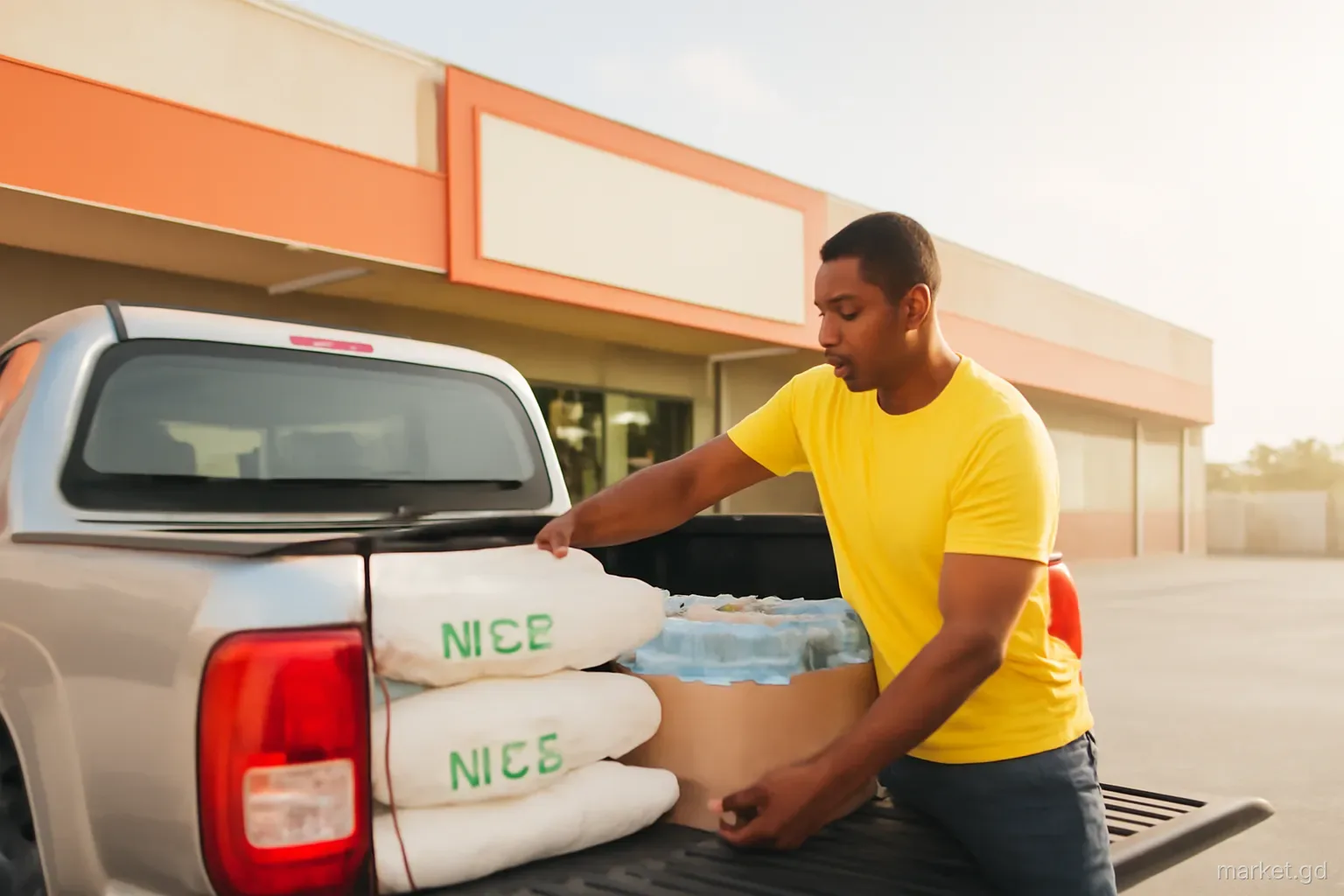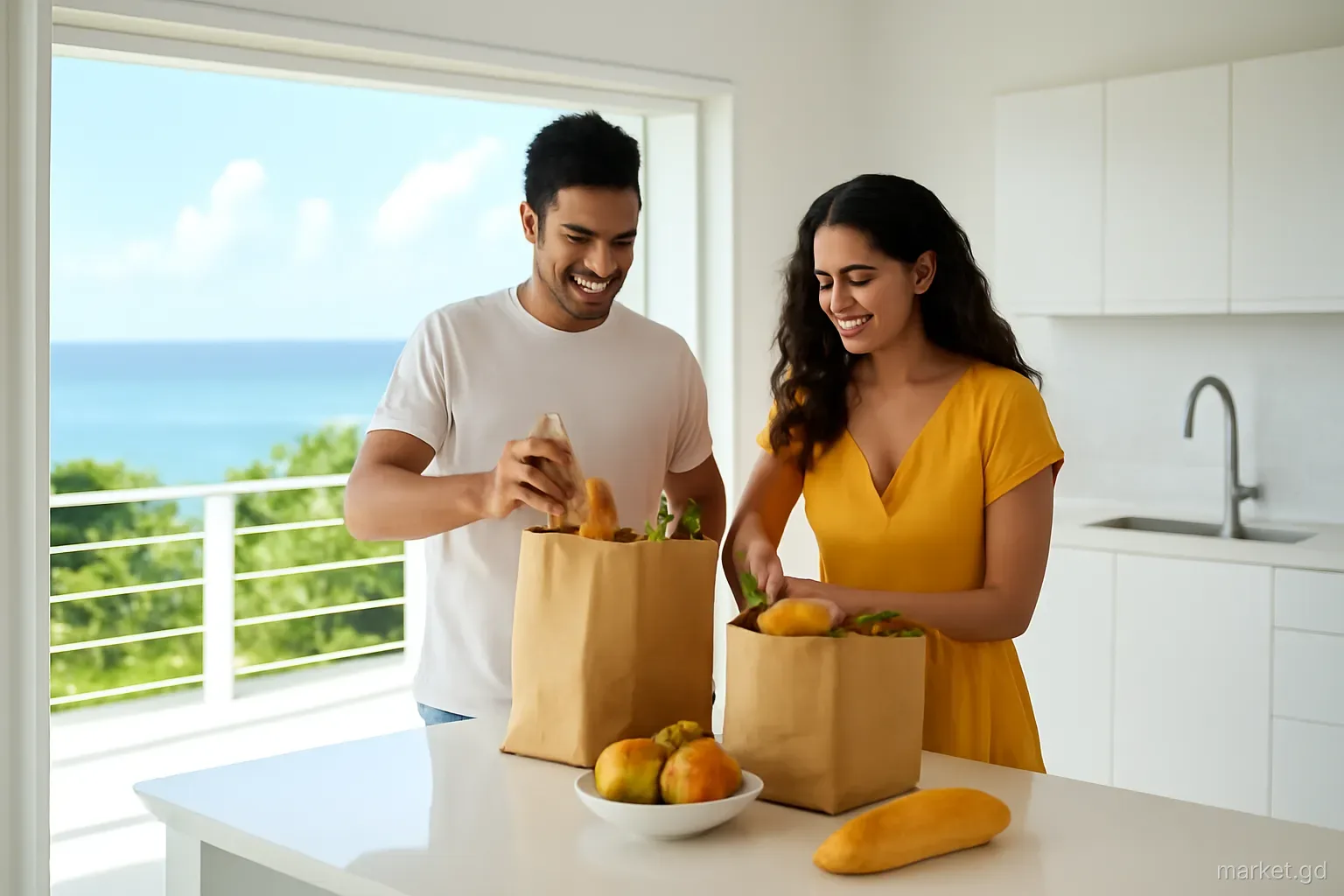
Arriving at a villa or apartment in Grenada after a long flight, the last thing anyone wants is to discover there is no coffee, no water and nothing for breakfast. A well-planned first grocery run solves that and sets up the week. It also saves money: self-catering visitors who shop smartly can eat very well for far less than the cost of eating out every meal.
This checklist covers what to buy on arrival, what is worth bringing from home, where to shop depending on where you are staying and how to stock a holiday kitchen without waste. It is written for a typical week-long stay but scales easily.
Plan the first shop before you land
A little planning in advance makes the first shop faster and avoids a second trip the next morning.
- Ask your host what the kitchen has. Many villas provide salt, pepper, oil, coffee filters, dish soap and basic spices; others provide nothing. Knowing in advance prevents buying duplicates.
- Check the route from the airport. Maurice Bishop International Airport is in the south-west, a short drive from the main supermarkets around Grand Anse. If you are staying in the north or east, a stop in the south on the way may be your best chance at a large supermarket.
- Ask your taxi or car hire about a stop. Many taxi drivers will wait while you shop for an agreed fee. Agree it before you set off.
- Write a short list. Focus on the first two days: breakfast, water, a simple dinner and essentials. Do the bigger shop once you have settled in.
- Check arrival time against shop hours. Late-evening and Sunday arrivals may find some stores closed or closing. Ask your host to stock a few basics if you arrive late.
The arrival-day essentials
This is the core list for the first twenty-four hours, assuming a basic kitchen.
- Drinking water: bottled water in large containers is widely available. Tap water in Grenada is treated, and many residents drink it, but some visitors prefer bottled or filtered water, especially in older buildings or after storms. Ask your host.
- Coffee or tea, milk (fresh, UHT or powdered) and sugar.
- Bread or bakes from a bakery or supermarket, butter or spread and something to put on it: cheese, eggs, jam or peanut butter.
- Local fruit: bananas, papaya, mangoes or whatever is in season.
- Eggs, which are local, good value and versatile.
- A simple dinner: pasta and sauce, rice with fish or chicken, or ready-made items from a supermarket deli.
- Snacks and drinks for the first evening: juice, soft drinks, local beer or rum.
- Toilet paper, kitchen roll, dish soap and a sponge if not supplied.
- Insect repellent and sunscreen if you did not pack them.
What to bring from home
Sunscreen and insect repellent. Both are available in Grenada, but often at higher prices than at home, and your preferred brand may not be stocked. Reef-safe sunscreen in particular can be hard to find.
Speciality foods. If you rely on particular gluten-free products, baby formula, protein powders or dietary items, bring a supply for at least the first few days.
Medications. Bring enough prescription medication for your whole stay, in original packaging.
Good coffee. Coffee is sold in supermarkets, but serious coffee drinkers often bring their favourite beans or ground coffee.
Reusable bags. Grenada has laws restricting single-use plastics, and a couple of sturdy reusable bags make shopping easier.
What not to bring. Fresh meat, dairy, fruit, vegetables, plants and seeds are restricted or prohibited by agricultural import rules. Buy those locally.
Where to shop depending on where you stay
If you are staying around Grand Anse, Morne Rouge, True Blue, Lance aux Epines or St George's, you are close to the largest supermarkets, including those in the Spiceland Mall at Grand Anse and on Lagoon Road. Market Square in St George's is a short drive or bus ride away for fresh produce, and the fish market on Melville Street for fresh fish.
In the north or east, around Sauteurs, Grenville or the villages of St Andrew and St Patrick, the nearest large supermarket may be in Grenville or a drive away in the south. Village shops cover basics, and roadside vendors sell local fruit and vegetables. Doing a large shop on the way from the airport makes sense. Ask your host which nearby shop bakes or receives fresh bread each morning and which roadside stall the neighbours use for fruit; that local knowledge is worth more than any store directory.
On Carriacou, supermarkets and shops are smaller and are supplied by boat from Grenada. Range is narrower, and some items may be unavailable for a few days. Following Hurricane Beryl in 2024, check which shops are operating before you arrive and bring any essentials you cannot do without.
The bigger shop: stocking the week
Once settled, a larger shop covers the rest of the stay. Mixing supermarket and market keeps costs down and food fresh.
- From the market or roadside: local fruit, salad vegetables, tomatoes, cucumbers, sweet peppers, herbs, limes, ground provisions such as sweet potato and breadfruit, fresh spices like nutmeg and cinnamon.
- From the fish market: tuna, dolphin, snapper or jacks for grilling or frying.
- From the supermarket: rice, pasta, flour, cooking oil, condiments, cheese, yoghurt, butter, cereal, frozen chicken or meat, cleaning supplies, toiletries and drinks.
- From a bakery: fresh bread, coconut bread, salt bread, rolls and pastries.
- Treats: Grenadian chocolate, local hot sauce, nutmeg jam or syrup and local rum, which make good holiday food and souvenirs.
- For the beach: a bag of ice, a cheap cooler if the villa lacks one, and plenty of water. Ice from a supermarket or petrol station keeps drinks and fish cold on day trips.
Easy meals from a Grenadian shop
Grilled fish with provisions. Season tuna or dolphin steaks with lime, garlic and a little hot pepper, grill or pan-fry, and serve with boiled sweet potato or roasted breadfruit and a cucumber and tomato salad.
Fried jacks and bakes. Score and season a bunch of jacks, fry them crisp and eat with fried bakes made from flour, baking powder, salt and water. A cheap, filling Grenadian classic.
Curry chicken and rice. Local curry powder, onion, garlic, thyme and chicken pieces simmered until tender, served with rice and a squeeze of lime. Supermarkets sell all the ingredients.
Fruit breakfasts. Papaya with lime, sliced mango, bananas and local bread with nutmeg jam cover breakfast for days with no cooking.
Roti night off. On a lazy evening, buy rotis from a local roti shop rather than cooking. Good value and an authentic taste of everyday Grenadian food.
Mistakes self-caterers make
The most common is overbuying on the first shop. Grenadian supermarkets are well stocked, and buying a week's worth of perishables on day one leads to waste. Shop for two or three days, then top up.
Another is relying entirely on imported favourites. Imported salad leaves, berries and cheeses are expensive and often tired. Local fruit, vegetables and fish are fresher and cheaper and make for better holiday meals.
Some visitors also underestimate the heat. Chocolate, butter and anything chilled will suffer if left in a parked car while you stop for lunch. Make the supermarket the last stop before home, not the first stop of a day out. A folding cool bag in the boot solves the problem for little cost.
A third is forgetting that kitchens vary. Some villas have excellent equipment; others have one blunt knife and a single pan. Check before planning an elaborate meal. Finally, remember that cash is still important for markets, roadside vendors and some small shops, even though supermarkets accept cards.
Frequently asked questions
Can you drink tap water in Grenada?
Tap water in Grenada is treated and many residents drink it. Some visitors prefer bottled or filtered water, especially in older buildings, after heavy rain or after storms when supply can be disrupted. Ask your host about the water at your accommodation.
Where is the nearest supermarket to the airport in Grenada?
The largest supermarkets near Maurice Bishop International Airport are around Grand Anse, including the Spiceland Mall, a short drive away. Stores on Lagoon Road near St George's are also close. Ask your driver to stop on the way to your accommodation.
Is self-catering in Grenada cheaper than eating out?
Generally yes, especially if you buy local produce and fish rather than imported goods. Restaurant meals in tourist areas can be expensive. Combining self-catering with occasional meals at local spots such as roti shops gives good value and variety.
What should be brought from home for a self-catering holiday?
Sunscreen, insect repellent, prescription medications, any speciality dietary foods and reusable bags. Good coffee is optional. Do not bring fresh meat, dairy, fruit, vegetables or plants, which are restricted by agricultural import rules.
Do Grenada supermarkets take US dollars?
Many larger stores accept US dollars at or close to the fixed rate of EC$2.70 to US$1, but change usually comes in EC dollars, and smaller shops may not accept them. Cards are widely accepted at supermarkets. Carry EC dollars for markets and small shops.
Can groceries be delivered to a villa in Grenada?
Some supermarkets and private services offer ordering and delivery, and some villa managers arrange a pre-arrival grocery stock-up for a fee. Availability and terms vary, so ask your host or check with the supermarket before you travel.