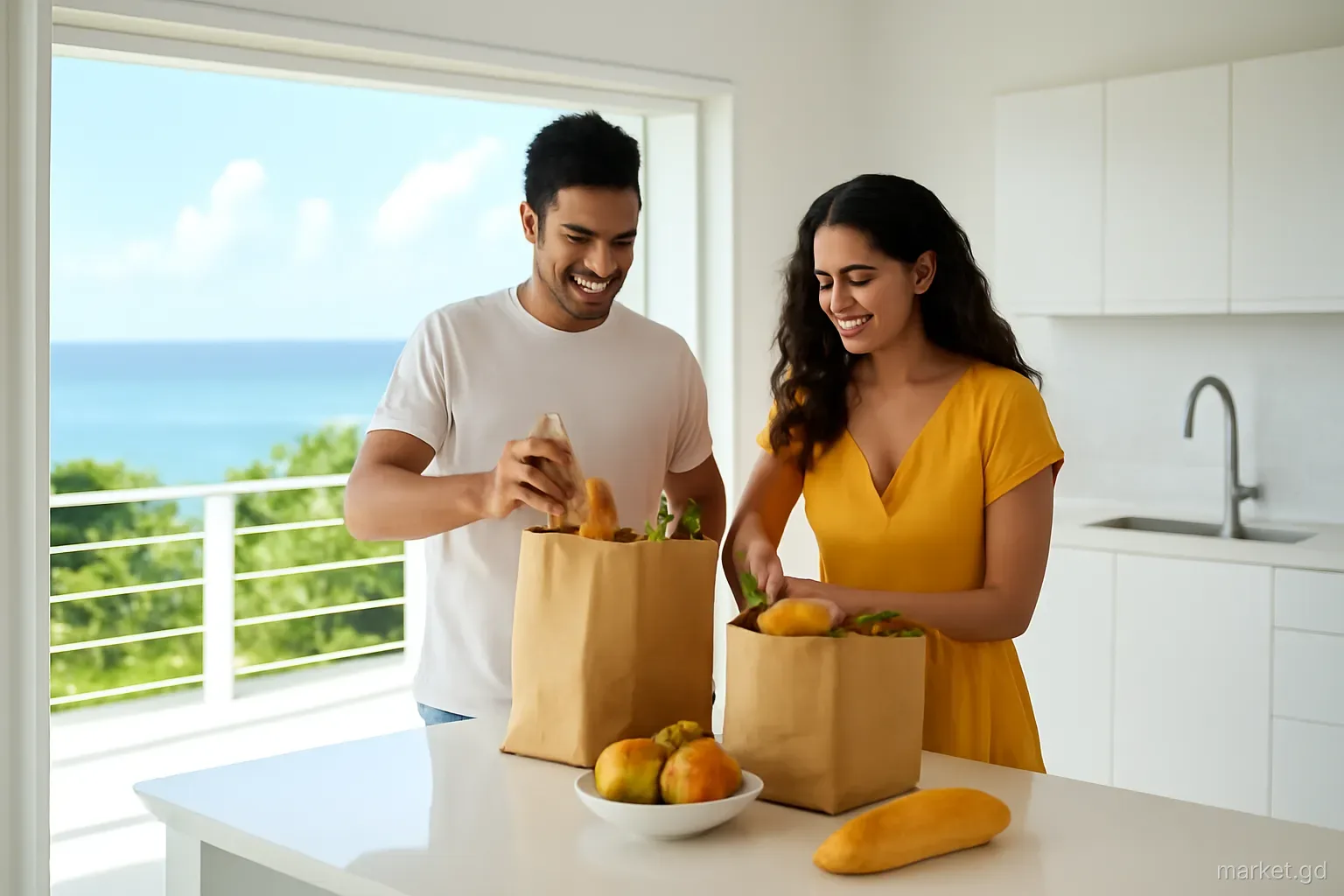
In many Grenadian households, the monthly shop includes a sack of rice, a case of tinned milk, a gallon of cooking oil and a stack of toilet paper bought in one go. Buying in bulk is an old habit here, shaped by large families, payday cycles, unreliable shipping and the memory of shortages after hurricanes. Done well, it saves real money. Done badly, it fills the cupboard with weevil-ridden flour and expired tins.
This guide looks at which groceries are genuinely cheaper in bulk, where to buy them, how to store them in Grenada's heat and humidity and when bulk buying is a false economy. It is aimed at residents and long-stay visitors, though the principles apply to anyone stocking a kitchen.
Why bulk buying makes sense in Grenada
The case for bulk buying is stronger in Grenada than in many larger countries. Imported staples carry freight costs, and suppliers and retailers often price larger packs and cases more keenly per unit than single items. Prices of imported goods can also rise suddenly when freight costs spike or supply is disrupted, so buying ahead locks in the current price.
Supply is another factor. When a shipment is delayed or a product sells out, it may be weeks before it reappears. Households that buy their staples in bulk are less exposed to those gaps. During hurricane season, from June to November, having a stock of non-perishables is also part of basic preparedness.
Finally, many Grenadians are paid monthly, and buying the main staples on payday, then topping up with fresh food through the month, is a common way to manage a budget. For large families, the per-unit savings on rice, flour and oil add up over a year.
What is worth buying in bulk
Rice. Sold in large sacks as well as smaller bags. Rice keeps well if stored dry and sealed, and large households go through it quickly.
Flour, sugar and cornmeal. Cheaper per pound in larger bags, but more vulnerable to insects and humidity. Buy bulk only if you will use it within a couple of months or can store it well.
Cooking oil. Gallon containers are usually cheaper per litre than small bottles. Oil keeps for months if stored away from heat and light.
Tinned goods. Tinned fish, corned beef, beans, tomatoes and evaporated or condensed milk keep for a long time and are often sold by the case at a discount.
Bottled water and drinks. Cases of water, soft drinks and beer are cheaper per bottle than singles. Water in particular is worth keeping in quantity during hurricane season.
Paper and cleaning goods. Toilet paper, kitchen roll, detergent, bleach and dish soap are non-perishable and often much cheaper in large packs.
Frozen chicken and meat. Larger boxes of frozen chicken parts are a common bulk buy, but only if you have reliable freezer space and backup in case of power cuts.
Where to buy in bulk
Large supermarkets sell many staples in bigger packs and sometimes discount by the case, especially for drinks and paper goods. Some stores in Grenada position themselves as value or bulk outlets, selling larger sizes and cases at lower margins, and a number of wholesalers and distributors supply shops and businesses. Some of these sell to the public, sometimes with a minimum purchase; others deal only with registered businesses. Ask around locally, as the landscape changes.
Markets and farmers can offer bulk deals on local produce in season, such as a large bunch of green bananas, a crate of mangoes or a sack of sweet potatoes, which are worth considering if you can use or preserve them. Fishers and vendors may give a better price for a whole fish or a large quantity.
Clubbing together with family, friends or neighbours is a common way to buy in bulk without overstocking. Splitting a case or a sack shares the saving and reduces waste.
A typical monthly bulk list
Households differ, but a common pattern for a family of four or five in Grenada looks something like this, bought around payday and topped up with fresh food through the month.
- One large sack or several bags of rice, plus a bag of flour for bakes and dumplings.
- A gallon of cooking oil and a bag or two of sugar.
- A case of evaporated or condensed milk, or a large tin of milk powder.
- A dozen or more tins of fish, corned beef, beans and tomato paste.
- Dried lentils, split peas and red beans, which keep well and stretch meals.
- A box of frozen chicken parts, portioned into freezer bags on arrival.
- A large pack of toilet paper, detergent, bleach and dish soap.
- Cases of water and drinks, increased during hurricane season.
- Seasonings in larger jars: curry powder, salt, black pepper and bottled green seasoning.
Storing bulk food in the heat
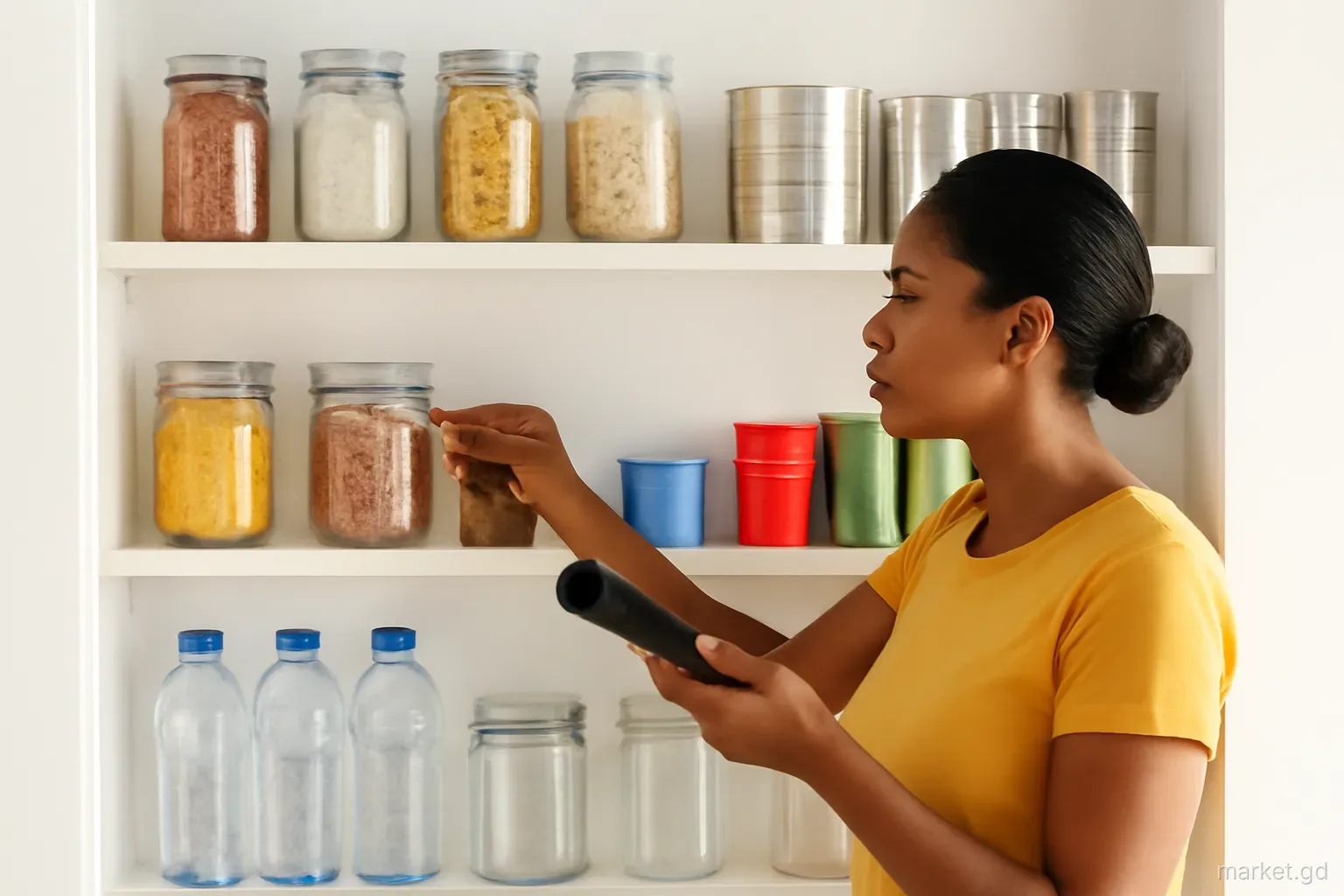
Grenada's climate is hard on stored food. Heat, humidity, ants, cockroaches and weevils all target pantries. These steps protect your investment.
- Transfer dry goods to airtight containers. Rice, flour, sugar and cornmeal keep far better in sealed plastic tubs or glass jars than in their original bags.
- Freeze flour and grains briefly. Some households freeze new flour or rice for a few days to kill any insect eggs before storing it.
- Keep stores cool, dry and off the floor. Use shelves away from outside walls, stoves and direct sunlight, and raise containers above floor level.
- Rotate stock. Use the oldest items first and put new purchases at the back.
- Check tins regularly. Discard any that are swollen, badly dented on the seam, rusty or leaking.
- Seal open packs immediately. Ants find opened sugar within hours. Clip, tie or decant.
- Protect the freezer. If you rely on a freezer full of bulk meat, consider a generator or a plan for power cuts, especially in hurricane season.
When bulk buying is a false economy
Not every big pack is a bargain. Bulk buying costs money in these situations.
- When you will not use it before it spoils or gets infested, particularly flour, cereal and anything opened.
- When the per-unit price is not actually lower. Always compare. Promotions on smaller packs can beat bulk prices.
- When storage is poor. A sack of rice in a damp cupboard is a sack of rice for the weevils.
- When freezer space or power is unreliable. A power cut can ruin a large stock of frozen meat.
- When it ties up cash you need for other things. Bulk buying only helps a budget if the money is available without strain.
- When the product is something you have not tried. Buy a single first to make sure you like it.
Mistakes people make
The most common mistake is buying too much of perishable or semi-perishable items. Flour, oats and cereal can become infested within weeks in Grenada's humidity, and large packs of cheese or meat need reliable refrigeration. Buy bulk on genuinely long-life goods first.
Another is ignoring dates. Bulk packs on promotion are sometimes near their best-before date. Check before buying and calculate whether you can use them in time.
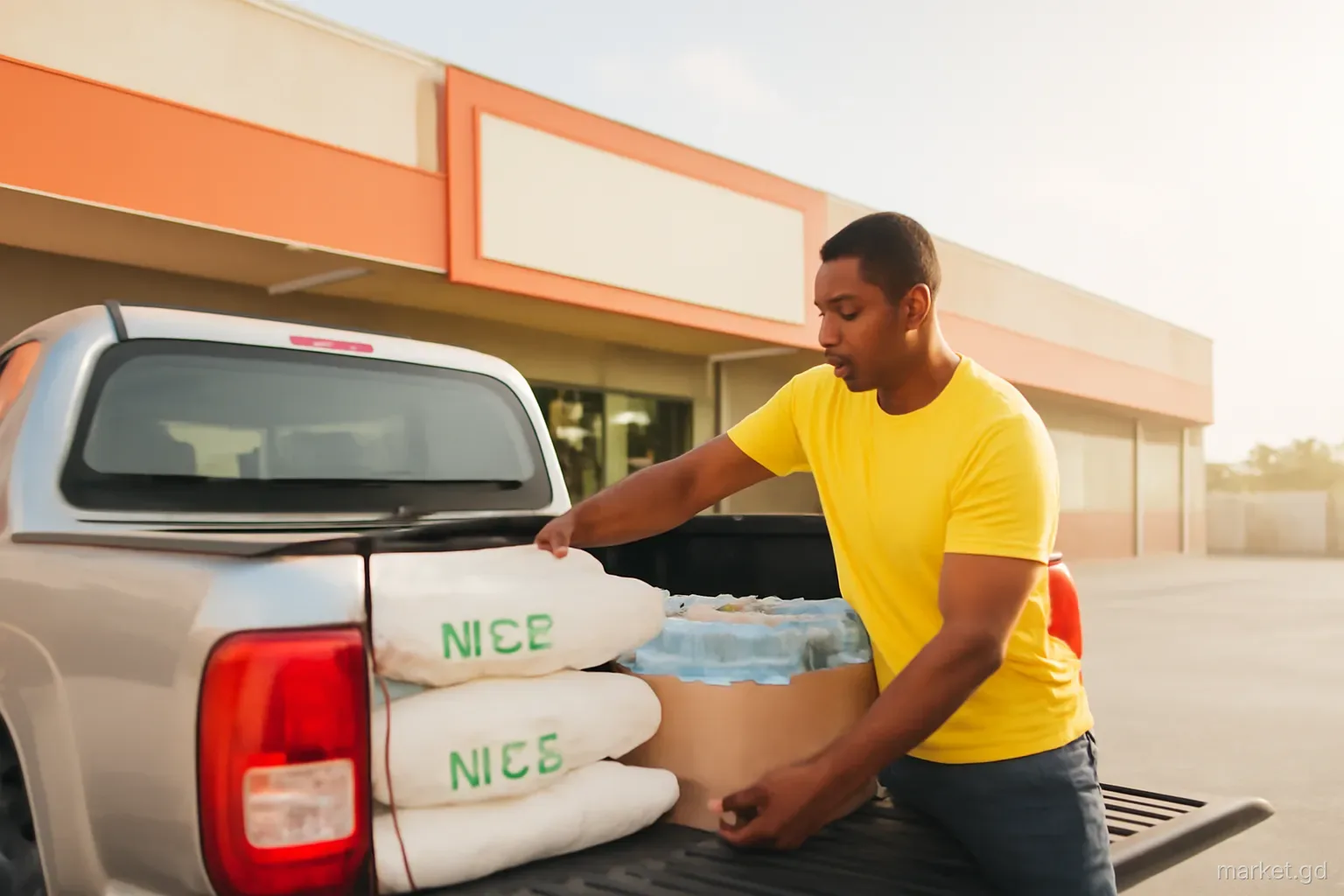
A third is failing to compare. Assume nothing: work out the price per unit and compare it across stores and pack sizes. Finally, people sometimes forget transport. A sack of rice, several cases of water and a gallon of oil are heavy. Without a car, arrange a lift or delivery, or buy in smaller lots more often.
It is also easy to forget that bulk stock needs space. In a small apartment or a holiday rental, a cupboard full of cases leaves no room for anything else. Match the size of the stock to the size of the home and the length of the stay, and remember that whatever is left when you move or leave the island will need to be given away or carried.
Frequently asked questions
Is it cheaper to buy groceries in bulk in Grenada?
Often, for long-life staples such as rice, cooking oil, tinned goods, water, toilet paper and cleaning products. Compare the price per unit, though, as bulk is not always cheaper. Buying perishables in bulk can be a false economy if they spoil.
Where can bulk groceries be bought in Grenada?
Large supermarkets sell bigger packs and cases, and some stores market themselves as value or bulk outlets. Some wholesalers sell to the public, sometimes with a minimum purchase. Ask locally, as options change, and consider splitting bulk buys with friends.
How do you stop weevils in rice and flour?
Transfer rice and flour to airtight containers as soon as you buy them, store them in a cool, dry place off the floor, and use older stock first. Some households freeze new flour or rice for a few days to kill any insect eggs.
Should bulk food be bought for hurricane season?
Yes, a sensible stock of non-perishables is part of hurricane preparedness. Buy water, tinned food, dry goods and essentials before the season peaks, ideally by early August, and rotate them so nothing goes out of date unused.
Is buying frozen meat in bulk a good idea in Grenada?
Only if you have reliable freezer space and a plan for power cuts. Boxes of frozen chicken can be good value, but a long outage can ruin the whole stock. Freeze in meal-sized portions to limit losses.
Can households share bulk purchases?
Yes, and it is common. Splitting a sack of rice, a case of oil or a box of frozen chicken with family, friends or neighbours shares the saving, reduces waste and makes bulk buying work for smaller households.