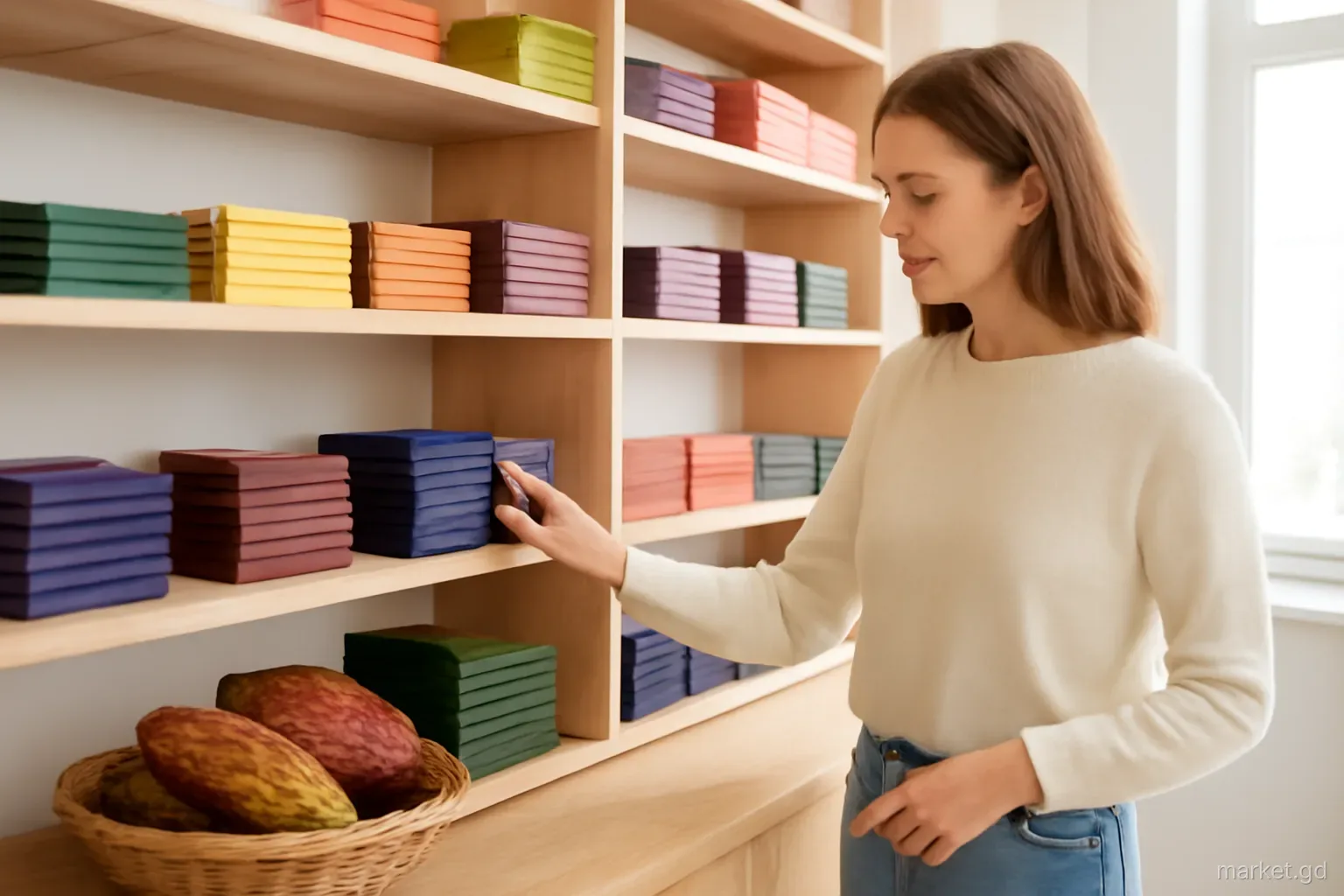
Visitors comparing shelves in a Grenadian supermarket often notice that a bar of locally made chocolate costs noticeably more than an imported bar of similar size from a global brand. The reaction is understandable. Grenada grows cocoa, so local chocolate might be expected to be cheaper, not dearer. The explanation lies in how cocoa is farmed on the island, what it costs to make chocolate in a small tropical economy, and what is happening in the world cocoa market.
This article walks through the chain from tree to shelf, explains where the money goes, and gives a sense of what a fair price reflects. It does not quote specific prices, which vary by maker, shop and year, and should be checked on the shelf. It is useful for anyone deciding whether Grenadian chocolate is worth paying more for, and for anyone curious about why small producers price as they do.
Small farms and hand labour
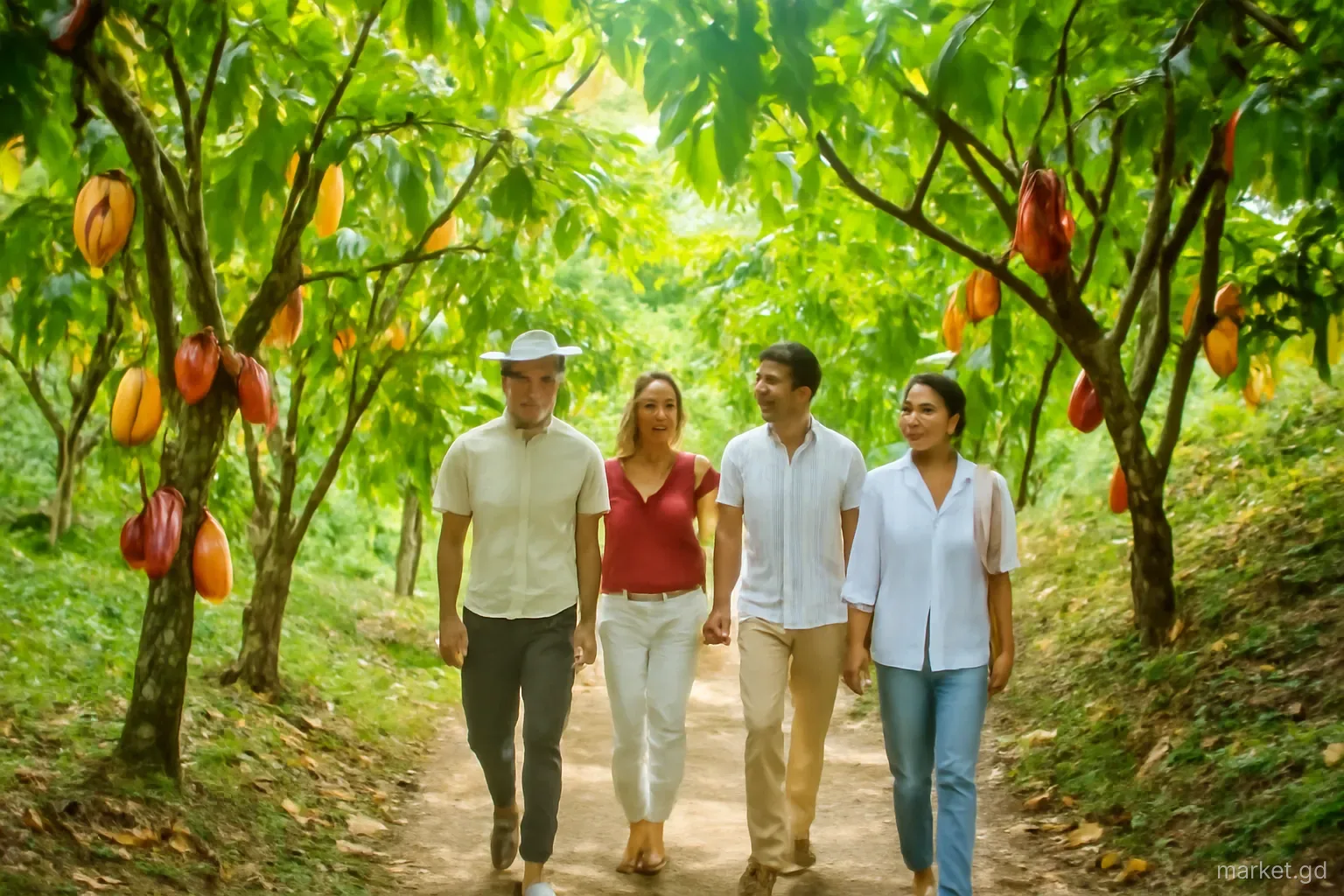
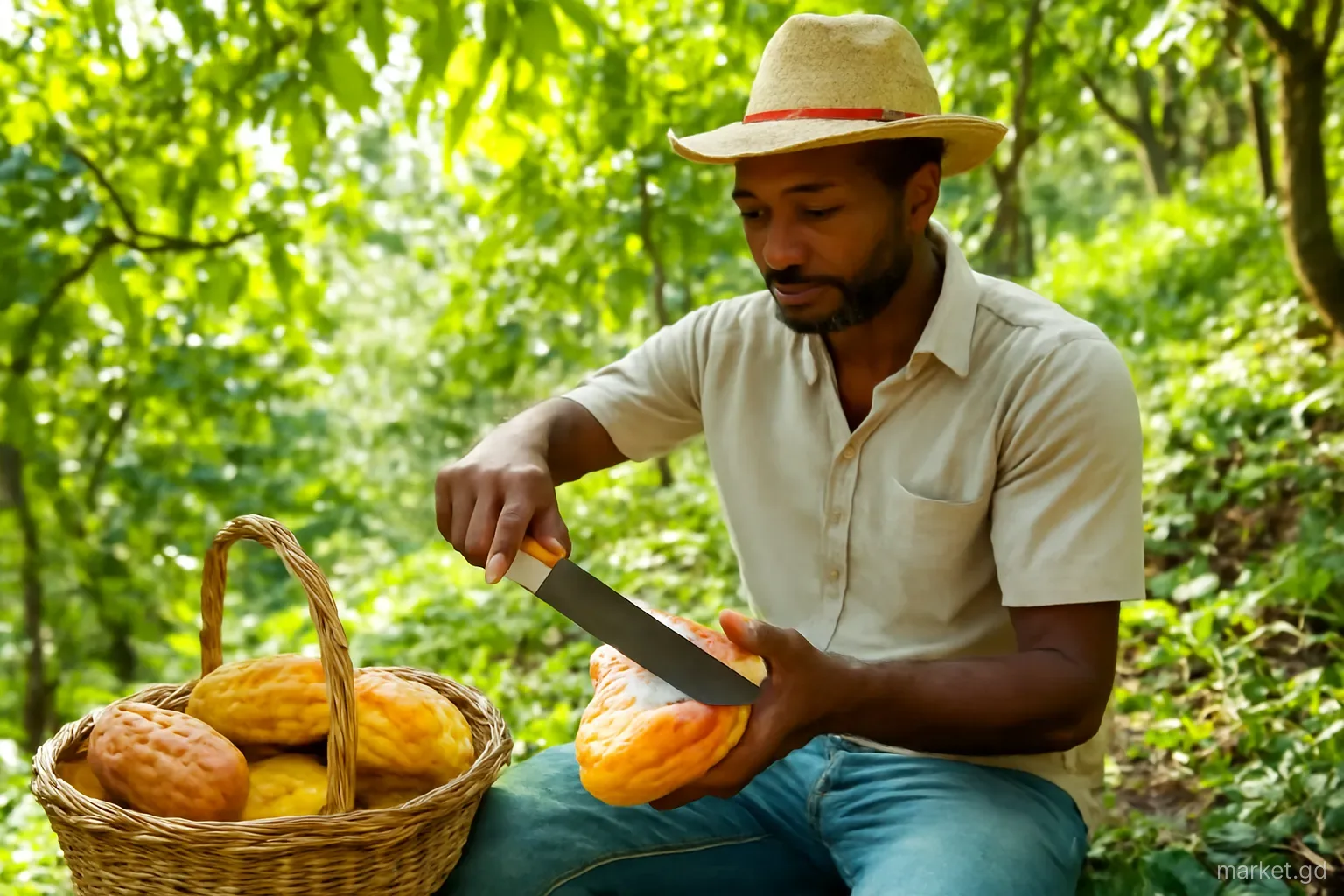
Grenadian cocoa is grown mostly by small farmers on hillside plots, often alongside nutmeg, bananas and other crops, plus a handful of larger estates. The terrain is steep and the plots are scattered. There is little room for machinery; pods are harvested by hand with cutlasses and long-handled knives, carried out in baskets or sacks, and opened by hand to remove the wet beans.
Yields per tree and per acre are modest compared with large plantations elsewhere. Many trees are old or were replanted after Hurricane Ivan, and disease, pests and storms reduce production. Farm wages and the cost of living in Grenada are much higher than in the main West African cocoa-producing countries, which supply most of the world's bulk cocoa.
All of this means each kilogram of Grenadian beans costs more to produce than bulk cocoa from large producing regions. Makers who pay farmers premiums for quality, organic practices or good fermentation pay more again.
There is also the question of who does the work. Cocoa farming in Grenada has an ageing workforce, and many young people prefer jobs in tourism, construction or overseas. Keeping farms productive means paying enough to make the work worthwhile, and that cost eventually appears in the price of chocolate made from those beans.
Post-harvest processing
Fermentation. Wet beans are fermented in wooden boxes for about a week, turned regularly. Fermentation develops flavour precursors and is essential for fine chocolate. It takes labour, space and skill.
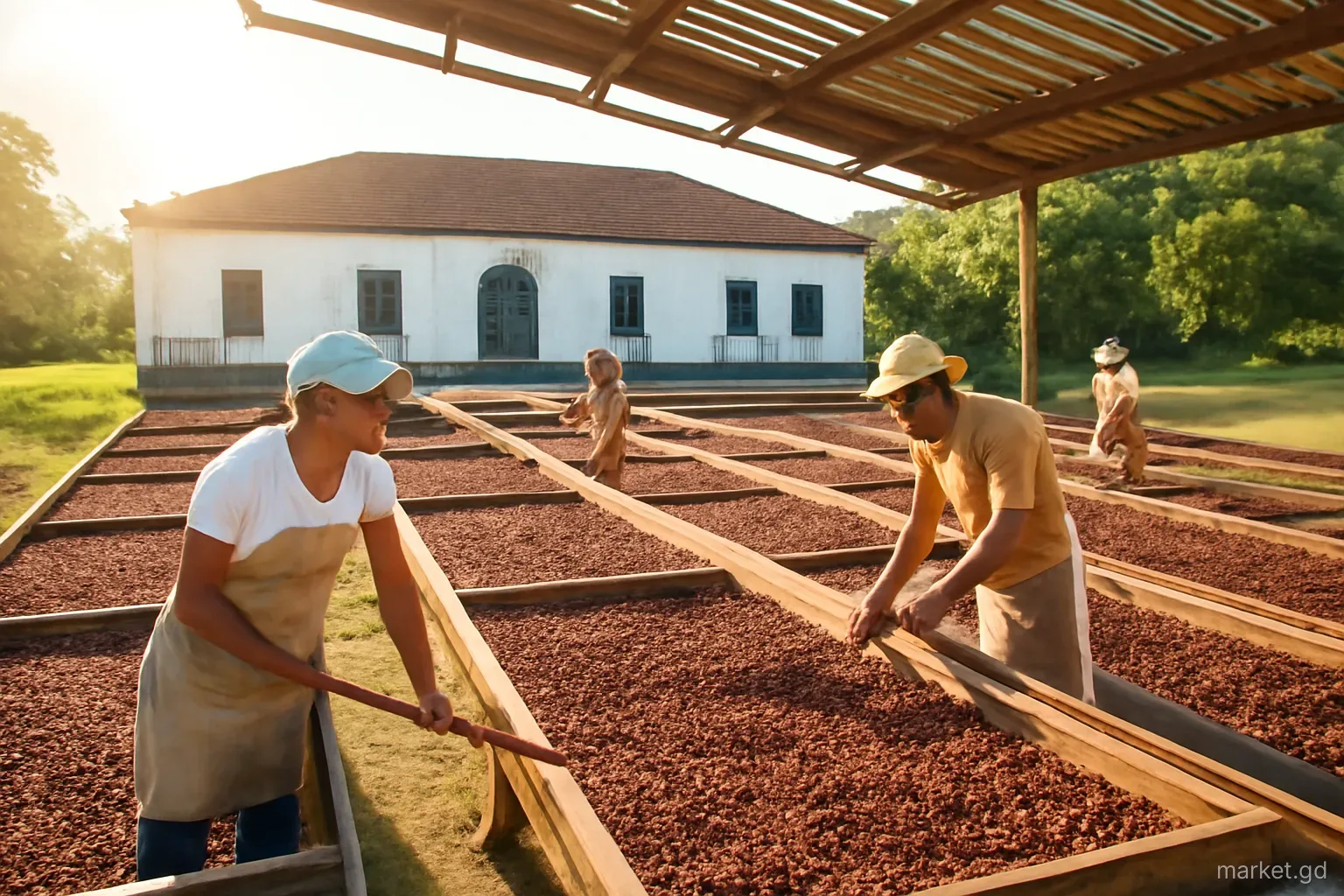
Drying. Beans are dried in the sun on large trays, often with sliding roofs to cover them when it rains. In wet weather drying takes longer and requires constant attention.
Sorting. Dried beans are sorted to remove broken, mouldy or flat beans. Fine chocolate makers want carefully sorted beans, which means more work and some loss of weight.
Quality losses. Poor fermentation or drying ruins flavour. Makers who insist on high quality reject some beans or pay more for those that meet their standards.
Small batches. Fermentaries handling small volumes do not benefit from economies of scale, so cost per kilogram is higher.
Making chocolate on a small island
Turning beans into chocolate involves roasting, cracking and winnowing, grinding, refining, conching, tempering and moulding. Each stage uses machinery that runs for hours. Electricity in Grenada is expensive by international standards, because much of it has historically been generated from imported diesel. Running grinders and conches for long periods and keeping production and storage rooms air-conditioned add significantly to costs.
Equipment itself is a major investment. Chocolate machinery is imported, and spare parts and technicians are far away. Breakdowns can stop production for weeks. Small makers often use older or adapted equipment, which may require more labour and maintenance.
Most other inputs are also imported. Sugar, packaging, foil, cardboard, labels and sometimes milk powder are brought in by sea, with freight, import duties and handling charges added. Small orders cost more per unit than the huge volumes global brands buy.
Scale: the biggest factor
Global chocolate brands produce on a scale small makers cannot approach. Scale shapes cost in several ways:
- Large factories run continuously, spreading the cost of equipment and staff over enormous volumes.
- Big buyers negotiate low prices for beans, sugar, milk and packaging.
- Mass-market recipes use more sugar and milk and less cocoa, and sugar is cheaper than fine cocoa.
- Large brands use cheaper bulk cocoa and blend beans from many origins.
- Distribution through supermarkets and global logistics keeps transport cost per bar low.
- Small Grenadian makers produce in small batches, buy inputs in small quantities and use more expensive fine-flavour beans, so their cost per bar is inevitably higher.
- A mass-market bar and a Grenadian craft bar are therefore different products, not cheap and expensive versions of the same thing.
Where the money in a bar goes
Every maker's costs are different, and none publishes a breakdown, but the price of a Grenadian craft bar broadly has to cover the following:
- The beans. Fine-flavour cocoa bought from local farmers, often at a premium, or grown on the maker's own estate at real cost.
- Processing labour. Fermenting, drying, sorting, roasting, winnowing, refining, tempering, moulding and wrapping, much of it done by hand in small operations.
- Energy. Long machine runs and air-conditioned rooms, paid for at island electricity rates.
- Imported inputs. Sugar, cocoa butter in some cases, packaging and foil, plus freight and duties.
- Equipment. Purchase, repair and replacement of machinery that is costly to import and maintain.
- Retail margin. Shops, hotels and the airport add their own margin, which is why the same bar can cost different amounts in different places.
- Losses. Bars that bloom, break or pass their best in the heat, and bean batches that do not meet standard.
The world cocoa market
World cocoa prices are set on international commodity exchanges and are driven largely by harvests in West Africa, especially Côte d'Ivoire and Ghana. In 2024, poor harvests in that region, linked to weather and disease, pushed cocoa prices to record highs, far above their long-term average. Chocolate makers around the world raised prices or reduced bar sizes as a result.
Fine-flavour cocoa from origins such as Grenada is often sold at a premium above the bulk price, through direct relationships or specialist buyers. When world prices rise, the premium structure can shift, and makers who buy local beans may face higher costs too. Exchange rates matter less in Grenada because the EC dollar is pegged to the US dollar at EC$2.70 to US$1.
For visitors, the practical point is that chocolate prices everywhere moved upwards in recent years, and the gap between Grenadian craft bars and mass-market chocolate reflects real differences in cost, not just branding.
Getting good value
Paying more does not have to mean paying too much. A few habits help visitors get good value:
- Compare price by weight. Grenadian bars vary in size, and a smaller bar can look cheaper but cost more per gram.
- Buy from producers' shops or estates when visiting, where stock is fresh and prices may be lower than in hotel shops or at the airport.
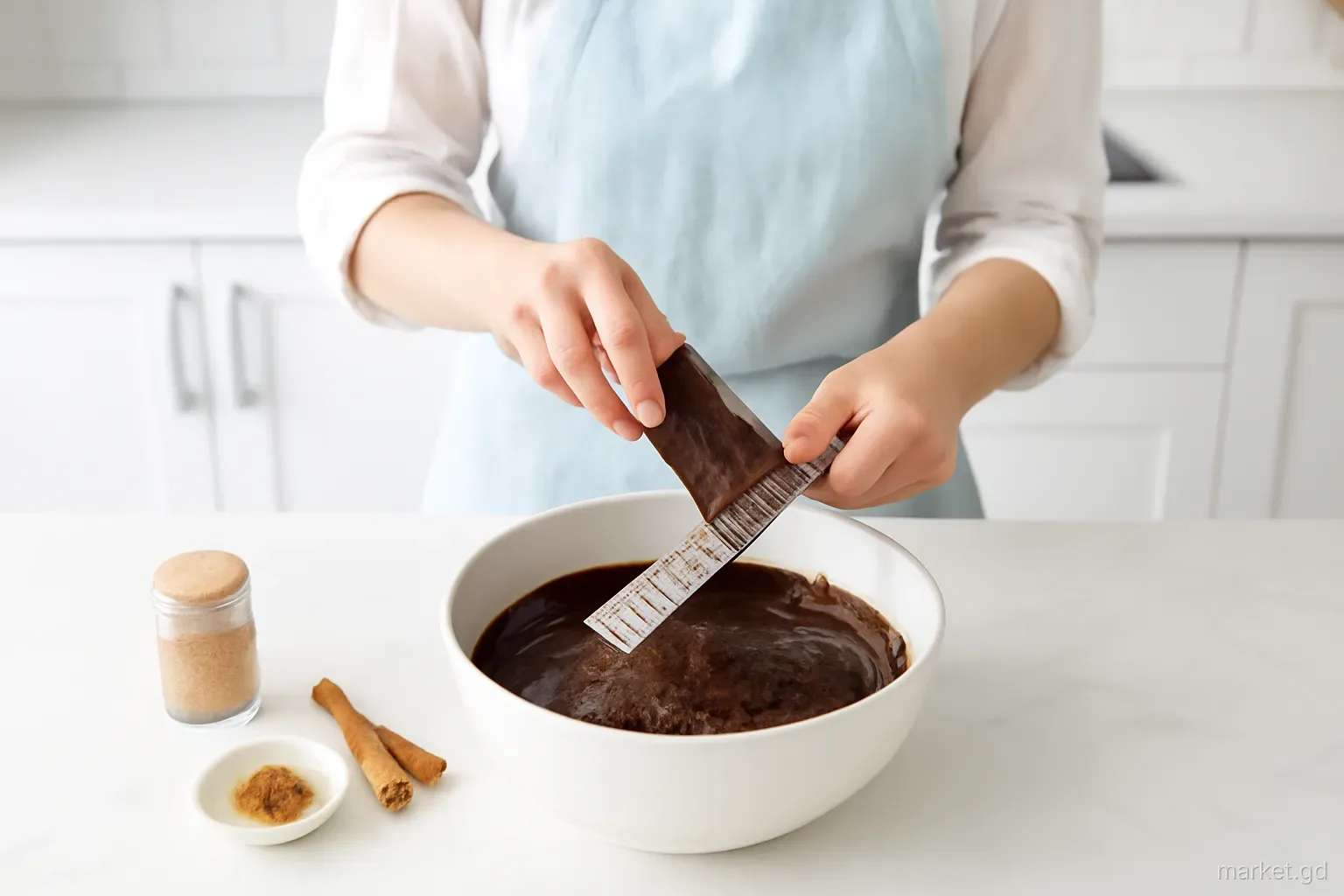
- Consider cocoa balls or sticks, nibs and cocoa powder, which offer the taste of Grenadian cocoa at lower cost per serving.
- Taste before buying in quantity. A bar you love is better value than a cheaper one you do not finish.
- Avoid paying for melted or bloomed stock from hot shelves.
- Remember that a portion of the price supports farmers and local jobs, which is part of what you are paying for.
Frequently asked questions
Why is local chocolate dearer than imported chocolate in Grenada?
Grenadian makers work in small batches, use fine-flavour cocoa from small farms, pay high electricity and import costs for equipment and packaging, and cannot match the scale of global brands. Imported mass-market bars use cheaper bulk cocoa and more sugar.
Do Grenadian cocoa farmers get a fair price?
It varies. Farmers selling to local makers who pay premiums for quality or organic beans may earn more than the bulk market pays. Others sell through traditional channels. Buying Grenadian-made chocolate helps keep more value on the island.
Why did chocolate prices rise in 2024?
Poor harvests in West Africa, particularly Côte d'Ivoire and Ghana, caused by weather and disease, pushed world cocoa prices to record levels. Makers worldwide raised prices or reduced bar sizes in response.
Is Grenadian chocolate cheaper on the island than abroad?
Usually, because export shipping, import duties and retailer margins abroad add cost. Prices on the island also vary between producers' shops, supermarkets, hotels and the airport, so compare before buying in quantity.
What is the cheapest way to enjoy Grenadian cocoa?
Cocoa balls or sticks, used to make cocoa tea, are an inexpensive traditional product. Cocoa nibs and powder are also economical. They offer Grenadian cocoa flavour at a lower cost per serving than premium bars.