Grenada has built a reputation as a destination for people who care about chocolate. Several makers produce bars on the island from locally grown cocoa, historic estates offer tours through the groves and processing areas, and an annual chocolate festival brings tastings, farm visits, cooking demonstrations and chocolate-themed dinners together into a single week. For a chocolate enthusiast, few places allow you to see the full journey from tree to bar in such a small area.
A trip can be planned around the festival or built independently at any time of year. Each approach has advantages. This guide explains what the festival typically involves, how to plan visits outside festival week, how the cocoa calendar affects what you will see, a sample three-day itinerary and the practical details people often overlook, such as transport, booking and the rough roads to some estates.
The Grenada Chocolate Fest
The Grenada Chocolate Fest began in 2014 and has usually been held over about a week, often in May. It has been organised from the south of the island, with events spread across estates, farms, hotels and restaurants in several parishes. Dates, organisers and programmes can change from year to year, and some years have been affected by the pandemic or by storms, so confirm whether and when the next edition is running before planning travel around it.
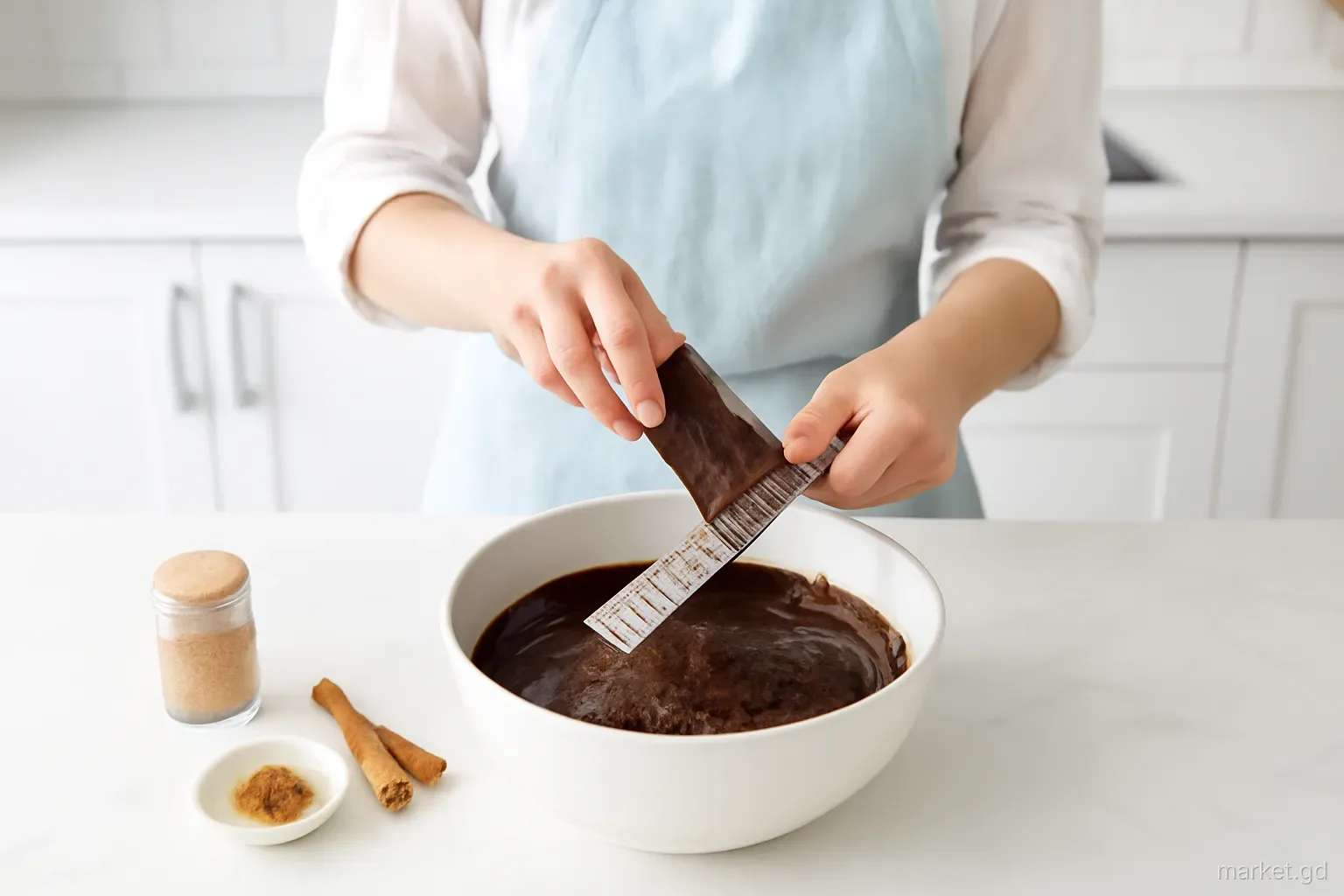
Typical festival activities have included guided visits to cocoa farms and estates, chocolate-making workshops, tasting sessions led by makers, chocolate pairings with rum and food, cooking demonstrations with chef-led chocolate dinners, wellness sessions using cocoa products, and talks about cocoa farming and sustainability. Some events are free or low cost, while others, such as dinners and full-day tours, are ticketed.
The festival is a good choice if you want structure, the chance to meet several makers and farmers in a short time, and a social atmosphere. Popular events can sell out, and accommodation near the south coast fills up, so booking early is sensible.
Visiting at other times of year
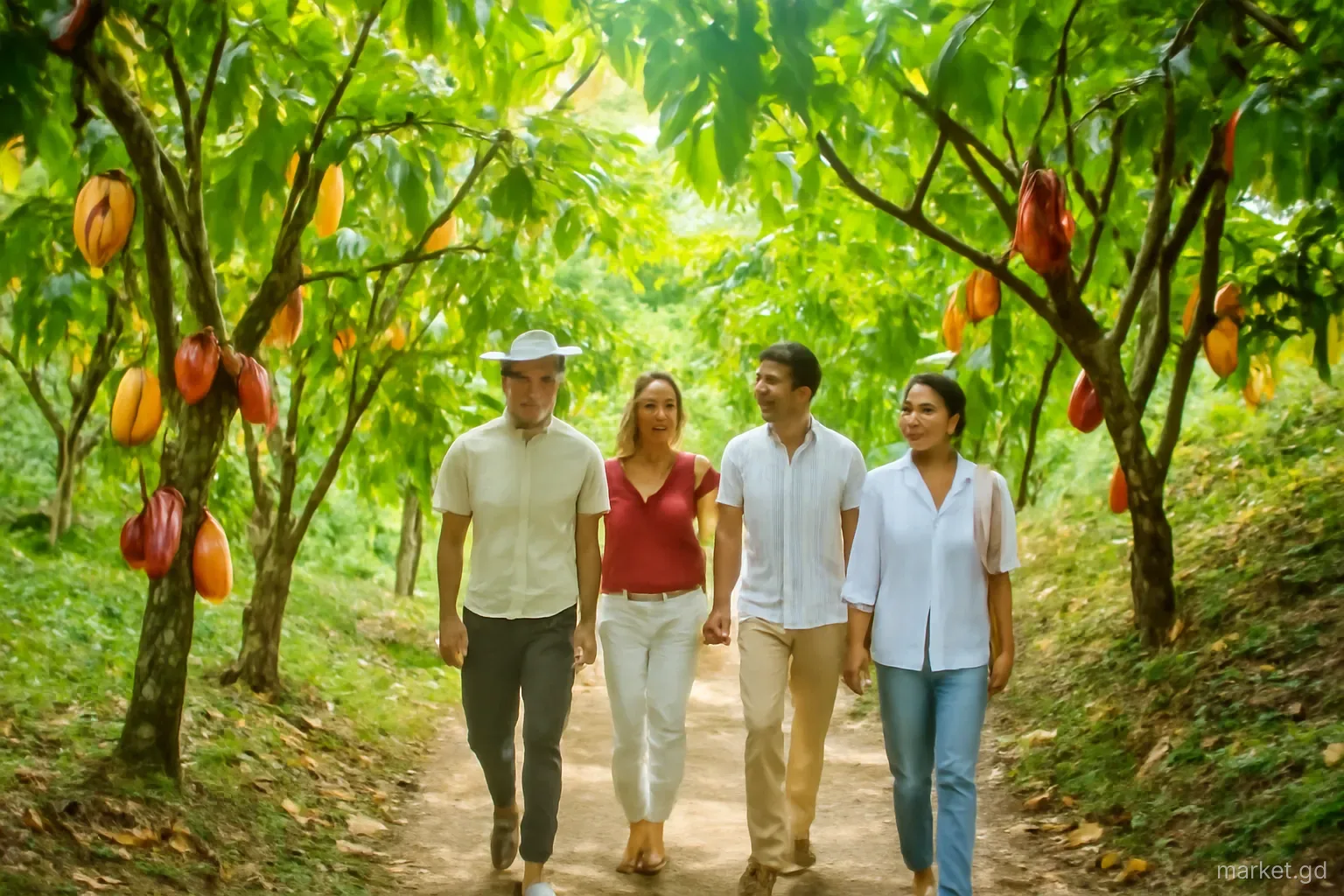
Outside festival week, chocolate experiences are still available, though they require more planning. Some estates offer regular tours that explain cocoa growing and processing, often with tastings and a shop. Belmont Estate in St Patrick's is the best-known visitor estate, combining cocoa and chocolate with a restaurant, gardens and heritage displays. Other estates and makers in St Patrick's and St Mark's have offered tours by arrangement.
Small producers do not always have regular visitor facilities. A maker may welcome visitors on certain days, by appointment, or not at all during busy production periods. Contact them in advance through their official channels or ask your accommodation to help, and do not simply turn up expecting a tour.
An independent trip gives you flexibility to linger where you like, combine chocolate with other interests such as hiking or beaches, and avoid crowds. It also means you can visit when accommodation is cheaper. The trade-off is less access to special events and fewer opportunities to meet many makers in one place.
Chocolate also fits naturally into a wider food trip. The same parishes hold nutmeg processing stations, rum distilleries and spice gardens, and a single day in St Patrick's or St Mark's can combine cocoa with lunch at an estate and a stop at a beach on the way home.
Festival week or independent trip: how to decide
Choose the festival if time is short. In a week you can meet farmers, makers and chefs who would otherwise take many separate bookings to see. Transport to events is sometimes organised, which removes the stress of rural driving.
Choose an independent trip for depth. Travelling on your own schedule lets you spend a whole morning on one estate, return to a maker whose bars you liked, and talk at length rather than in a group of thirty.
Think about cost. Festival week often coincides with higher demand for south-coast rooms, and ticketed dinners and tours add up. Independent visits outside busy periods can be cheaper, though private tours and drivers are not.
Think about your travel companions. A partner or family members who are less interested in chocolate may enjoy a festival week less than a mixed trip with beaches, hiking and one or two estate visits.
Combine both. Some visitors arrive a few days before the festival to explore independently, then join selected events. That approach gives a feel for the island before the busy schedule begins.
How the cocoa calendar affects a visit
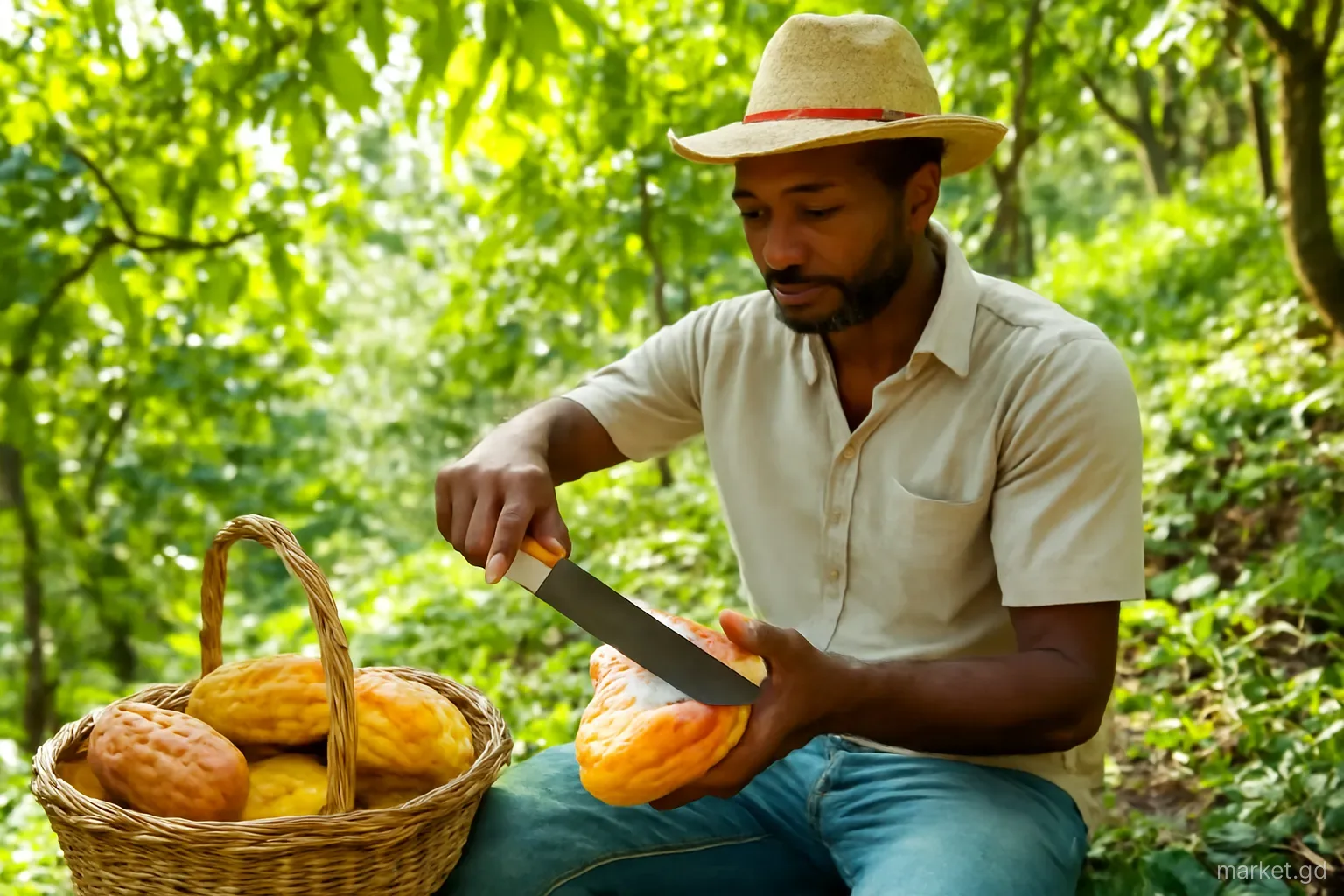
Cocoa fruits for much of the year. Cocoa trees flower and set pods over long periods, so pods are usually visible on the trees whenever you visit. Exact harvest peaks vary with rainfall and location.
Harvest activity varies. Picking happens in rounds through the year, with busier and quieter periods that shift with rainfall, tree age and recent storm damage. During a busy picking period you are more likely to see pods being opened and beans fermenting.
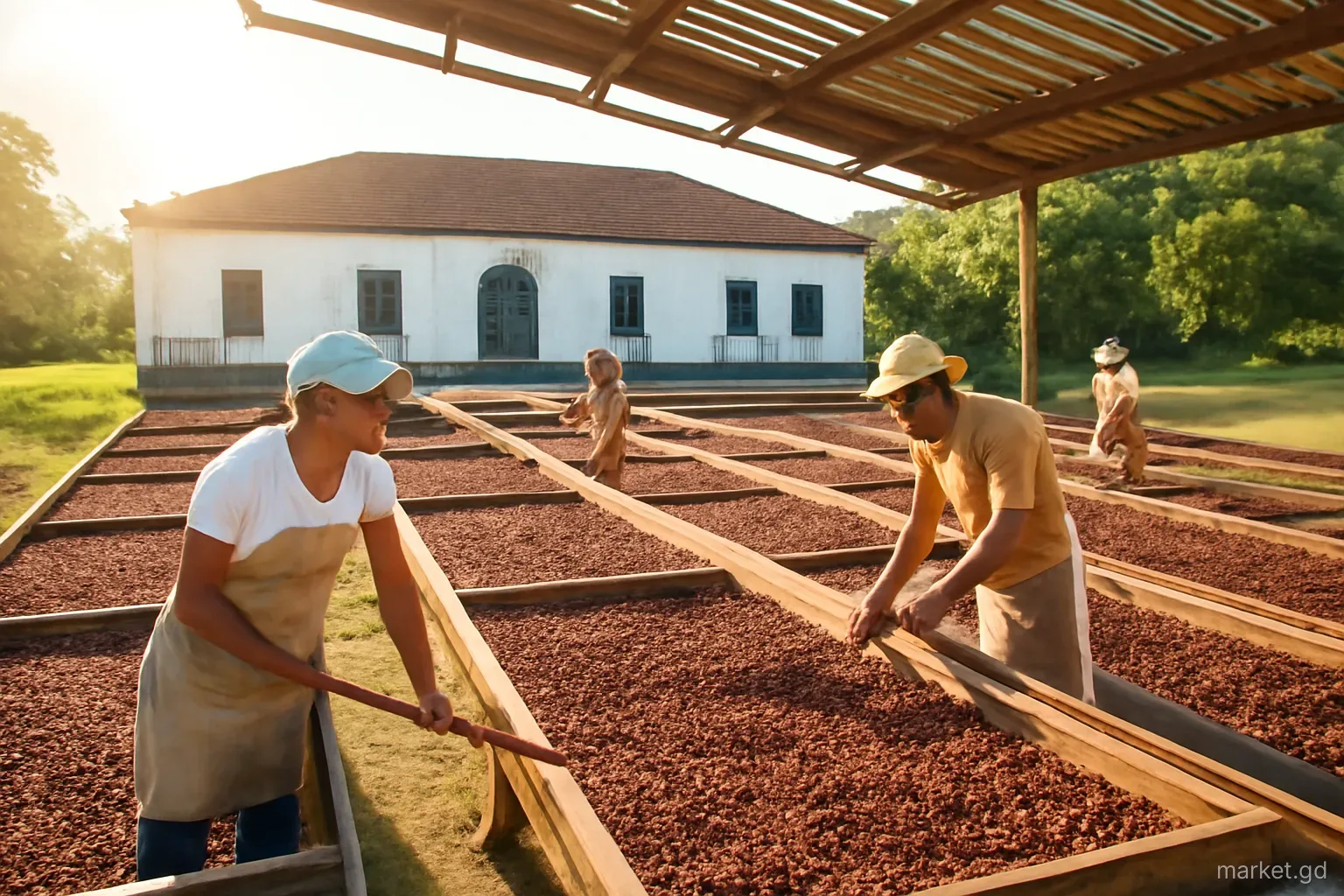
Drying needs sun. Beans are dried in the sun on large trays or floors, often with sliding roofs to protect them from rain. In wetter months, drying is slower and less visible.
Storms matter. Hurricanes and strong winds damage cocoa trees. Hurricane Ivan in 2004 destroyed much of the crop for years, and Beryl in 2024 caused serious damage, particularly in the north and on Carriacou. Estate conditions may reflect recent weather.
Ask what is happening. When booking a tour, ask whether fermentation or drying will be under way on your date. Seeing wet beans in the sweatboxes, and smelling them, adds a lot to a visit.
A sample three-day chocolate itinerary
This outline works independently of the festival and assumes a base in the south of Grenada. Adjust it to opening days and bookings:
- Day one, south coast. Settle in, then visit a chocolate shop or café in the south to taste a range of Grenadian bars. Set up a tasting flight in the evening to decide which makers to visit.
- Day two, the north-east. Drive or take a tour to St Patrick's for an estate visit, such as Belmont, with a tour of the cocoa processing area and lunch. If arranged in advance, visit a nearby maker. Return via the Grenville side for a different view of the island.
- Day three, St Mark's and the west coast. Visit a cocoa farm or maker in St Mark's by arrangement, then stop at Gouyave on the way back for the nutmeg processing station and, on a Friday, the evening fish fry.
- Final day. Buy your gift supply, store it carefully and pack it in hand luggage for the flight home.
Practical details people overlook
Chocolate trips involve rural roads and small businesses. A little preparation avoids frustration:
- Transport. Estates in St Patrick's and St Mark's are an hour or more from the south coast. Roads are narrow, steep and winding. Consider a driver or tour if you are not used to driving on the left on mountain roads.
- Book ahead. Tours, workshops and festival events have limited places. Small producers in particular need notice.
- Cash. Rural shops and small producers may not take cards. Carry EC dollars.
- Clothing. Wear closed shoes for walking in cocoa groves, which can be muddy and uneven, and bring insect repellent.
- Heat and chocolate. Do not leave purchases in the car. Bring an insulated bag if you plan to buy on a day trip.
- Post-storm conditions. After Hurricane Beryl, some farms and businesses, especially in the north and on Carriacou, were rebuilding. Check what is operating before you go.
Frequently asked questions
When is the Grenada Chocolate Fest held?
It has usually taken place over about a week, often in May, since starting in 2014. Dates and programmes vary, and some editions have been affected by external events, so confirm the next edition's dates with the organisers before booking travel.
Is it possible to visit a chocolate factory in Grenada without a tour group?
Some estates, notably Belmont Estate, welcome independent visitors. Smaller makers may only accept visitors by appointment or at certain times. Contact them through official channels or ask your accommodation to arrange a visit.
How long does it take to drive to the chocolate estates?
From the south coast, estates in St Patrick's or St Mark's typically take an hour or more each way on narrow, winding roads. Allow plenty of time, and consider a driver if you are unfamiliar with the island.
Will cocoa pods be on the trees during a visit?
Usually, yes. Cocoa trees bear pods for much of the year, though the main harvest and fermentation activity varies by season and weather. Ask the estate what you will be able to see on your date.
Is a chocolate trip suitable for children?
Generally yes. Children often enjoy seeing pods, tasting the sweet pulp around fresh beans and sampling chocolate. Choose shorter tours, bring water and sun protection, and check that activities suit their ages.