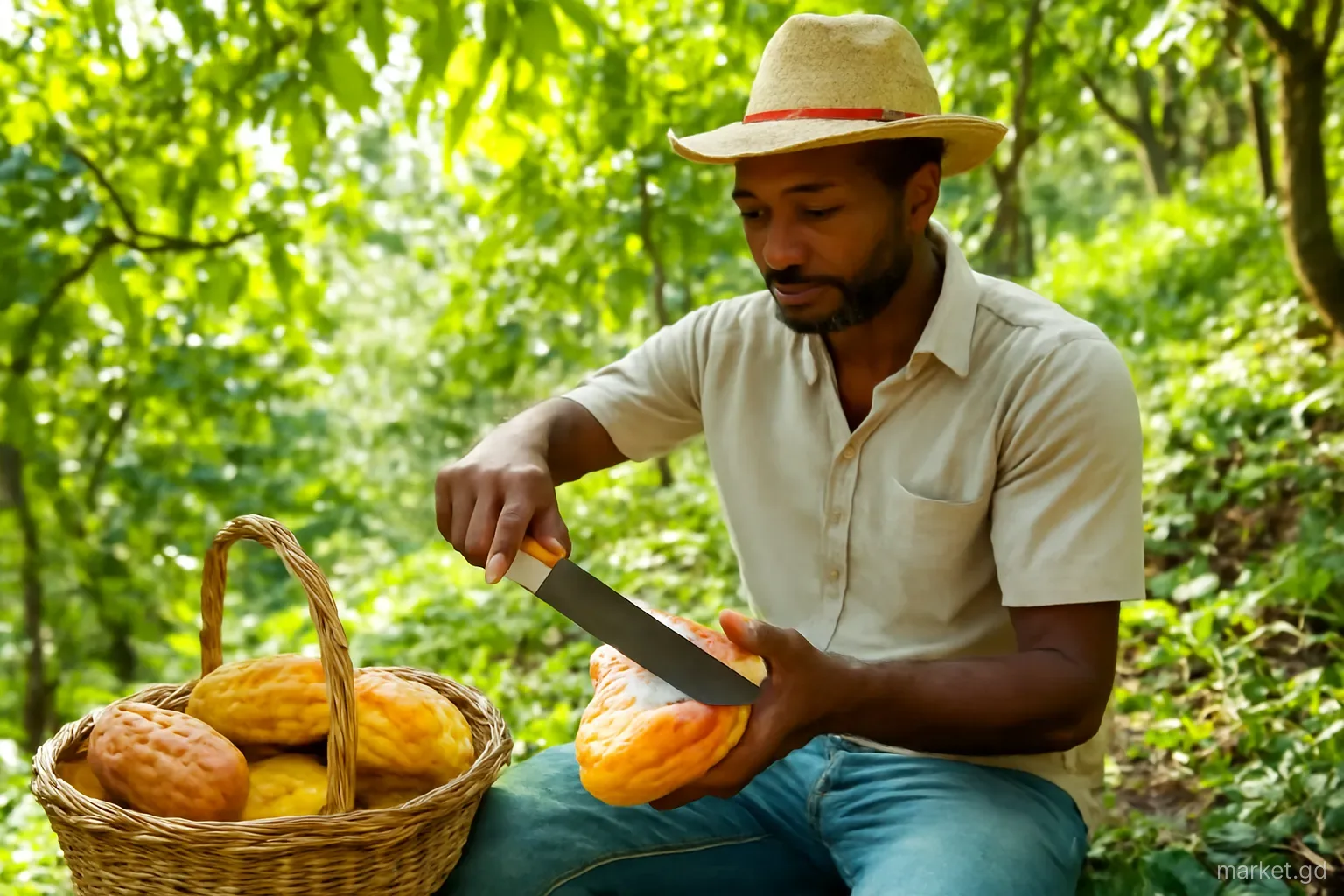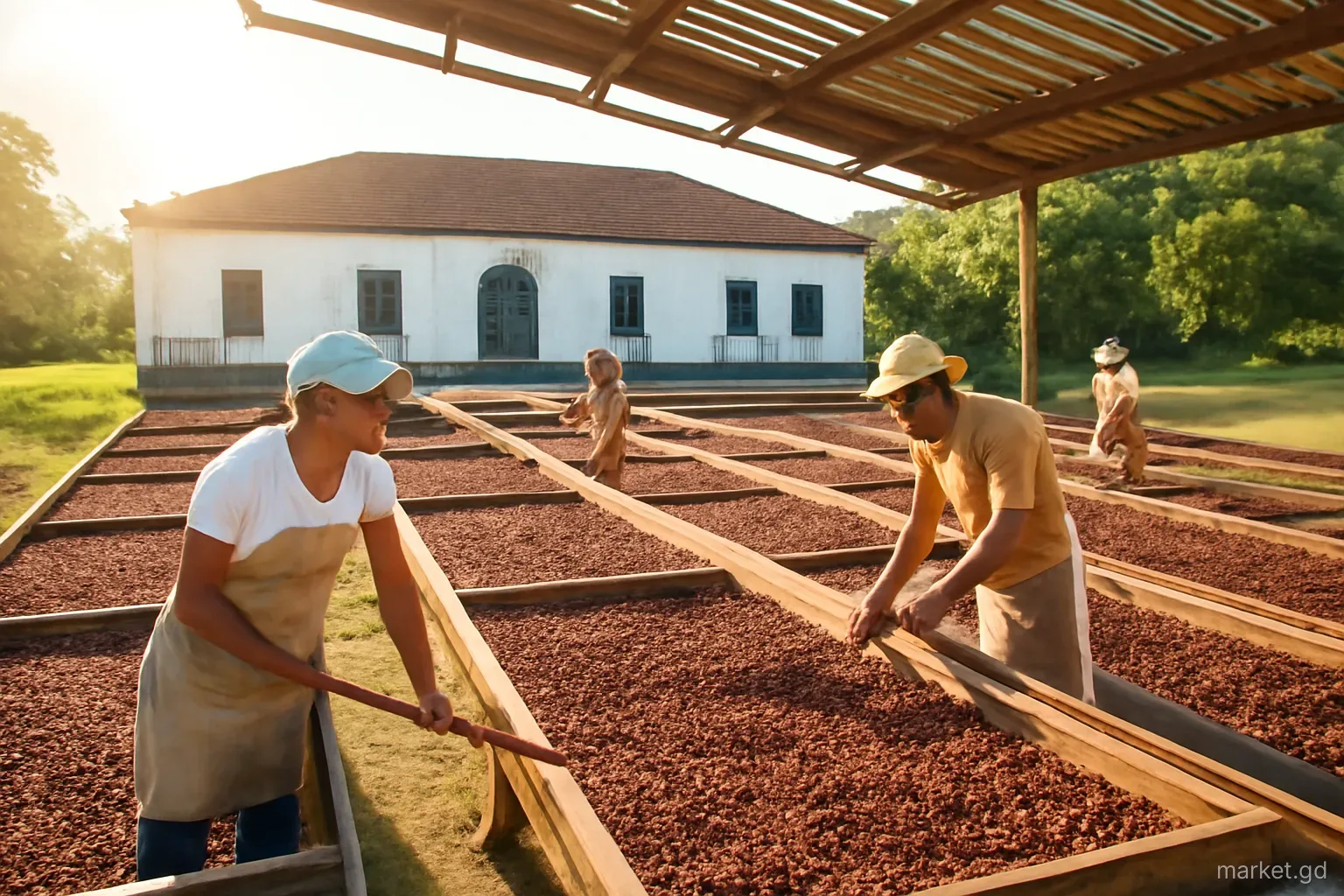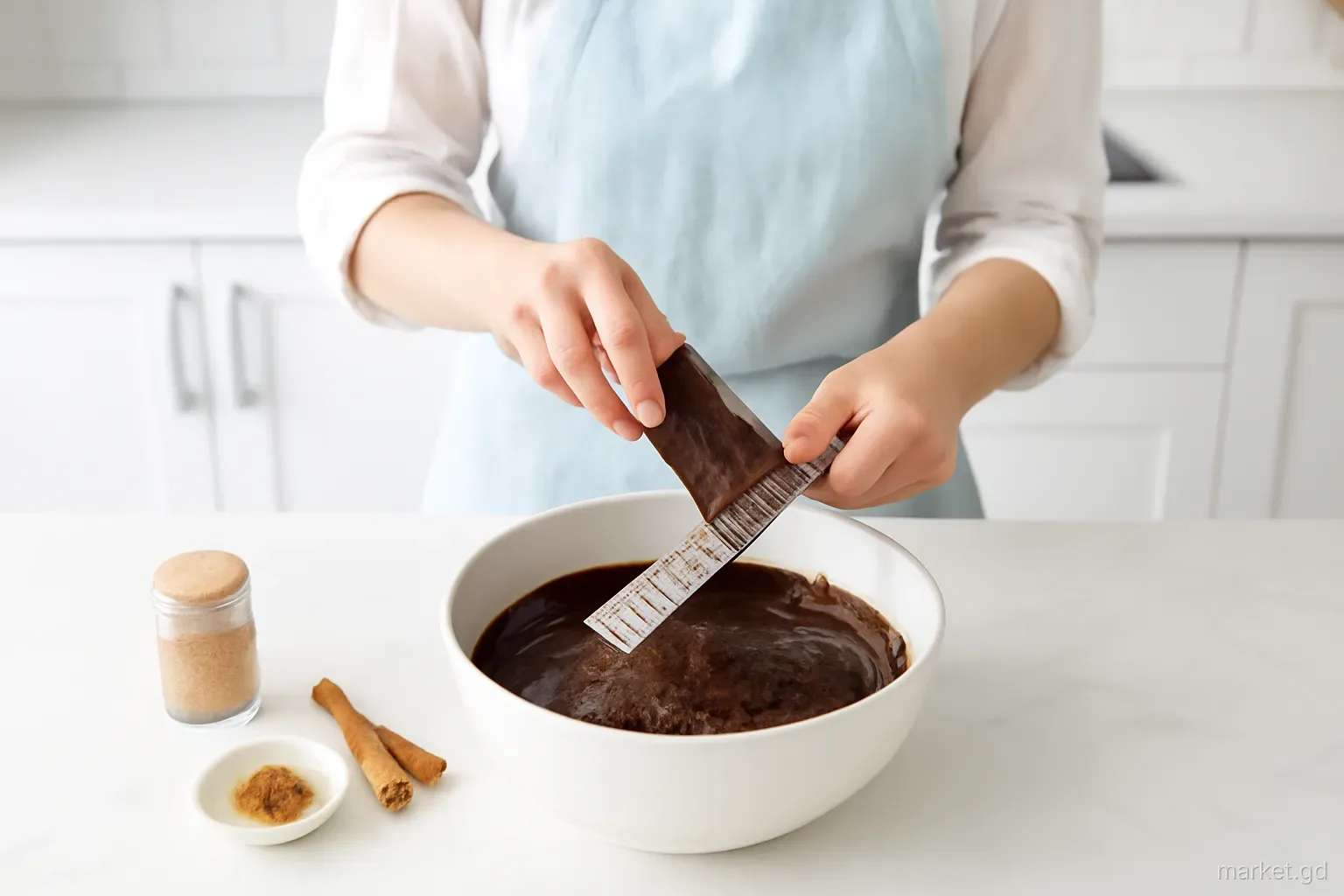
Most Grenadian chocolate is eaten straight from the wrapper, which is a fine use for it. But some of the most rewarding ways to enjoy the island's cocoa happen in the kitchen. A 100 per cent bar gives brownies and chocolate cake a depth that supermarket cocoa powder rarely matches. Nibs add crunch and bitterness to granola, salads and biscuits. The humble cocoa ball, made for cocoa tea, turns out to be one of the most versatile cooking ingredients a visitor can take home.
This guide explains how each Grenadian cocoa product behaves in cooking, gives practical ways to use them in baking, drinks and savoury dishes, and suggests pairings with the island's spices. It is aimed at home cooks rather than professionals, and avoids precise recipes in favour of principles that work with whatever bars and cocoa products you manage to bring back. Traditional cocoa tea has its own guide elsewhere in the AZ.GD network.
Know your products
Dark bars, 60 to 80 per cent. Tempered eating chocolate with added sugar. Good for ganache, mousse, sauces, chunks in cookies and melting over desserts. The flavour of a fine Grenadian bar comes through well in simple recipes where it is the main ingredient.
100 per cent bars. Pure cocoa mass with no sugar. Intense, bitter and the most concentrated cocoa flavour available. Ideal for baking, where you control the sugar yourself, and for savoury dishes.
Cocoa balls or sticks. Ground roasted cocoa formed into balls or sticks, sometimes with spices such as cinnamon, nutmeg or bay. Not tempered, often slightly grainy, and designed to be grated into hot liquid. Very useful in baking and cooking as a rustic substitute for unsweetened chocolate.
Cocoa nibs. Roasted cocoa beans broken into small pieces with the shell removed. Crunchy, bitter and aromatic, with no added sugar. Used as a topping or mixed into doughs and batters.
Cocoa powder. Some Grenadian producers sell natural cocoa powder. It is usually not alkalised, so it tastes brighter and more acidic than Dutch-processed powder, which affects baking chemistry.
Baking with Grenadian cocoa
The simplest upgrade is to use a Grenadian dark bar wherever a recipe calls for dark chocolate: brownies, chocolate cake, cookies and tarts. Because Grenadian bars often contain less sugar than standard baking chocolate, taste the batter and adjust sweetness if needed. Chopping a bar into chunks rather than using uniform chips gives pockets of melted chocolate and a more homemade texture.
A 100 per cent bar or grated cocoa ball can replace unsweetened baking chocolate. Melt it gently with butter, then add sugar, eggs and flour as usual. Grated cocoa ball is slightly grainier than refined chocolate, which suits rustic cakes and brownies better than silky mousses or glossy glazes.
Natural cocoa powder reacts with baking soda, which is why many older recipes pair them. If your recipe was written for Dutch-processed cocoa and uses baking powder, swapping in natural powder may change rise and colour slightly. For most home baking the difference is small, but it is worth knowing if a cake turns out denser or lighter than expected.
Simple desserts that show off a good bar
The finest Grenadian bars are best used where little else competes with them. A basic ganache, made by pouring hot cream over chopped dark chocolate and stirring until smooth, becomes a tart filling, a cake glaze or, once chilled and rolled, a batch of truffles dusted in cocoa powder or crushed nibs. A few gratings of nutmeg in the cream adds a Grenadian signature.
Chocolate mousse needs only chocolate, eggs and a little sugar, so the character of the bar dominates. A flourless chocolate cake works the same way. Poached or grilled tropical fruit, such as pineapple or banana, with a warm sauce of melted dark chocolate and a splash of rum, is a quick dessert that suits the island's produce.
For any of these, choose a bar whose flavour you enjoy on its own. If a bar tastes too bitter or too fruity eaten plain, it will taste the same in a mousse, only more so.
Drinks beyond cocoa tea
Grenadian cocoa makes excellent drinks of many kinds. A few ideas that work well:
- Spiced hot chocolate. Melt chopped dark chocolate into hot milk with a pinch of grated nutmeg and a stick of cinnamon. Whisk well for a frothy finish.
- Thick drinking chocolate. Use a higher proportion of dark chocolate to milk and a little cornflour for a spoon-coating drink in the European style.
- Iced cocoa. Make a strong cocoa base with grated cocoa ball and hot water or milk, sweeten, cool, then pour over ice with cold milk. Refreshing in the Grenadian heat.
- Mocha. Combine strong coffee with melted dark chocolate and steamed milk.
- Smoothies. Add a spoonful of nibs or cocoa powder to banana, peanut butter and milk for a filling breakfast drink.
- Rum-based drinks. A little dark chocolate melted into warm milk with a measure of aged rum and a grating of nutmeg makes an after-dinner drink in the spirit of the island.
Savoury uses
Cocoa has a long history in savoury cooking, most famously in Mexican mole sauces. Grenadian cooking traditionally uses cocoa mainly in drinks, but unsweetened cocoa works well in savoury dishes in small quantities, adding depth and a slight bitterness that balances rich meats.
Try grating a little 100 per cent chocolate or cocoa ball into a beef or goat stew, a chilli or a rich tomato sauce near the end of cooking. It deepens colour and rounds out flavours without tasting obviously of chocolate. Start with a small amount and taste as you go; too much makes the dish bitter.
Cocoa nibs can be used like toasted nuts. Scatter them over roasted vegetables, salads with citrus or mango, or grilled fish, or crush them with coarse salt and pepper as a crust for steak or pork. Ground nibs mixed with spices make an unusual rub. These uses work especially well with the fruity notes typical of Grenadian cocoa.
Pairing with Grenadian spices
Nutmeg and mace. Grenada's signature spice pairs naturally with chocolate. Grate fresh nutmeg into hot chocolate, brownies or chocolate custard. Mace adds a lighter, more floral note.
Cinnamon. A classic partner for chocolate. Use sticks in drinks and ground cinnamon in baking.
Bay leaf. West Indian bay leaf is traditionally used in cocoa tea. Infuse a leaf in milk for a few minutes before adding chocolate for an aromatic drink.
Ginger and clove. Fresh ginger adds heat and brightness to chocolate desserts; a small amount of clove gives warmth to cakes and drinks.
Citrus and tropical fruit. Orange zest, lime and passion fruit cut through rich chocolate. Mango and banana pair well in desserts.
Sea salt and chilli. A pinch of salt sharpens chocolate flavour. A little chilli in chocolate sauces or drinks adds a pleasant warmth.
Practical tips and common mistakes
A few points help home cooks get the best from Grenadian cocoa products:
- Melt chocolate gently, in a bowl over barely simmering water or in short bursts in a microwave. Overheating makes it grainy or scorched.
- Keep water away from melting chocolate; even a drop can make it seize into a stiff paste.
- Grate cocoa balls on a fine grater for drinks and baking; chopping leaves large grainy pieces.
- Store nibs in an airtight jar; they absorb moisture and odours.
- Do not use your finest eating bars in recipes with many strong flavours, where their subtlety is lost; save them for simple desserts or eating.
- Taste and adjust sugar when substituting Grenadian bars, which are often less sweet than standard baking chocolate.
- Label cocoa balls with what spices they contain, as some include nutmeg, cinnamon or bay, which affects how you use them.
Frequently asked questions
Can cocoa balls be used for baking?
Yes. Grated cocoa ball can replace unsweetened baking chocolate in brownies and rustic cakes. It is slightly grainier than refined chocolate, so it suits recipes where a perfectly smooth texture is not essential. Check whether it contains spices.
What can you do with cocoa nibs?
Use them like toasted nuts: in granola, cookies, salads and as a topping for ice cream or fruit. They can be ground into rubs or infused in milk or cream for a subtle chocolate flavour.
Is 100 per cent chocolate edible on its own?
It is edible but intensely bitter, as it contains no sugar. Some enthusiasts enjoy small pieces slowly, but most people use 100 per cent bars in baking or savoury dishes where sugar is added separately.
Which Grenadian spice goes best with chocolate?
Nutmeg is the obvious choice and works well in drinks, cakes and custards. Cinnamon and bay leaf, both traditionally used in Grenadian cocoa tea, are excellent partners too, as is fresh ginger.
How should cocoa products be stored at home?
Keep bars, cocoa balls, nibs and powder in airtight containers in a cool, dry, dark place. Avoid the fridge unless your kitchen is hot, and keep them away from strong-smelling foods.