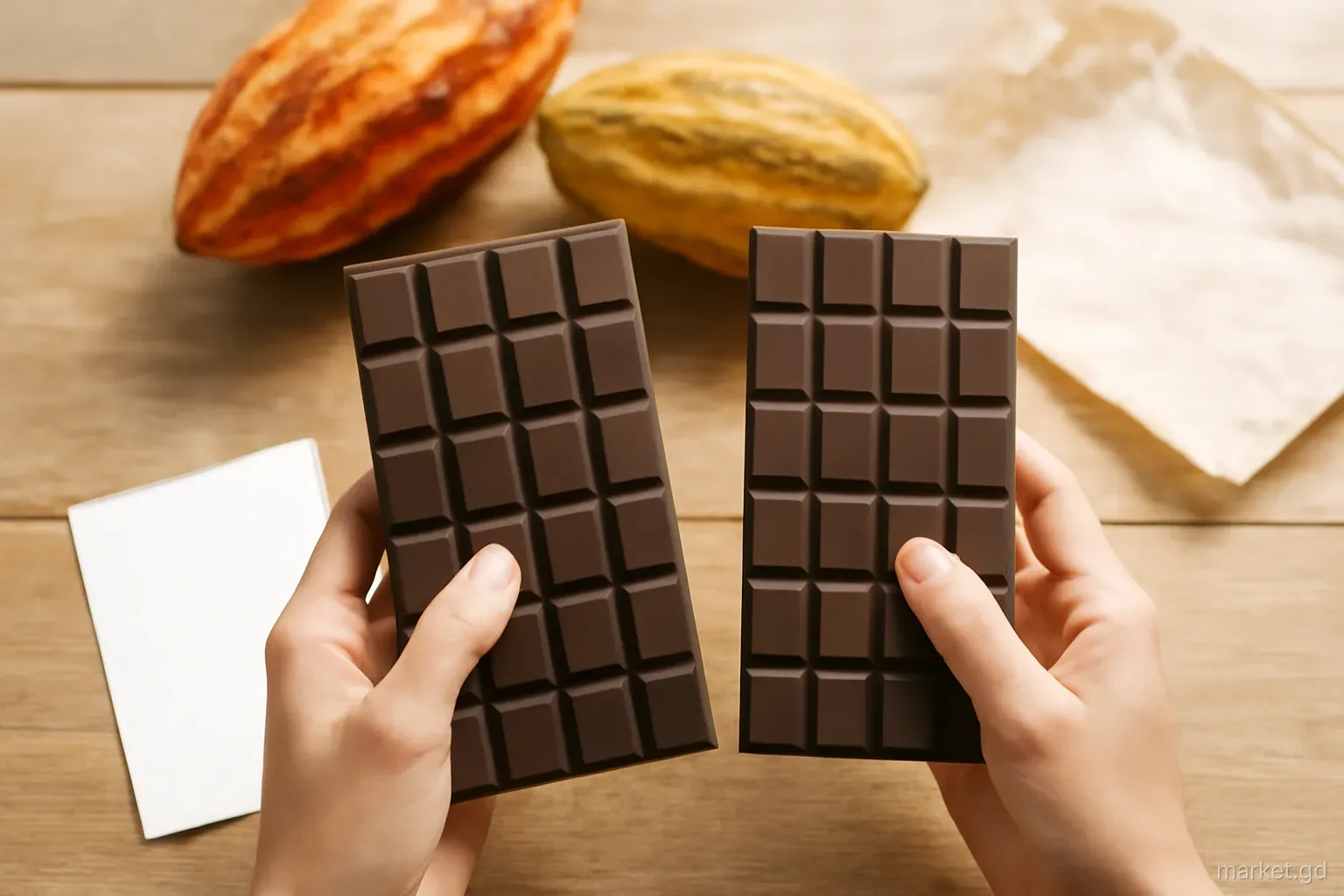
Pick up three chocolate bars in a Grenadian shop and you may see three different claims: tree-to-bar, bean-to-bar, single estate, Grenada origin, organic. Pick up a bar in a delicatessen in London or New York and you may find Grenada named on the front of a bar that was made thousands of miles away. These terms are not interchangeable, and they say different things about where the cocoa was grown, where the chocolate was made and who earned the money.
None of the terms is regulated in a single, universal way, so the label is a starting point, not a guarantee. This guide explains what each claim normally means, how to read percentages and ingredient lists, what organic and other certifications tell you, and the details that help you choose a bar that matches what you actually want, whether that is maximum local value, a particular flavour or simply something good to take home.
Tree-to-bar: grown and made in the same place
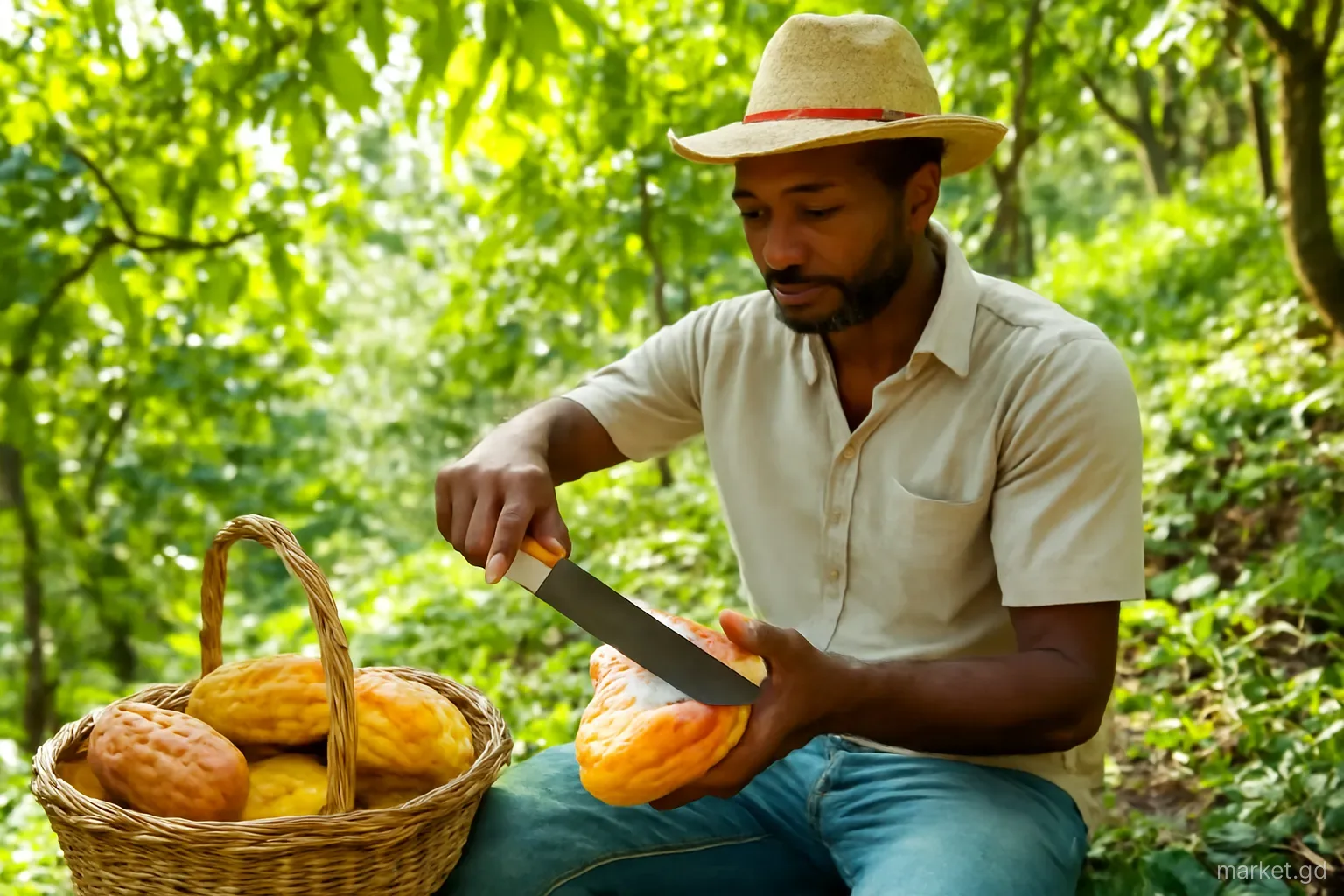
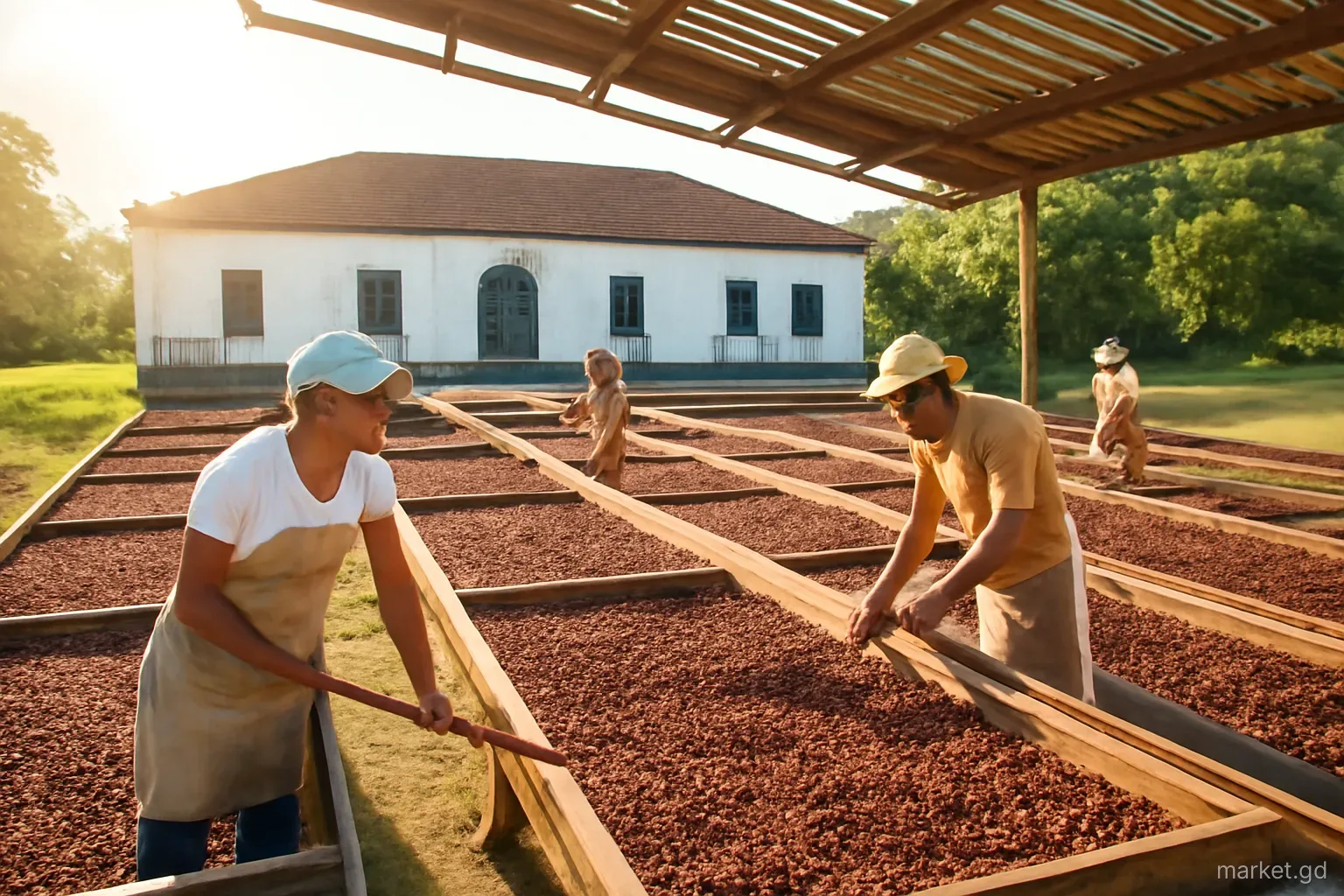
Tree-to-bar, sometimes called farm-to-bar, describes chocolate made by a producer who also grows, or works directly with the farmers who grow, the cocoa, and who carries out the whole process in the country of origin: harvesting, fermenting, drying, roasting, grinding, refining, tempering and moulding. Grenada is one of the places most associated with this model, because the Grenada Chocolate Company, founded in 1999, became one of the best-known early examples of chocolate made where the cocoa grows.
The significance is economic as much as gastronomic. When cocoa is exported as raw beans, most of the value of the final bar is added elsewhere. When the chocolate is made in Grenada, more of that value, and the jobs that come with it, stays on the island. Several Grenadian producers, including estates that grow their own cocoa, describe their chocolate this way.
Tree-to-bar does not automatically mean better flavour, but it usually means a short supply chain, close control of fermentation and drying, and traceability to specific farms or estates. If those things matter to you, it is the claim to look for.
In practice, tree-to-bar producers in Grenada are small operations, and output is limited. Bars can sell out locally, flavours come and go, and availability abroad is patchy. That scarcity is one reason prices are higher than for imported chocolate on the same supermarket shelf, and why buying from the source while on the island makes sense.
Bean-to-bar, and Grenada-origin bars made abroad
Bean-to-bar means the maker starts with cocoa beans and does everything from roasting onwards, rather than melting down ready-made chocolate from an industrial supplier. The term is used by a large international movement of small craft makers. A bean-to-bar maker can be anywhere in the world; many buy beans from specific origins and name them on the label.
Grenadian cocoa is used by craft makers in Europe, North America and elsewhere, and a bar labelled Grenada, or with a Grenadian estate name, may well have been made abroad from imported beans. That is a legitimate product and often an excellent one. It also supports Grenadian farmers, who receive a price for the beans. But it is not made in Grenada, and less of the bar's final value stays there.
If buying Grenadian-made chocolate is your aim, check the small print for where the chocolate was manufactured, not just where the cocoa was grown. Words like "made in Grenada" or the address of the producer are clearer than an origin name on the front.
Reading the cocoa percentage
What it measures. The percentage is the total proportion of ingredients derived from the cocoa bean: cocoa mass, plus any added cocoa butter and cocoa powder. A 70 per cent bar is 70 per cent cocoa-derived and around 30 per cent other ingredients, mostly sugar.
What it does not tell you. Two 70 per cent bars can taste very different. One may contain more cocoa butter, making it milder and smoother; another more cocoa solids, making it more intense. Bean origin, fermentation and roast matter as much as the number.
Very high percentages. Bars above about 80 per cent are intense, with little sweetness. A 100 per cent bar contains no sugar at all and is mainly used for baking or by enthusiasts.
Milk chocolate. Milk bars have lower cocoa percentages and include milk solids. Grenadian makers are known mainly for dark chocolate, but milk and flavoured bars are also made.
Flavoured bars. Percentages on flavoured bars refer to the chocolate base. Added ingredients such as nutmeg, ginger or nibs change the eating experience but not the cocoa percentage.
What to look for in the ingredient list
Ingredient lists are short on good dark chocolate. They are listed in descending order of weight:
- Cocoa mass or cocoa liquor. The ground cocoa bean, containing both solids and butter. It should come first or second.
- Sugar. Usually cane sugar in craft chocolate. In a dark bar it should come after cocoa.
- Cocoa butter. Often added for smoothness and easier tempering. A bar using only cocoa and sugar is possible, but texture may be firmer.
- Emulsifier. Soy or sunflower lecithin helps chocolate flow during production. Some craft makers avoid it; its presence is not a quality flaw but is worth noting if you prefer minimal ingredients.
- Vanilla. Natural vanilla is common. Artificial vanillin is more typical of mass-market bars.
- Vegetable fats other than cocoa butter. In many countries, chocolate containing other vegetable fats must say so. Fine dark chocolate generally does not use them.
- Milk and allergens. Dark chocolate may be made on equipment shared with milk or nuts. Check allergen statements if this matters.
Organic, origin and other claims
Organic certification indicates that cocoa was grown without synthetic pesticides and fertilisers according to the standards of a certifying body. Some Grenadian chocolate has been certified organic, and some cocoa farms are organic in practice without paying for certification, which is costly for small farmers. A missing organic logo does not necessarily mean chemicals were used, but only a certified claim can be relied on.
Single-estate or single-farm labels name the specific place where the cocoa was grown. In Grenada, where estate names such as Belmont or Diamond have long histories, this connects the bar to a particular landscape. Single-origin simply means the beans come from one country or region.
Other claims such as fair trade, direct trade or ethically sourced vary in meaning. Fair trade usually refers to a specific certification scheme; direct trade describes a relationship between maker and farmer without a standard definition. When a claim matters to your decision, look for the name of a certifier, or ask the producer or shop how the cocoa is sourced.
Dates, storage notes and practical details
The back of the wrapper also carries practical information that affects quality:
- Best-before dates on dark chocolate are typically a year or more ahead. Dark chocolate does not spoil quickly, but flavour gradually fades.
- Storage instructions such as "store in a cool, dry place" matter more in Grenada than in cooler countries. Bars displayed in direct sun or warm shop windows can bloom.
- Batch or lot numbers indicate small-batch production and help a maker trace any problem.
- Net weight varies; Grenadian bars are not always the same size as bars from home, so compare price by weight.
- Packaging that is well sealed protects against humidity and odours, particularly important if the chocolate will travel.
- If the wrapper names the producer's location in Grenada, such as a parish or estate, that is good evidence the chocolate was made on the island.
Frequently asked questions
What is the difference between tree-to-bar and bean-to-bar?
Tree-to-bar means the chocolate is made in the country where the cocoa is grown, usually by producers connected to the farms. Bean-to-bar means the maker starts with beans and does all processing, but can be located anywhere in the world.
Is a bar labelled Grenada always made in Grenada?
No. Many craft makers abroad buy Grenadian cocoa and name the origin on their bars. Check the small print for the place of manufacture or the producer's address to find out where the chocolate itself was made.
Does a higher cocoa percentage mean better chocolate?
Not necessarily. Percentage indicates how much of the bar comes from cocoa, not its quality. Fermentation, roasting, recipe and personal taste matter more. Many tasters find bars around 70 per cent show cocoa flavour best.
Is Grenadian chocolate organic?
Some is certified organic, and some comes from farms that avoid chemicals without certification. Only bars carrying a certifier's mark can be relied on as organic. Ask the producer if it matters to you.
Why do some bars contain lecithin?
Lecithin is an emulsifier that helps chocolate flow during manufacturing and can make tempering easier. It is used in small amounts and is not a sign of poor quality, though some craft makers prefer to leave it out.