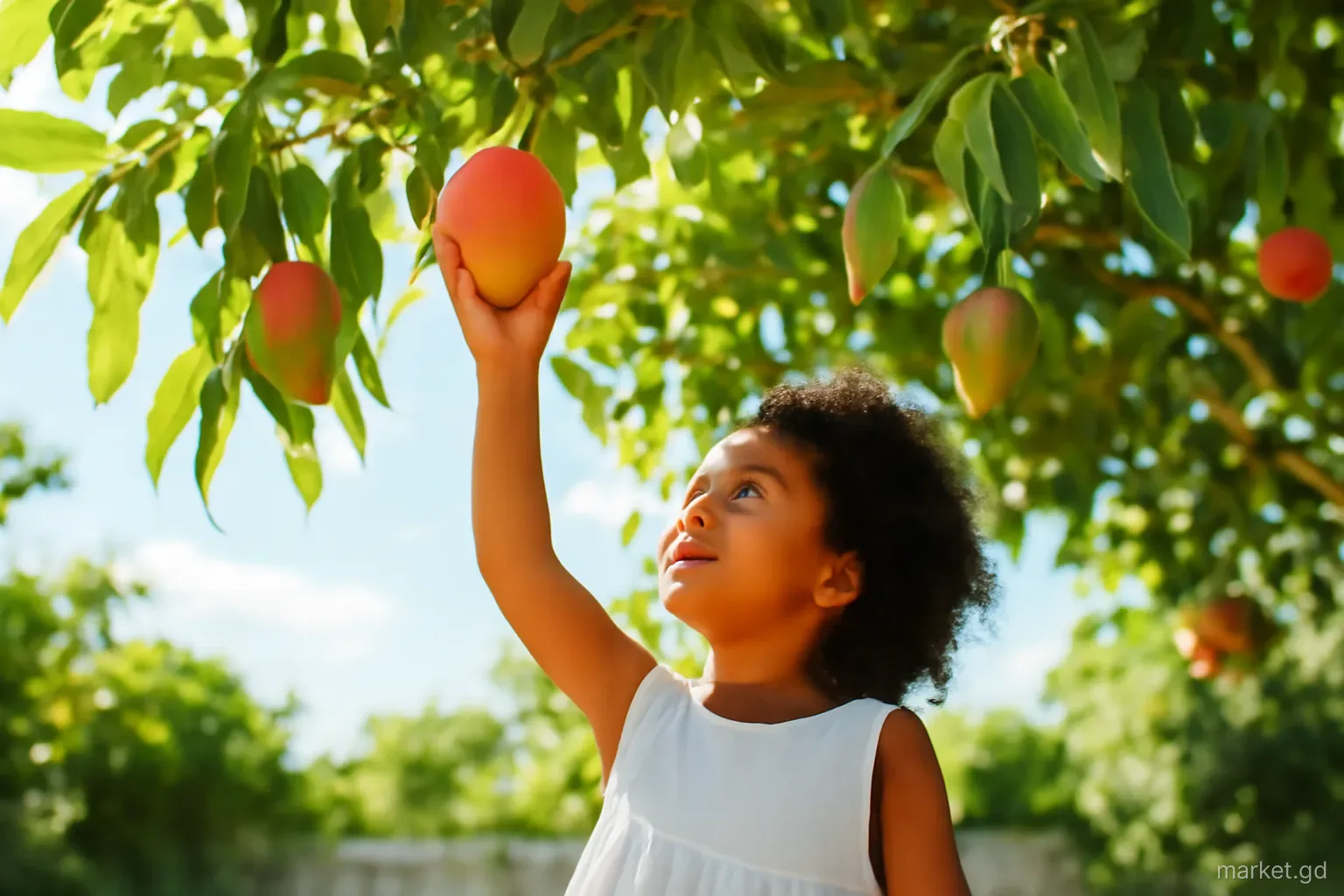
For a few months each year Grenada runs on mangoes. Trees in yards, along roadsides and on hillsides bend with fruit, children knock them down on the walk home from school, vendors pile them high in St George's and Grenville, and households that bought the first fruit at a premium end the season giving bags away to the neighbours. Few things show the link between season and price as clearly.
This page explains when mango season falls, which varieties to look for, how prices behave from the first fruit to the glut, and how to choose and use mangoes at each stage, from green fruit for chow and chutney to fully ripe fruit for eating. Variety names in Grenada are sometimes used loosely, and the same mango may go by different names in different villages, so treat the descriptions below as a guide.
When the season starts and ends
Mango trees in Grenada usually flower during the dry season, and the first fruit reach the markets in the late dry season, around April in a typical year. The main season runs from about May into July, when supply is at its heaviest, with some varieties and late trees continuing into August. Exact timing depends on the year's rainfall pattern, the location of the trees and the variety. Fruit from the drier south and west often comes earlier than fruit from higher, wetter areas.
A rain shower during flowering can reduce the crop, and a very dry spell can cause young fruit to drop, so some years are much heavier than others. A hurricane or strong storm can strip trees of fruit and branches; after such an event the next season may be thin. Growers and vendors watch the flowering closely and can usually say by the early dry season whether the year will be a big one. When everyone says the trees are loaded, expect low prices by June.
Varieties commonly found in Grenada
Julie. Perhaps the best-known Caribbean mango. Julie mangoes are fairly small to medium, flattened on one side and sweet with little fibre. They are popular for eating fresh and often fetch a higher price than common mangoes.
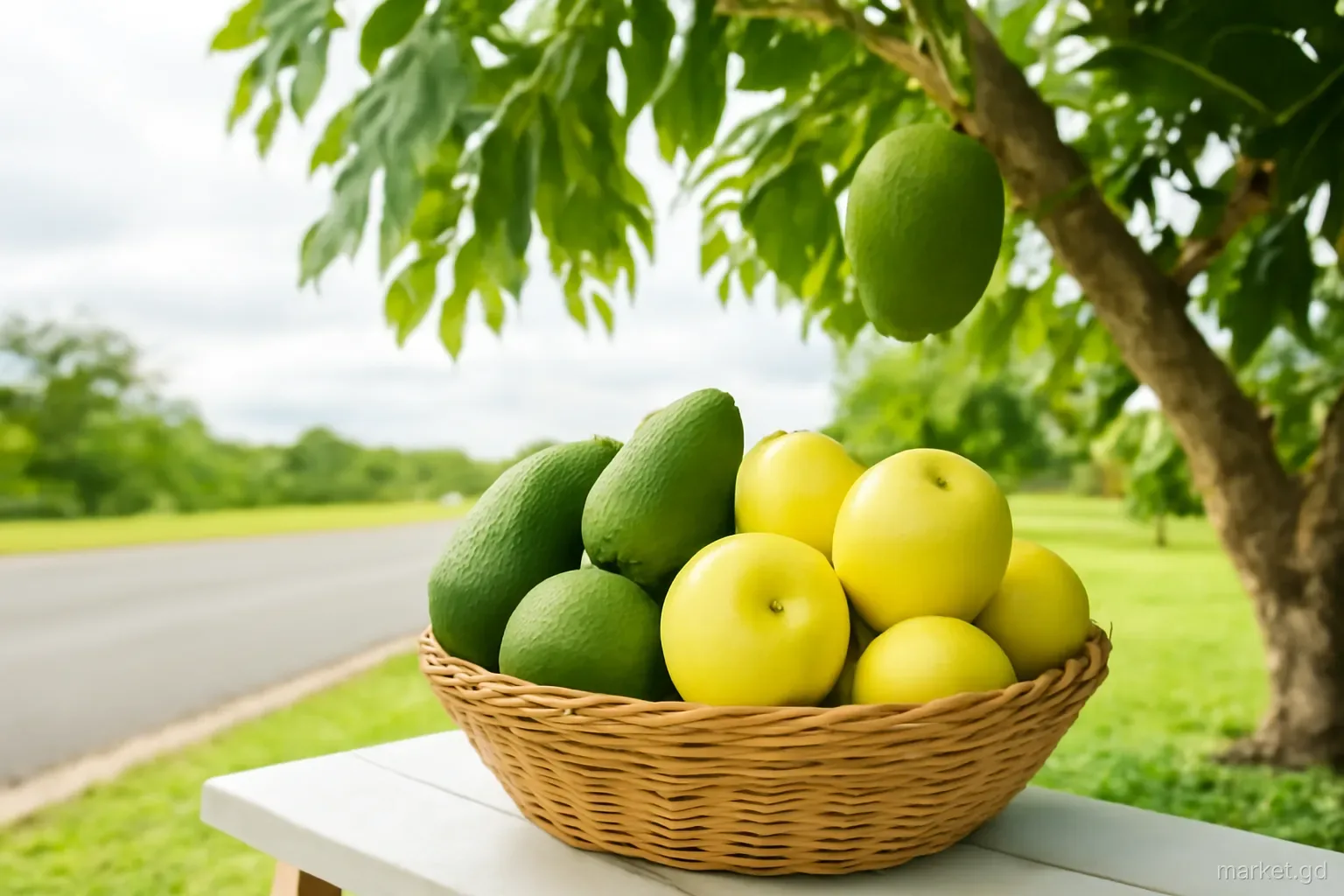
Ceylon. A favourite in Grenada, often greenish-yellow when ripe and valued for sweet, juicy flesh. Ceylon mangoes are widely grown and sold in large quantities at the peak of the season.
Starch mango. A smaller, fibrous mango with intense flavour, often eaten by peeling the skin back and sucking the flesh. Cheap and plentiful, popular with children.
Long mango. An elongated variety, firm when green and used in pickles and chow, as well as eaten ripe.
Other local and grafted types. Many yards hold older seedling trees with their own local names, and grafted varieties such as Graham are also found. Ask the vendor what a mango is, how sweet and how fibrous it is, and whether it is best for eating or cooking.
How prices move through the season
Mango pricing follows a clear arc. The first ripe fruit, often from early trees in warm, dry spots, is scarce and sells at a premium, priced individually or in small heaps. Shoppers who cannot wait pay noticeably more for these. As more trees ripen through May, heaps get bigger and prices per fruit fall.
At the peak, usually in June, supply overwhelms demand. Roadside tables are everywhere, many households have their own trees, and vendors sell large heaps or bags for small sums to clear stock before it spoils. Some fruit is simply left under the trees. Towards the end of the season, as most trees finish, prices for the remaining good fruit creep up again. Premium varieties such as Julie hold their price better than common types throughout. For shoppers, the best value is at the peak; for vendors, the best margins are at the start and end, when good fruit is scarce.
Choosing a good mango
Colour alone is not a reliable guide, since some varieties stay green when ripe. Instead:
- Press gently near the stem. A ripe mango gives slightly; a hard one needs a few days; a very soft one should be eaten that day or used for juice.
- Smell the stem end. A ripe mango smells sweet and fruity; no smell often means unripe, and a sour or fermented smell means overripe.
- Check the skin for large black patches, splits or soft sunken spots. Small dark speckles are normal on many varieties and do not affect the flesh.
- Feel the weight. A mango that feels heavy for its size is usually juicier.
- For green mango, choose firm, unblemished fruit with no give at all, ideally picked recently.
- Buy a mix of ripeness if you want mangoes through the week: some ripe for today, some firm to ripen on the counter.
Green mangoes, chow and preserving
Mango season is not only about ripe fruit. Green mangoes are sold for chow, a popular snack of sliced green mango mixed with salt, pepper, garlic, lime and chadon beni or culantro, and for pickles, chutneys and curries. Green mango is typically sold early in the season and from varieties with firm flesh. Vendors who sell chow ready made in small bags are a familiar sight.
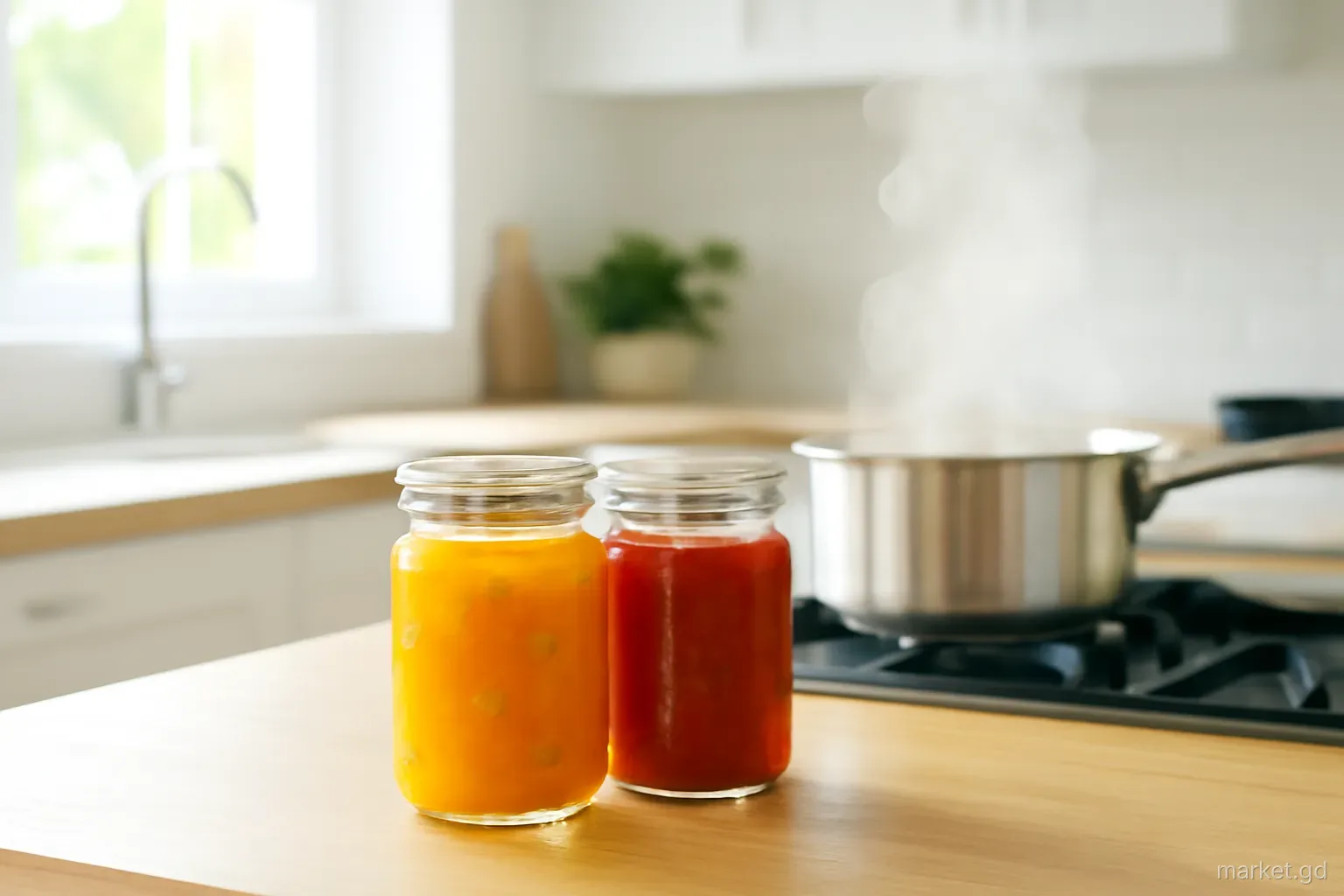
At the peak of the season, when fruit is cheap, many households preserve. Ripe mangoes can be peeled, cut and frozen in portions for juice and smoothies later in the year. Green mangoes become chutney and pickles that keep for months. Mango jam, dried mango slices and mango nectar are made by small processors and families. Buying in bulk at the peak and preserving is one of the most effective ways to stretch a household food budget, provided the freezer space and the time are available.
Where mangoes are sold
In season, mangoes are sold almost everywhere. Market Square in St George's and the Grenville market carry the widest choice, with vendors offering several varieties side by side and willing to explain the differences. Roadside tables multiply along the main roads in every parish, often run by families selling fruit from their own trees, and these can be the cheapest source at the peak. Supermarkets stock local mangoes as well, usually at higher prices but with less need to choose.
Many Grenadians never buy mangoes at all in a good year, because they have a tree in the yard or a neighbour with more fruit than they can use. Gifts of mangoes travel between households, offices and churches through June. Visitors staying in rented villas sometimes find a tree on the property; it is polite to ask the owner or caretaker before picking. For anyone wanting a particular variety, such as Julie for eating, the market is the best place to ask, since vendors know which growers have the better trees and when the next load is due.
Mistakes shoppers and vendors make
Shoppers often buy too many at once in the excitement of the season and then watch half spoil in the heat. Mangoes ripen quickly at room temperature in Grenada; buy what you can eat in a few days, or plan to freeze the surplus. Another mistake is refrigerating unripe mangoes, which can stop them ripening properly and spoil the texture. Ripen them on the counter first, then chill if needed.
Vendors make different errors. Bringing a full load of soft, very ripe fruit to market on a hot day leads to heavy losses. Mixing grades in one heap makes buyers pick through and leave the bruised fruit behind. Picking fruit too early to beat the rush produces mangoes that never ripen to full sweetness, which damages the vendor's reputation. Selling mangoes to visitors without explaining that fresh fruit usually cannot be taken back to their home countries can also cause frustration at the airport or the cruise ship gangway.
Frequently asked questions
What is the most popular mango in Grenada?
Julie and Ceylon are among the most popular, Julie for its sweetness and low fibre and Ceylon for its juicy flesh and wide availability. Starch mangoes and long mangoes are also common, and many villages have their own locally named seedling varieties.
When are mangoes cheapest in Grenada?
At the peak of the season, usually around June, when most trees are bearing at once. Heaps get bigger and vendors cut prices to clear stock. Early and late fruit costs noticeably more because supply is thin.
Can visitors take mangoes home from Grenada?
Most countries restrict imports of fresh fruit to prevent pests, and cruise lines usually forbid bringing fresh produce back on board. Visitors should enjoy mangoes during their stay and choose sealed, processed products such as jams or chutneys to take home, subject to their own country's rules.
What is mango chow?
Chow is a snack of sliced green or half-ripe mango tossed with salt, pepper, garlic, lime juice and herbs such as chadon beni. It is sold in small bags by vendors and made at home, especially early in the mango season.
How should ripe mangoes be stored?
Ripen mangoes at room temperature, then refrigerate ripe fruit if it will not be eaten within a day or two. For longer storage, peel, cut and freeze the flesh in portions. Avoid chilling unripe mangoes, as cold can stop them ripening properly.