A hurricane does not just damage buildings. In a few hours it can strip fruit from trees, flatten banana fields, snap nutmeg and cocoa trees that took decades to grow, wash out farm roads and sink or damage fishing boats. For weeks or months afterwards, what appears on Grenada's market tables, and what it costs, reflects that damage.
This explainer looks at what typically happens to produce supply and prices after a major storm, which crops recover quickly and which take years, how imports and aid fill gaps, and what Hurricane Ivan in 2004 and Hurricane Beryl in 2024 showed about the islands' food system. It is not storm preparation advice; for that, follow the National Disaster Management Agency (NaDMA) and the meteorological service.
The first weeks: shortages, salvage and imports
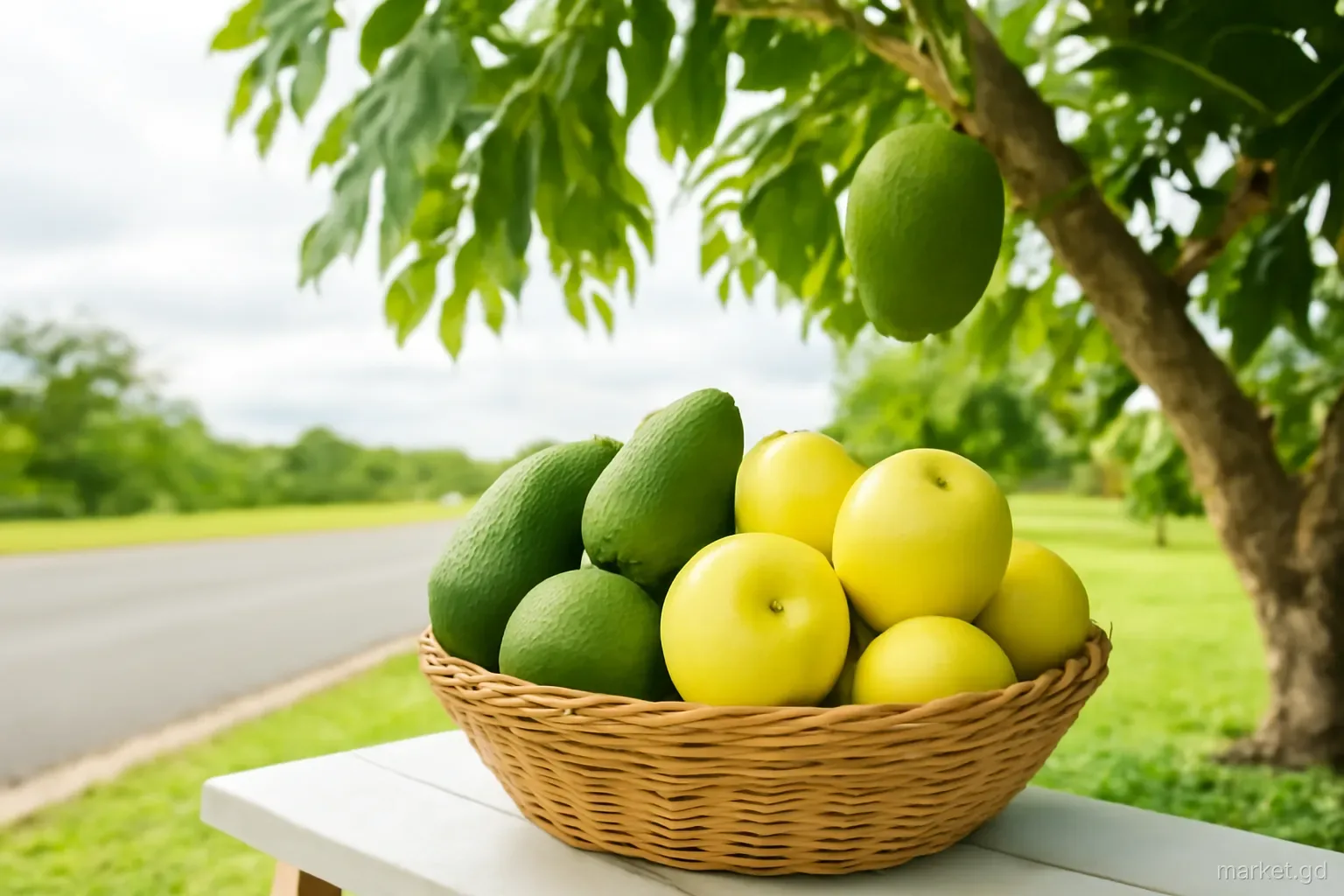
Immediately after a major storm, many markets are closed or reduced, roads are blocked, electricity is out and people are focused on safety, shelter and water. Fresh produce supply drops sharply, both because crops are damaged and because farmers cannot reach the markets. At the same time, a burst of fruit knocked down by the wind, such as breadfruit, mangoes, avocados and green bananas, may be salvaged and sold cheaply or shared, since it will not keep.
Supermarkets and shops that reopen rely heavily on imported and non-perishable goods. Demand for bottled water, tinned food, rice, flour and batteries spikes. Relief supplies from regional and international partners may arrive, coordinated through NaDMA and other agencies. Price gouging is a concern in these periods, and the authorities may intervene on prices of essential goods. Shoppers should report unreasonable prices to the ministry responsible for consumer affairs rather than simply paying.
Which crops come back first
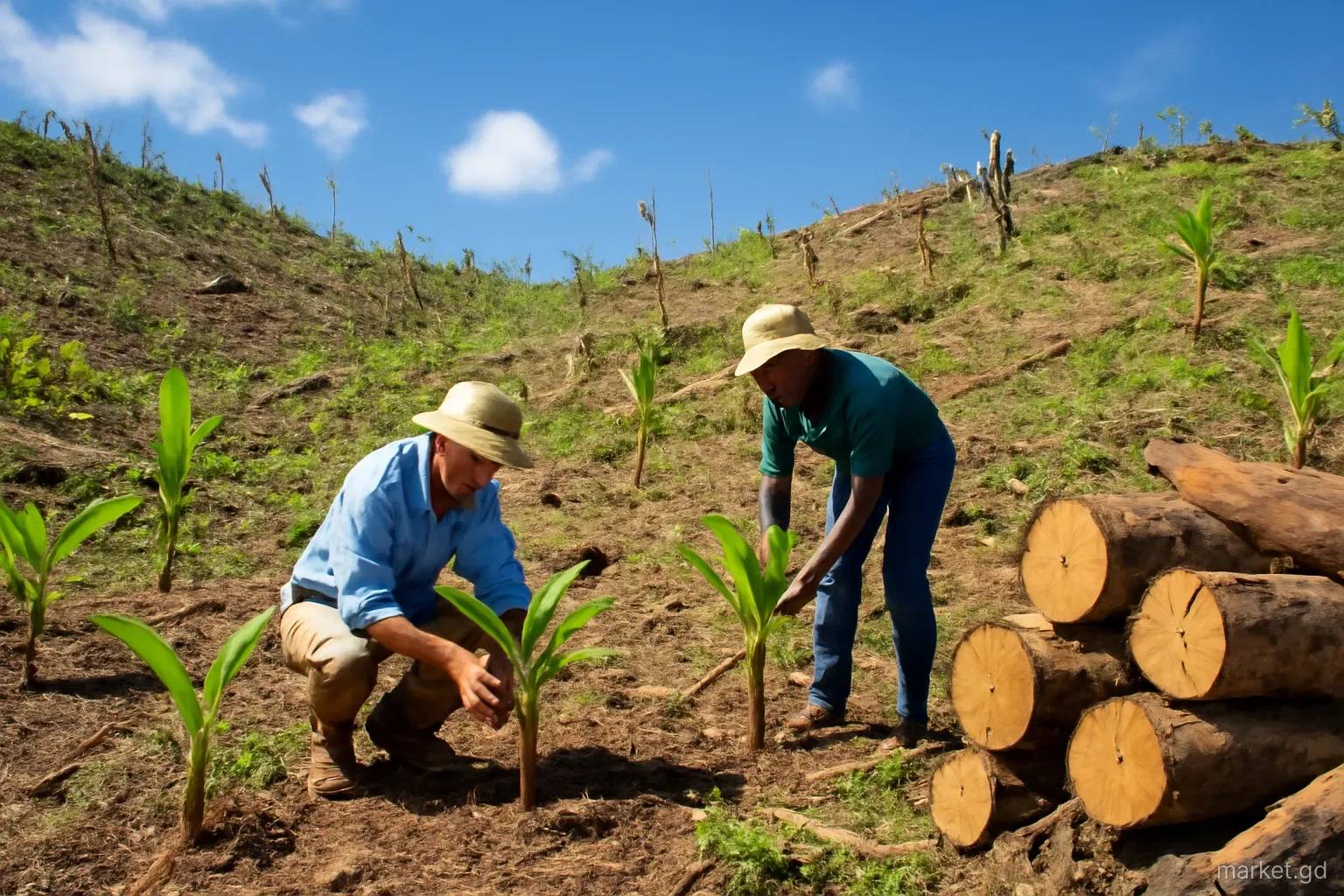
Leafy greens and short-term vegetables. Callaloo, lettuce, bok choy, herbs and similar crops can be replanted and harvested within weeks if seed and water are available. These are often the first local crops to return to the markets.
Bananas and plantains. Banana plants are easily flattened, but they regrow from suckers and can bear again within about a year. Supply returns faster than tree crops.
Ground provisions. Root crops such as dasheen, tannia, sweet potato and cassava often survive wind damage underground, though flooding can rot them. They can be important food sources in the months after a storm.
Fruit trees. Mango, avocado and breadfruit trees may lose a season or more of fruit if they are stripped or damaged, and badly broken trees may never recover.
Spices and cocoa. Nutmeg trees take years to start bearing and many more to reach full production, so heavy damage to nutmeg and cocoa has effects that last for a decade or longer.
Hurricane Ivan: the long tail
Hurricane Ivan struck Grenada on 7 September 2004 as a powerful storm, causing widespread destruction across the mainland. It damaged or destroyed a large proportion of homes and devastated agriculture. The nutmeg industry, a mainstay of the rural economy and of Grenada's identity as the Spice Isle, was hit especially hard, with a large share of trees destroyed. Cocoa and bananas also suffered heavy losses. Hurricane Emily the following year added further damage.
The effect on markets lasted years. Nutmeg output fell dramatically and took a long time to rebuild as farmers replanted and young trees grew. Many farmers left agriculture or switched to quicker crops. In the short term, Grenada relied more heavily on imported food, and prices for local fruit and spices reflected the scarcity. Ivan is still the reference point for Grenadians discussing hurricanes and food security, and it shaped later efforts to diversify farming and plan for disasters.
Hurricane Beryl and the sister islands
Hurricane Beryl made landfall on Carriacou on 1 July 2024 as a very powerful storm, unusually early in the season. Carriacou and Petite Martinique suffered severe damage to homes, infrastructure, vegetation and livelihoods, and parts of the mainland, particularly in the north, also reported damage to crops and buildings. Fishing boats, farms and small businesses on the sister islands were among those affected.
Because Carriacou and Petite Martinique already depended heavily on supplies shipped from the mainland and imported goods, the storm deepened that reliance in the short term. Recovery of local farming, fishing and businesses has been a longer process. Anyone planning to buy from or sell to markets on the sister islands should check the current situation, since availability and prices may still differ from before the storm. The experience also renewed attention to building resilience in local food supply.
Fish and the sea after a storm
Fishing is hit in a different way. Before a storm, fishers haul boats out or move them to shelter, and fishing stops for days. Boats, engines, nets and fish pots can be damaged or lost, and jetties, landing sites and ice plants may need repair. On Carriacou and Petite Martinique, where fishing and boatbuilding are central to life, losses to the fleet after Beryl were a serious blow to incomes as well as to local food supply.
Once boats can go out again, fish often returns to the markets faster than fruit and spices, since the fish themselves are still in the sea. The constraints are equipment, fuel, ice and the ability to get catch to buyers. In the meantime, fish prices tend to rise, and households lean on imported salt fish and tinned fish. Rough seas in the days after a storm, and debris in the water, also keep small boats in port longer than the clear skies might suggest. Support for fishers to replace gear is usually coordinated through the Fisheries Division and relief partners.
How prices behave over the following months
After the initial shock, prices follow the recovery of each crop. Short-term vegetables and greens often become available again within weeks to a couple of months, and their prices ease as farmers replant. Bananas and plantains return over the following year. Tree fruits and spices may remain scarce and more expensive for one or more seasons, and in the case of nutmeg and cocoa, for years.
Imported food fills the gaps but brings its own costs, linked to world prices and shipping. If a storm also damages ports, roads or storage, import costs can rise as well. For households, the months after a storm usually mean leaning more on provisions, imported staples and whatever local crops recover first. For vendors, they mean finding new suppliers, possibly sourcing from farms in less-affected parishes, and adjusting prices to reflect scarcity without alienating customers who are also struggling.
What households and vendors can do
Preparation and flexibility reduce the impact on the kitchen and the stall:
- Keep a modest stock of non-perishables, water and essentials at the start of the hurricane season, not when a storm is already approaching.
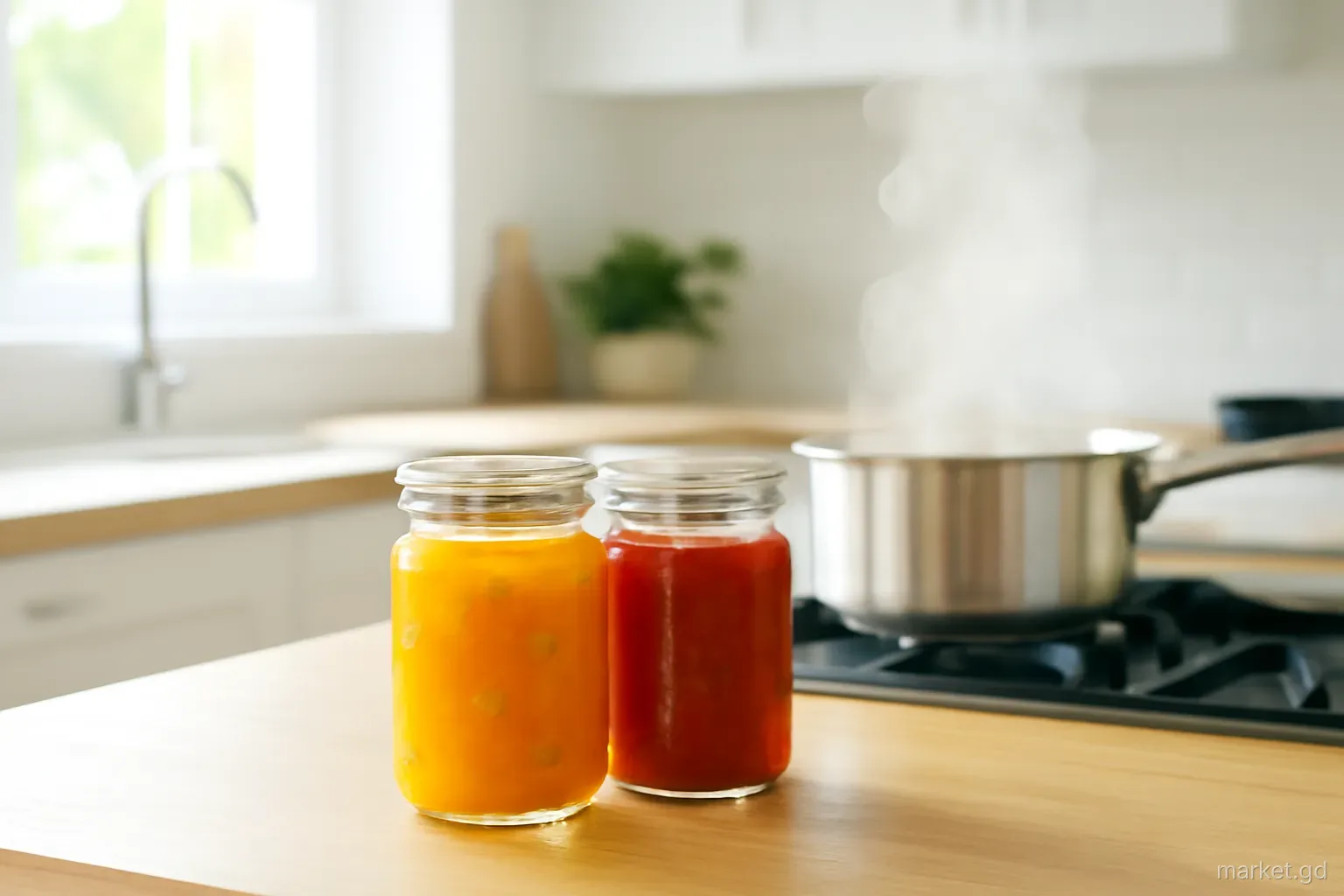
- Know how to preserve salvaged fruit: breadfruit can be roasted and frozen if there is power, and green bananas and provisions keep for some days.
- Vendors: maintain relationships with farmers in different parishes, so that damage in one area does not cut off all supply.
- Farmers: diversify crops so that a mix of short-term and long-term crops spreads risk, and keep records of farm assets for any support schemes.
- Watch for official announcements on price controls and support programmes after a storm, from the government and agencies such as NaDMA and the Ministry of Agriculture.
- Report price gouging on essential goods to the ministry responsible for consumer affairs.
Frequently asked questions
How long does it take for Grenada's produce supply to recover after a hurricane?
It depends on the crop. Leafy greens can return within weeks, bananas within about a year, while fruit trees may lose one or more seasons. Nutmeg and cocoa trees damaged badly can take many years to return to full production.
What happened to Grenada's nutmeg after Hurricane Ivan?
Hurricane Ivan in September 2004 destroyed a large share of Grenada's nutmeg trees. Production fell sharply and took years to rebuild as farmers replanted and young trees matured. The storm is still the main reference point for the industry's vulnerability.
Did Hurricane Beryl affect food supply on the mainland?
Beryl hit Carriacou and Petite Martinique hardest in July 2024, but parts of the mainland, particularly in the north, also reported crop and building damage. The sister islands, already dependent on shipped supplies, were the most affected.
Do prices rise after a hurricane in Grenada?
Prices for fresh local produce usually rise because supply drops, and demand for essentials spikes. Authorities may intervene on prices of essential goods. Prices ease as crops recover, starting with short-term vegetables.
Who coordinates relief after a hurricane in Grenada?
The National Disaster Management Agency (NaDMA) coordinates disaster preparedness and response, working with government ministries and regional and international partners. Follow its announcements and those of the meteorological service before, during and after a storm.