Every crop in Grenada has a moment when there is simply too much of it. Mangoes in June, avocados in the later summer, breadfruit in a heavy flush, peppers after good rains: heaps get bigger, prices fall, and a good share of the crop goes to waste. For households willing to spend a few hours in the kitchen, that glut is the cheapest food of the year.
This guide explains how to spot a glut, which Grenadian produce freezes or preserves well, and simple methods for turning cheap seasonal food into supplies that last for months. It also covers the mistakes that turn a bargain into waste and the basic food safety points that matter in a warm climate. It is aimed at home cooks, though small vendors and processors use the same logic.
How to recognise a glut
The surest sign of a glut is not a lower price but a bigger heap. Grenadian vendors often keep the headline price of a heap steady and simply pile more onto it when supply is heavy. When the heap of plums or tomatoes doubles for the same money, or when roadside tables selling the same fruit appear every few hundred metres, the season has peaked.
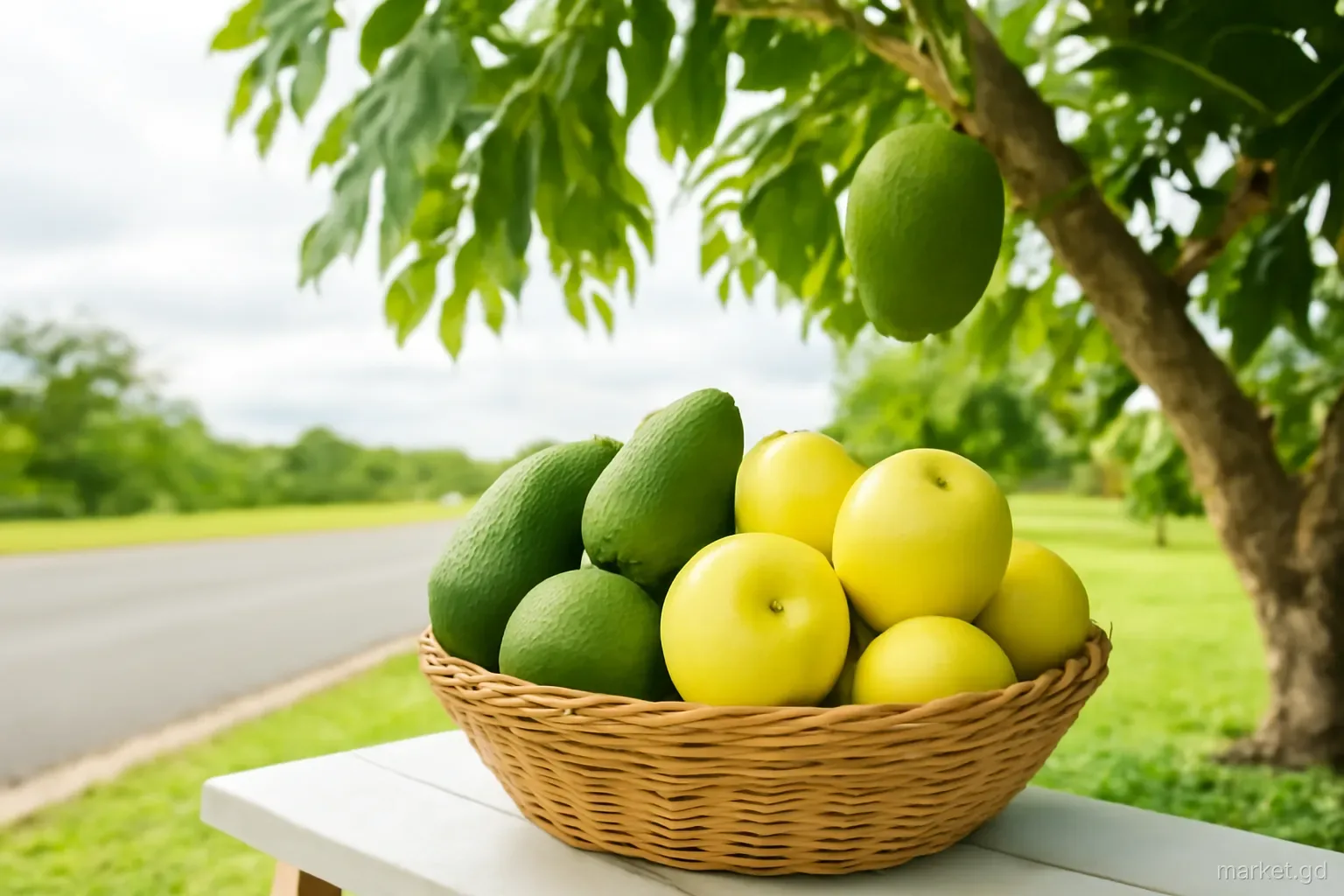
Other signs include vendors offering a bag for a round figure late on a Saturday, neighbours giving fruit away, and supermarkets stocking local produce prominently. Gluts usually last a few weeks at most, so be ready to act. For crops with short peaks, such as mangoes and avocados, the best buying window is often two or three weeks. Talking to a regular vendor helps: they will usually say when a crop is about to peak and when it is winding down, and may offer a better price for buying in quantity.
What freezes well
Mango pulp. Peel ripe mangoes, cut the flesh from the seed and freeze it in portions, either in chunks or pureed. Frozen mango is excellent for juice, smoothies and desserts later in the year.
Breadfruit. Roast or boil breadfruit, peel and cut into portions, then freeze. It reheats well for meals. Raw breadfruit does not freeze as successfully.
Soursop, guava and passion fruit pulp. Scoop out pulp, remove seeds where practical, and freeze in bags or containers for juice.
Pigeon peas and corn. Shell fresh peas, blanch briefly in boiling water, cool and freeze. Corn kernels can be cut from the cob and frozen the same way.
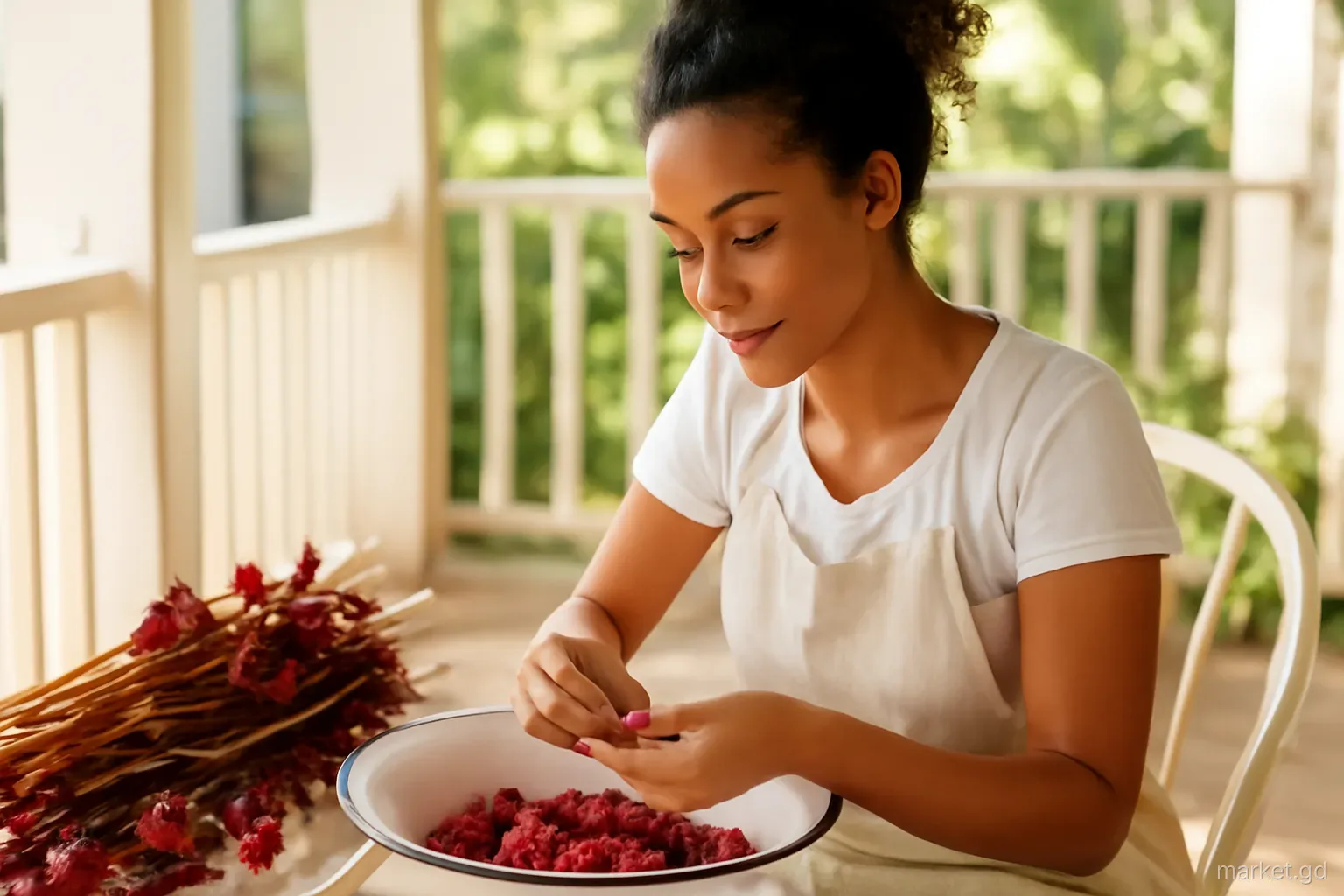
Sorrel. Strip the red calyces from the seed pods and freeze them in bags, ready for making the drink later.
Seasonings. Blend chive, thyme, celery, garlic and seasoning peppers into green seasoning and freeze in small containers or ice cube trays.
Avocado. Avocado does not freeze well whole, but mashed with a little lime juice it can be frozen for use in dips and spreads, with some loss of texture.
Preserving without a freezer
Freezer space is limited in many homes, and Grenada's electricity costs and occasional outages make relying entirely on the freezer risky. Traditional preserving methods that keep food at room temperature are therefore valuable.
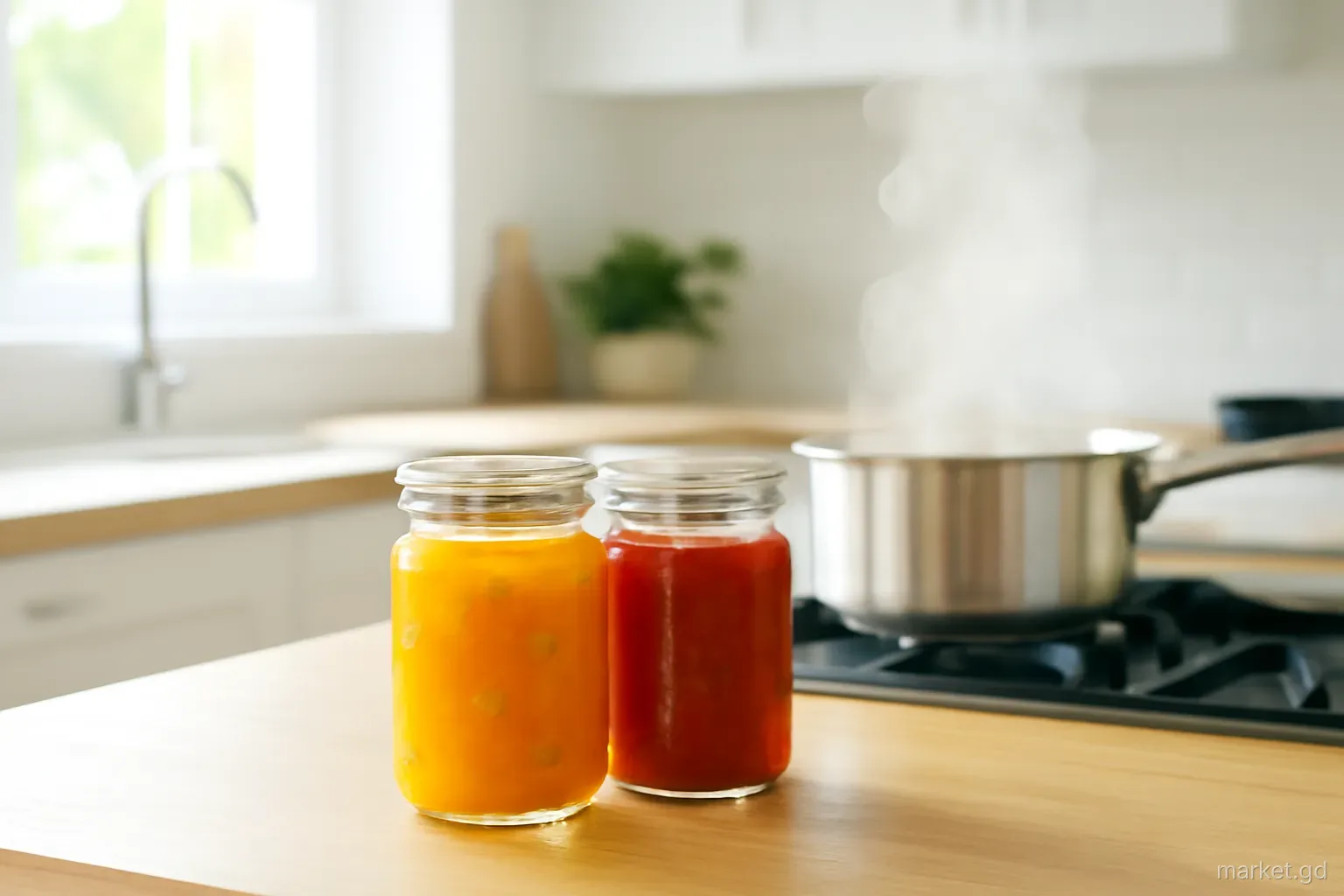
Pepper sauce is the classic. Hot peppers blended with vinegar, mustard, onion, garlic and sometimes green papaya or carrot, then bottled, keep for months, and the vinegar acts as a preservative. Chutneys made from green mango or golden apple, cooked with sugar, vinegar and spices, also keep well when bottled properly. Jams and jellies from guava, mango and other fruit rely on sugar and heat. Nutmeg jelly and syrup, made from the outer fruit of the nutmeg, are traditional Grenadian preserves. Tamarind can be made into sweet tamarind balls. Sorrel concentrate, made by steeping calyces with spices and sugar, can be bottled and stored in the refrigerator for weeks.
Safe bottling at home
Bottled preserves are safe when made carefully. The basics:
- Use clean, undamaged glass jars and new or sound lids. Wash jars thoroughly and sterilise them by boiling for ten minutes or heating in the oven.
- Follow a recipe with enough acid (vinegar or lime juice) and sugar. Acidic preserves like pepper sauce, chutney and jam are much safer than low-acid foods.
- Fill jars while the preserve is hot, leaving a small gap at the top, and seal immediately.
- Label each jar with the contents and date so older preserves are used first.
- Store in a cool, dark place. Once opened, refrigerate and use within a reasonable time.
- Discard any jar with a bulging lid, mould, an off smell or fizzing, unless fizzing is expected for that product.
- Avoid home-canning low-acid foods such as plain vegetables or meat without proper pressure equipment and guidance, because of the risk of botulism.
Budget logic: when bulk buying pays
Buying in a glut makes sense when the saving outweighs the cost of preserving and storing, including time, sugar, vinegar, jars and electricity. For mango pulp bought at the peak and frozen, the saving compared with buying juice or imported fruit later in the year can be substantial. For pepper sauce, using cheap peppers at the peak produces a year's supply for a fraction of the cost of buying bottled sauce.
Bulk buying makes less sense for produce that is cheap all year, such as limes in a normal season, or where freezer space is the limiting factor. Prioritise the items that become expensive in the off-season: tomatoes and peppers in the dry months, mangoes and avocados outside their seasons, and sorrel after Christmas. A simple notebook listing what you bought, what you paid and how long it lasted helps decide each year which preserving efforts are worth repeating.
A year of preserving: a simple seasonal plan
Preserving works best as a rhythm rather than a single heroic weekend. Matching kitchen work to Grenada's produce calendar spreads the effort and keeps the freezer and shelves stocked through the lean months. The timings below are broad and shift with the weather, but the sequence holds in most years.
In the early dry months, citrus and tamarind are good candidates for juice concentrate, marmalade and tamarind balls, and early-year fish bought at a good price can be cleaned, portioned and frozen before Lent. In May and June, mangoes take over: freeze pulp, make chutney from green fruit and bottle jam. As the rains settle in, peppers and seasonings are often plentiful, so this is the time for pepper sauce and frozen green seasoning, and guava jam and jelly can follow as guavas come in. In the later summer and autumn, avocados are cheap but keep poorly, so they are better eaten than stored, while breadfruit flushes can be roasted and frozen. December brings sorrel and pigeon peas, both of which freeze well for use into the new year.
Mistakes that waste the bargain
Glut buying goes wrong in predictable ways. Watch for these:
- Buying more than can be processed in a day or two. Ripe fruit spoils quickly in Grenada's heat; plan the preserving session before buying.
- Freezing produce in large blocks, so that the whole bag must be thawed to use a small amount. Freeze in meal-sized portions.
- Ignoring power cuts. A long outage can thaw a freezer full of food. Keep the freezer full and closed, and know which items to use first if power fails.
- Skipping labels. Unmarked bags of frozen pulp become a mystery after a few months.
- Cutting corners on sterilising jars or reducing sugar and vinegar in recipes, which shortens shelf life and can make preserves unsafe.
- Buying low-quality produce because it is cheap. Bruised or overripe fruit preserves poorly; buy good fruit at a good price instead.
Frequently asked questions
What is the easiest way to preserve mangoes?
Freezing pulp is the simplest method. Peel ripe mangoes, cut the flesh from the seed and freeze in portions, either as chunks or pureed. For green mangoes, chutney or pickles keep well without refrigeration when bottled properly.
Can breadfruit be frozen?
Yes, but it freezes best after cooking. Roast or boil the breadfruit, peel it, cut it into portions and freeze. It reheats well. Raw breadfruit tends to discolour and lose texture when frozen.
How long does homemade pepper sauce last?
Pepper sauce made with enough vinegar and bottled in sterilised jars can last for months in a cool, dark place. Refrigerate after opening. Discard if mould appears or the smell or appearance changes.
Is it worth buying produce in bulk in Grenada?
It pays for crops that are cheap at their peak and expensive later, such as mangoes, sorrel and peppers, provided you have time and storage to preserve them. It is less useful for produce that is cheap all year or when freezer space is limited.
How can preserves be protected during power cuts?
Keep the freezer full and closed during an outage, as a full freezer stays cold longer. Rely on bottled preserves such as pepper sauce, chutney and jam, which do not need refrigeration until opened. Use thawed items first once power returns.