A jar of "Grenada spice" on a souvenir shelf might contain nutmeg grown in St John's and ground in Gouyave, or it might hold imported cinnamon and cloves bought in bulk and repacked with a palm tree on the front. Both can be honest products. The difference matters to a buyer who wants to support Grenadian farmers and processors, and to anyone who cares how fresh the spice inside actually is.
Grenada has a lively agro-processing sector, mostly small firms and family businesses turning nutmeg, cocoa, fruit, pepper and coconut into sauces, syrups, jams, oils and cosmetics. This guide explains how to read the packaging on local products, what the details tell you about who made it and when, and the clues that separate a genuinely local product from a repackaged import.
What the packaging should tell you
Prepackaged food sold in Grenada is expected to carry basic information, and the Grenada Bureau of Standards develops and promotes labelling standards for it. In practice, a well-packaged local product normally shows the product name, a list of ingredients in descending order of weight, the net quantity in metric units, the name and address of the producer or packer, the country of origin, a date mark such as "best before", and any storage instructions.
Small producers do not always meet every element, especially those selling at markets or roadside stalls rather than in supermarkets. A missing detail is not proof of anything bad, but a complete, clearly printed set of information usually indicates a producer who has thought about food safety and wants to sell through shops, which brings more scrutiny.
The address is the first thing to check. A Grenadian producer will normally give a village and parish, such as a district in St Andrew's or St Patrick's, or a business address in St George's. A product that names only an overseas importer or distributor was probably made abroad, whatever the picture on the front suggests.
Products sold for export to North America or Europe often carry fuller labelling, including nutrition information and barcodes, because buyers abroad demand it. Finding such details on a local product is a sign of a producer working at a more established scale, though plenty of excellent small-batch products sold only in Grenada do without them.
Clues that a product is genuinely local
The producer is named and located. A real name and a Grenadian address, rather than just a brand name, is the strongest single indicator.
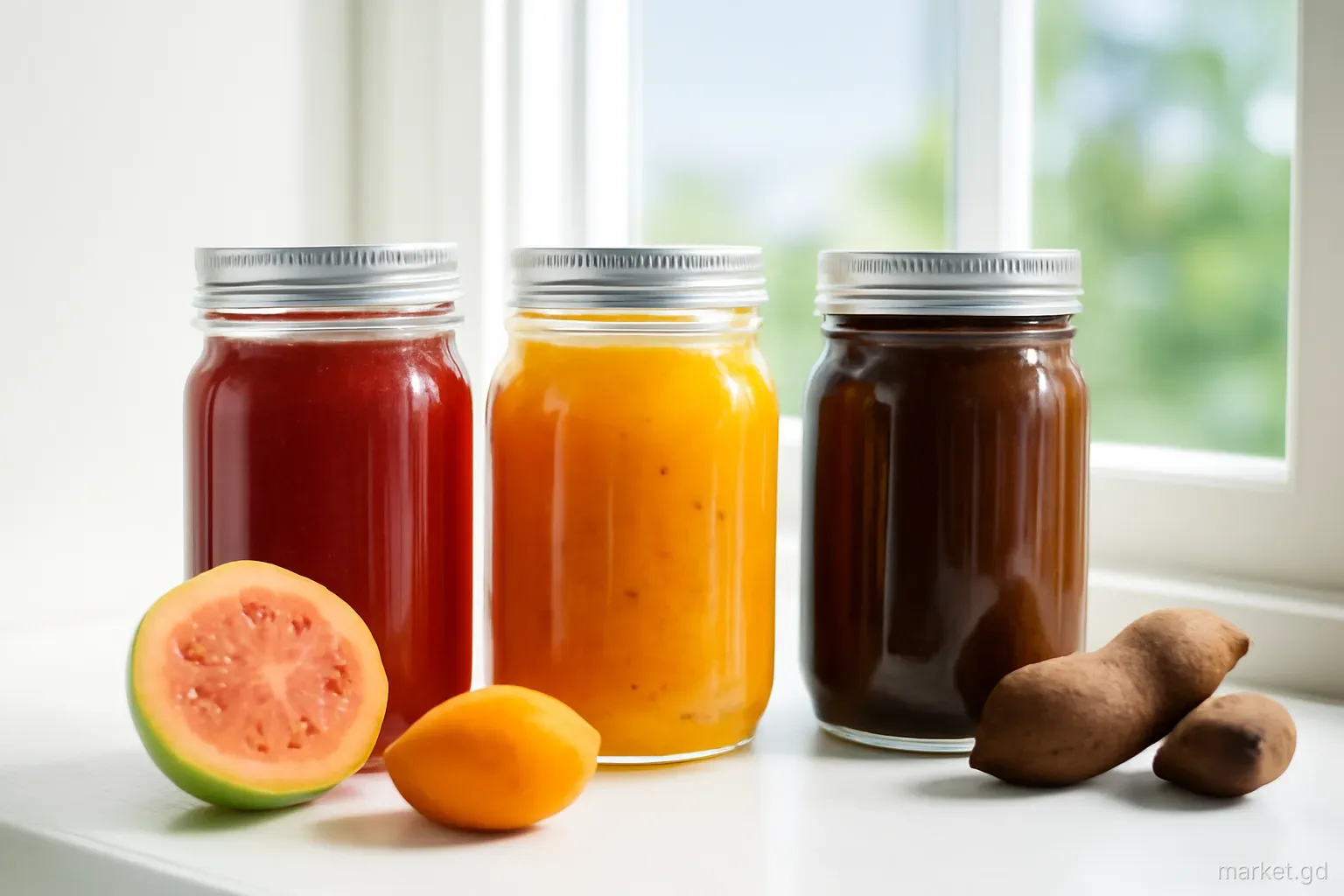
Ingredients match what Grenada grows. Nutmeg, mace, cocoa, cinnamon, bay leaf, turmeric, hot peppers, guava, golden apple, soursop and coconut are all grown on the island. A product built around them is more likely to be locally made than one based on ingredients Grenada does not produce in quantity.
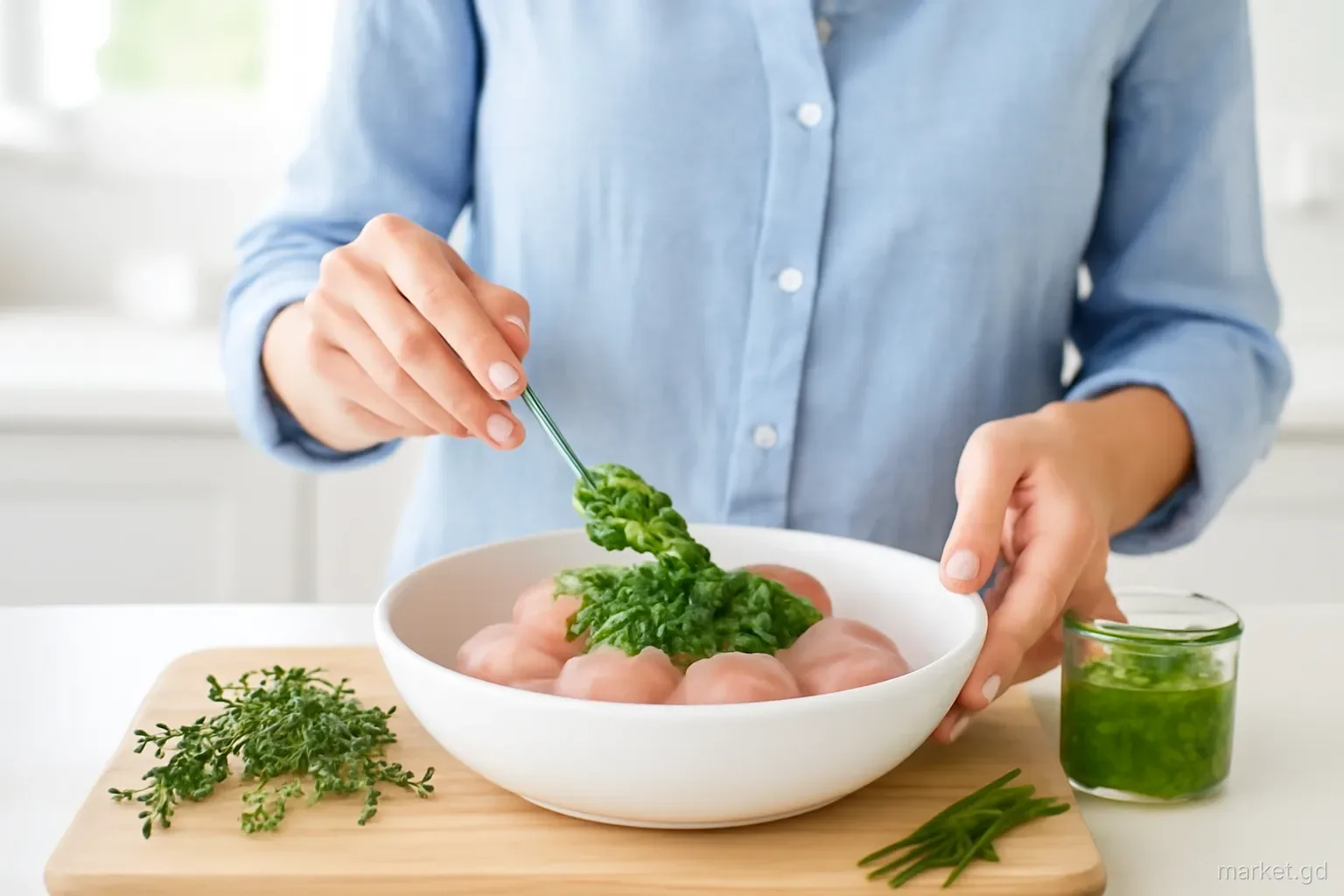
Small batches and simple packaging. Hand-filled jars, batch numbers written by hand and short production runs are typical of small local processors. They are not a guarantee, but they fit the pattern.
Seasonal variation. Some local products disappear for weeks when the fruit is out of season or a producer runs out of jars. Constant, unchanging availability of an obscure fruit product can be a hint that it is imported.
Sold where the producer sells. Products also found at Market Square, at the Marketing and National Importing Board outlets or at local fairs are usually from Grenadian producers.
Repacked imports and blended products
Repacking is legal and common. A business may import spices in bulk, grind or mix them and pack them in Grenada under its own brand. Some blends combine Grenadian nutmeg with imported cinnamon or cloves, because local production of those spices is small relative to demand. Honest producers say so, or at least list the country of origin; less careful ones let the island branding imply more than is true.
The issue is not only authenticity. Ground spice loses aroma steadily after grinding, and bulk imports may have been ground long before they reached a jar. That is why whole nutmeg, still in its shell or freshly cracked, is the surest way to buy Grenadian flavour: it cannot easily be faked and it keeps its oils far longer than powder.
For processed foods such as sauces and jams, the question to ask is where the cooking took place. A sauce made in Grenada with some imported ingredients, such as vinegar, mustard or sugar, is still a Grenadian product; nearly every local processor depends on some imported inputs, from glass jars to lids.
If in doubt, ask. Vendors at Market Square and producers at fairs are usually glad to explain where their nutmeg, cocoa or pepper comes from, and a vague answer is itself informative.
Checking freshness and quality
Once you are satisfied a product is local, the next question is whether it is in good condition. A short checklist helps at the shelf:
- Date marks. Look for a best-before or production date. Products without one may still be fine, but you cannot judge how long they have been on the shelf.
- Seals. Jars and bottles should have intact seals or a lid that has not been opened. A popped safety button on a jar lid is a warning.
- Storage. Products such as sauces and syrups can sit in hot shop windows for months. Choose stock from a cool shelf rather than the display in the sun.
- Colour and separation. Some settling in sauces is normal, but mould, fizzing or a strange smell when opened means the product should be thrown away.
- Spices. Ground spice should smell strongly when the jar is opened. Pale, dusty powder with little aroma is old.
Products with a long way still to go before the best-before date are worth choosing when you plan to carry them abroad or keep them for gifts. A sauce with a few weeks left will not survive a slow Christmas season in a cupboard.
Why buying local matters to the island economy
Grenada imports a large share of its food, and the money spent on imports leaves the island. Buying a locally processed product keeps more of that spending in the economy: it pays farmers for raw materials, pays wages in small processing businesses and supports suppliers such as printers and transport operators.
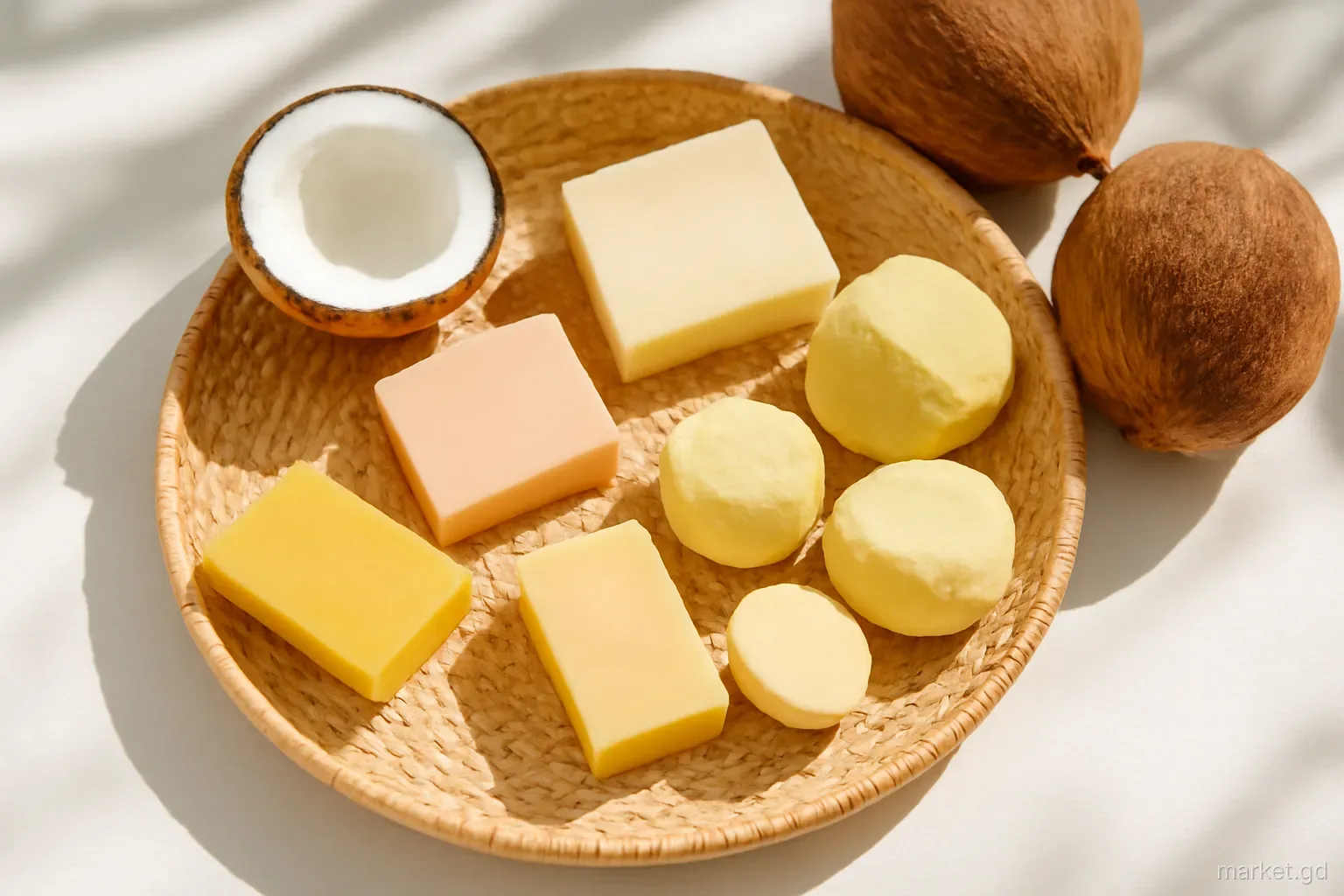
Agro-processing also adds value to crops that would otherwise be sold raw or wasted. Surplus fruit in the mango or golden apple season becomes jam or chutney; nutmeg pericarp, the fleshy outer fruit usually discarded, becomes syrup and jelly; cocoa becomes chocolate and cocoa butter. Each step creates more income from the same harvest.
Support for the sector comes from several directions, including the Grenada Investment Development Corporation, the Grenada Development Bank and the Ministry of Agriculture. For buyers, the contribution is simpler: choose the local product when quality and price are comparable, and give honest feedback to producers at markets and fairs.
Mistakes buyers make
Good intentions can still lead to disappointing purchases. These are the commonest errors:
- Judging by the picture on the front rather than the producer details on the back.
- Buying ground spice in decorative baskets as a cooking ingredient; the spice is often old and the basket is the real product.
- Assuming the airport or cruise terminal shop carries only local products. Many do stock local brands, but alongside imports.
- Ignoring the date mark on syrups and sauces because they "keep forever".
- Buying the cheapest jar of a fruit product without reading the ingredients; some are mostly sugar, colouring and flavouring with little fruit.
- Paying a premium for "organic" or "natural" claims without any certification or explanation behind them.
A better approach is to buy a small jar first, taste it and go back to the producer for more. Many small processors sell repeat customers larger jars or bottles at a better rate, and they value direct feedback on flavour and heat.
Frequently asked questions
How can you tell if spices are actually from Grenada?
Check the producer's name and address on the packaging and the country of origin. Whole nutmeg and mace are the most reliably Grenadian, as the island is a major producer. Blends and ground spices may include imported cinnamon or cloves. Buying from producers or processing stations, rather than generic souvenir packs, improves the odds.
Who regulates food packaging in Grenada?
The Grenada Bureau of Standards develops and promotes standards, including those for labelling prepackaged food, while health authorities oversee food safety in production. Small market producers may not meet every requirement, but products sold through supermarkets are expected to carry the main information, including ingredients, quantity, producer and date marking.
Is a product packed in Grenada the same as made in Grenada?
Not necessarily. Some businesses import ingredients in bulk and pack or blend them locally. That is legal and can be a good product, but it is different from something grown and processed on the island. The ingredients list and country of origin details usually make the distinction clear.
Do Grenadian products have a national quality mark?
Grenada has worked on standards and certification through the Grenada Bureau of Standards, and some products carry certification or awards. There is no single universal mark on every local product, so rely on the producer details, ingredients and date marks, and ask the seller where the product was made.
Why do local products sometimes cost more than imports?
Small producers buy jars, lids and many inputs in small quantities at higher cost, often imported themselves, and they cannot match the scale of large overseas factories. Raw materials such as fruit and pepper vary in price with the season. The premium pays for fresher products and keeps money in the Grenadian economy.