Dark chocolate starts to soften at around 28 degrees Celsius and melts in the low thirties. Grenada sits at those temperatures for much of the year, and a parked car, a beach bag or a sunny windowsill goes well beyond them. Buying a dozen bars of Grenadian chocolate as gifts and arriving home with a dozen misshapen, streaky slabs is one of the most common souvenir disappointments on the island.
It is avoidable. Chocolate survives the trip well if you buy it at the right moment, keep it cool and dry while you are here, and pack it with a little thought. This guide covers timing, storage in hotel rooms and rental cars, packing for the flight, what customs at home usually allows, and how to rescue chocolate that has softened or bloomed. The advice applies to bars, nibs and cocoa balls alike, though cocoa balls are far more forgiving than finished chocolate.
Why heat ruins good chocolate
Fine chocolate is tempered: heated and cooled in a controlled way so the cocoa butter sets in a stable crystal form. That is what gives a bar its gloss, its clean snap and its smooth melt. When chocolate gets warm enough for the cocoa butter to soften and then cools again uncontrolled, the crystals reform in less stable shapes. The result is fat bloom, a grey or white streaky surface, and a crumbly or waxy texture.
Humidity causes a different problem. If cold chocolate meets warm, moist air, condensation forms on the surface, dissolves a little sugar and leaves a dusty white film when it dries. That is sugar bloom, and Grenada's humid air makes it easy to trigger, especially when bars move from an air-conditioned room or fridge straight into the outdoors.
Neither form of bloom makes chocolate unsafe. But the texture and appearance suffer, and the experience of a good Grenadian bar is diminished. Since bloomed chocolate is perfectly usable for cooking, it is not wasted, but it is not the gift you intended either.
When and where to buy
Buy near the end of your stay. The fewer days chocolate spends in a holiday room, the better. Many visitors taste on early estate visits and then buy their gift supply on the last day or two.
Buy from cool shelves. Choose bars from air-conditioned shops or from shelves away from windows and doors. Bars displayed in a hot window or on an open stall in the sun may already have been warmed.
Ask for stock from the back. At small shops and producers' outlets, it is reasonable to ask whether there is cooler stock. Producers know their chocolate suffers in heat and will usually help.
Consider the airport. Shops after security at Maurice Bishop International Airport have sold Grenadian chocolate. Selection and prices differ from shops in town, and stock is not guaranteed, but buying there means the bars go straight onto an air-conditioned plane.
Buy only what you can keep cool. A few carefully stored bars arrive in better shape than a bag of thirty squeezed into a suitcase. If you need many gifts, smaller bars or cocoa products spread the risk, and a single insulated pouch can hold a surprising number of flat bars.
Prefer cocoa products that tolerate heat. Cocoa balls or sticks, nibs and cocoa powder are much less sensitive than tempered bars. If you are buying for people who cook, they travel easily.
Storing chocolate while you are in Grenada
Between buying and leaving, the aim is a steady cool temperature without moisture. In practice:
- Air-conditioned room. The best place is a cupboard or drawer in an air-conditioned room, away from windows. If the air conditioning goes off when you leave the room, choose a spot in the shade on the floor, where it stays coolest.
- Fridge as a last resort. If the room is hot, use the fridge, but seal bars in an airtight container or zip bag with the air pressed out, and let them come up to room temperature before opening to avoid condensation.
- Never in a parked car. A car in the sun can exceed 50 degrees inside within minutes. Chocolate left on a seat during a lunch stop will melt.
- Beach and day trips. Leave chocolate behind. If you must carry it, use an insulated bag with a cold pack, and keep it in the shade.
- Away from strong smells. Chocolate absorbs odours. Keep it away from spices, soaps, sunscreen and food in the fridge.
- Keep wrappers intact. Original wrapping protects against light and humidity. Once opened, rewrap tightly.
Packing for the flight
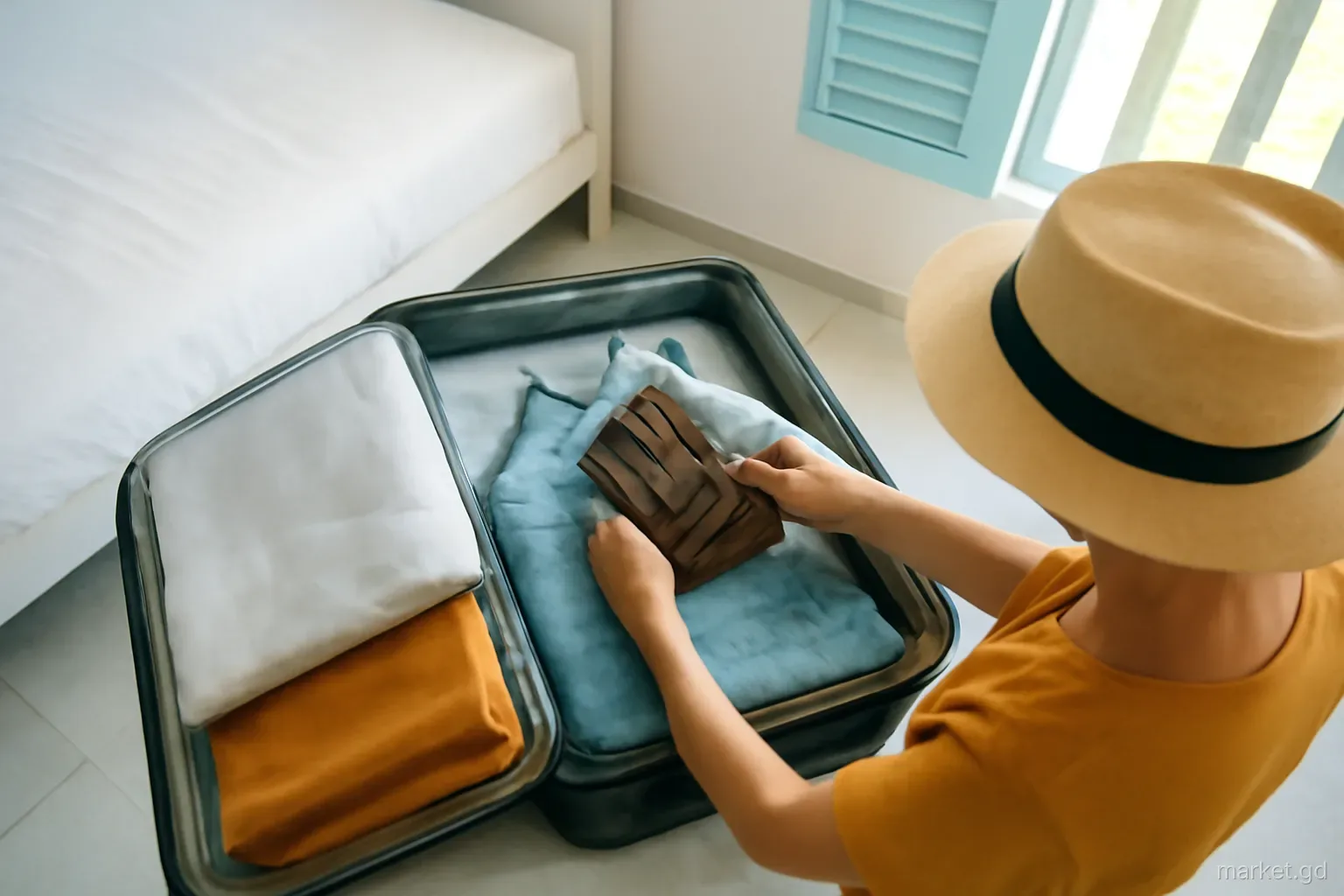
Chocolate generally travels best in the cabin, where temperatures are controlled, rather than in the hold, where bags can sit on hot tarmac. A reliable routine:
- Pack chocolate last, on the morning of departure, straight from the coolest place available.
- Group bars flat in a zip bag or airtight box, so they support each other and are protected from moisture.
- Wrap the bag in clothing to insulate it, or use a small insulated pouch. Clothing slows warming during the taxi ride and time at the airport.
- Carry the chocolate in hand luggage. Solid chocolate is not a liquid and is generally allowed through security in any quantity, but spreads and filled liquids may count towards liquid limits.
- Keep the bag out of direct sun at the airport and on transfers, and avoid placing it on the floor near a window.
- On arrival, let the chocolate rest in a cool room before handing it out, and if it feels soft, let it firm up slowly at room temperature rather than in the freezer.
Customs and import allowances
Commercially packaged chocolate is generally permitted into most countries for personal use, including the United States, the United Kingdom, the European Union and Canada. Large quantities can be questioned as commercial imports, and duty-free allowances on goods vary, so if you are bringing back a suitcase full of bars as gifts, check your home country's allowance.
Raw cocoa beans and cocoa pods are treated differently. Fresh pods are plant material and generally prohibited. Fermented, dried or roasted beans may be allowed in some countries and restricted in others. Nibs, cocoa balls and cocoa powder are processed products and usually fine, but declaring them on the arrival form is the safer option where food items are asked about.
Chocolate with fillings that contain meat or dairy products can be subject to extra restrictions in some places. Plain dark chocolate is the least likely to cause any issue. If in doubt, declare it; officers rarely object to packaged chocolate, and declaring removes the risk of a penalty.
Keep receipts for larger purchases, especially if you bought from an airport shop. They show the goods were bought for personal use and make any conversation with a customs officer shorter. If you are travelling onward through another country before reaching home, remember that transit rules can differ from your final destination.
Rescuing chocolate that has softened or bloomed
If the worst happens, the chocolate is still useful. Options depend on how badly it suffered:
- Slightly soft but not melted: let it firm up slowly at room temperature in a cool place. It may be fine.
- Melted and reset in a new shape: it will taste the same but may be crumbly. Break it into pieces for snacking or baking.
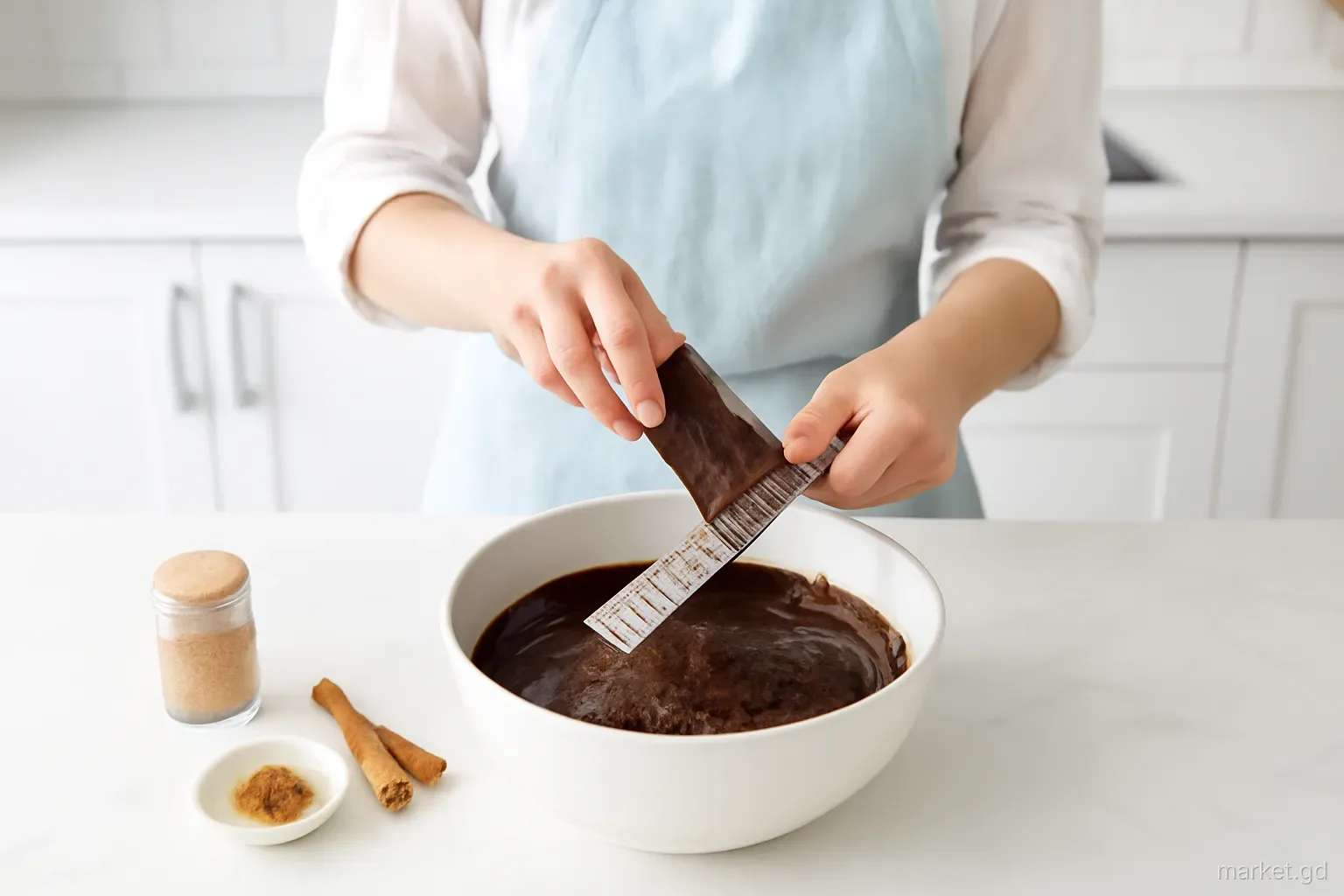
- Bloomed: perfectly safe. Use it for hot chocolate, brownies, cakes or sauces, where texture does not matter.
- Advanced option: chocolate can be re-tempered at home by melting and cooling carefully with a thermometer, then re-moulded.
- Avoid the freezer for rescue; sudden cold causes condensation and more bloom.
- Let recipients know what happened rather than handing over a disappointing bar with no explanation; a recipe idea turns the problem into a useful gift.
Frequently asked questions
At what temperature does chocolate melt?
Dark chocolate begins to soften at around 28 degrees Celsius and melts in the low thirties. Milk chocolate softens at slightly lower temperatures. Grenada's daytime temperatures, and especially closed cars, easily exceed these levels.
Is it better to pack chocolate in hand luggage or checked luggage?
Hand luggage is usually better, because the cabin is temperature controlled while checked bags can sit on hot tarmac during loading. Solid chocolate is generally allowed through security without restriction.
Is it a good idea to keep chocolate in the hotel fridge?
Only if the room is hot. Seal the chocolate in an airtight container first and let it return to room temperature before opening, so condensation does not form on the surface and cause sugar bloom.
Can Grenadian chocolate go into the United States?
Commercially packaged chocolate is generally allowed for personal use. Declare food items on arrival and check limits if you are carrying a large quantity. Raw cocoa pods are plant material and not permitted.
Is bloomed chocolate safe to eat?
Yes. Bloom is a change in the cocoa butter or sugar on the surface, not spoilage. It affects texture and appearance. Use bloomed chocolate for baking, hot chocolate or sauces, where the difference disappears.