On a Grenadian table, the pepper sauce bottle sits next to the salt. It goes on fish, chicken, rice, bakes, souse and fried plantain, and in many households a spoon of it also goes into the pot. Almost every family has an opinion on how it should be made, and the shelves of supermarkets and market stalls show the range: bright yellow mustard-based sauces, fiery orange mashes, chunky sauces with vegetables, and thin vinegar-heavy ones that sting more than they burn.
This guide explains what goes into Grenadian pepper sauce, the main styles you will meet, how to judge heat and quality from the bottle, and how to store sauce so it stays safe. It focuses on bottled sauce as a local product; homemade versions follow the same logic, with the same cautions about acidity and hygiene.
What goes into the bottle
The heart of any Grenadian pepper sauce is hot pepper, usually a bonnet-type chilli similar to the scotch bonnet, with the fruity aroma and high heat typical of Caribbean peppers. Some producers also use smaller bird peppers, which are extremely hot, or blend in milder seasoning peppers, which add flavour with little heat.
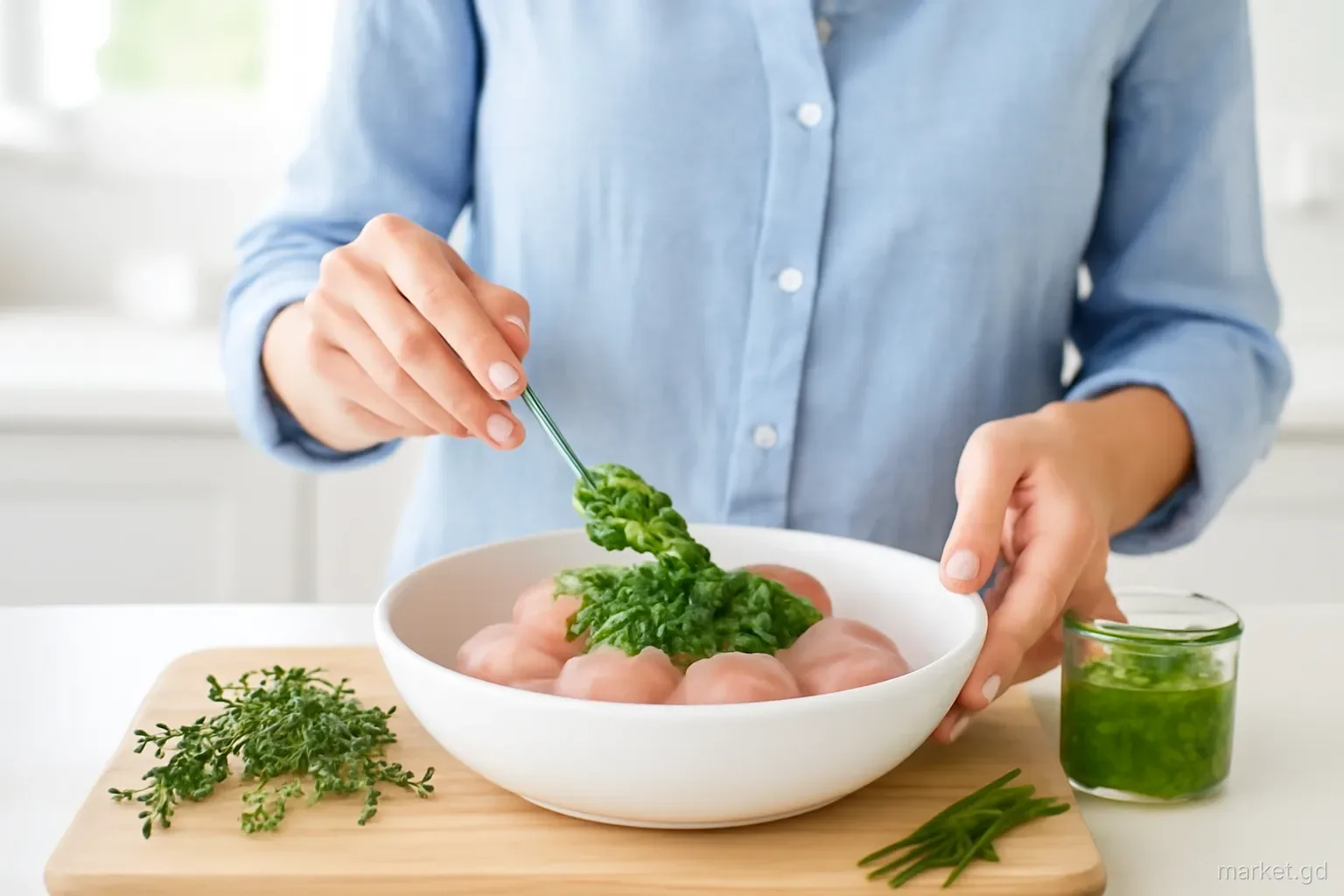
Vinegar provides acidity, which is essential both for taste and for keeping the sauce safe. Many recipes add prepared mustard, which gives the yellow colour and a tangy edge. Turmeric, known locally as saffron, is often used for colour and earthiness. Onion, garlic, chive, thyme and salt are common, and some producers add green pawpaw, carrot or cucumber for body, or a little lime and sugar to balance the sharpness.
The proportions are what make one sauce different from another. A sauce heavy on mustard and vinegar tastes bright and sharp; one dominated by pepper mash tastes fruity and burns longer; one thickened with vegetables is milder per spoonful but still carries the pepper aroma.
Where the peppers come from matters to producers. Local farmers supply much of the hot pepper used, but supply and price swing with the weather, and a dry spell or heavy rain can send pepper prices up sharply. Some processors buy in bulk when peppers are plentiful and make mash to store, which smooths out production through the year.
The styles you will meet
Mustard-yellow sauce. The most familiar Grenadian style: smooth, bright yellow, tangy from mustard and vinegar, coloured with turmeric. Good with fish, chicken and fried food.
Pepper mash. Mostly pepper with salt and vinegar, sometimes left to ferment briefly. Orange or red, very hot, used in drops rather than spoonfuls, and often added to cooking.
Chunky or chow-style. Chopped pepper with vegetables and spices in vinegar, sometimes closer to a relish. Spooned on rice, bakes and sandwiches.
Thin vinegar sauce. A clear or lightly coloured vinegar infused with whole or sliced peppers. Shaken over food at the table; the bottle is often topped up with vinegar over weeks.
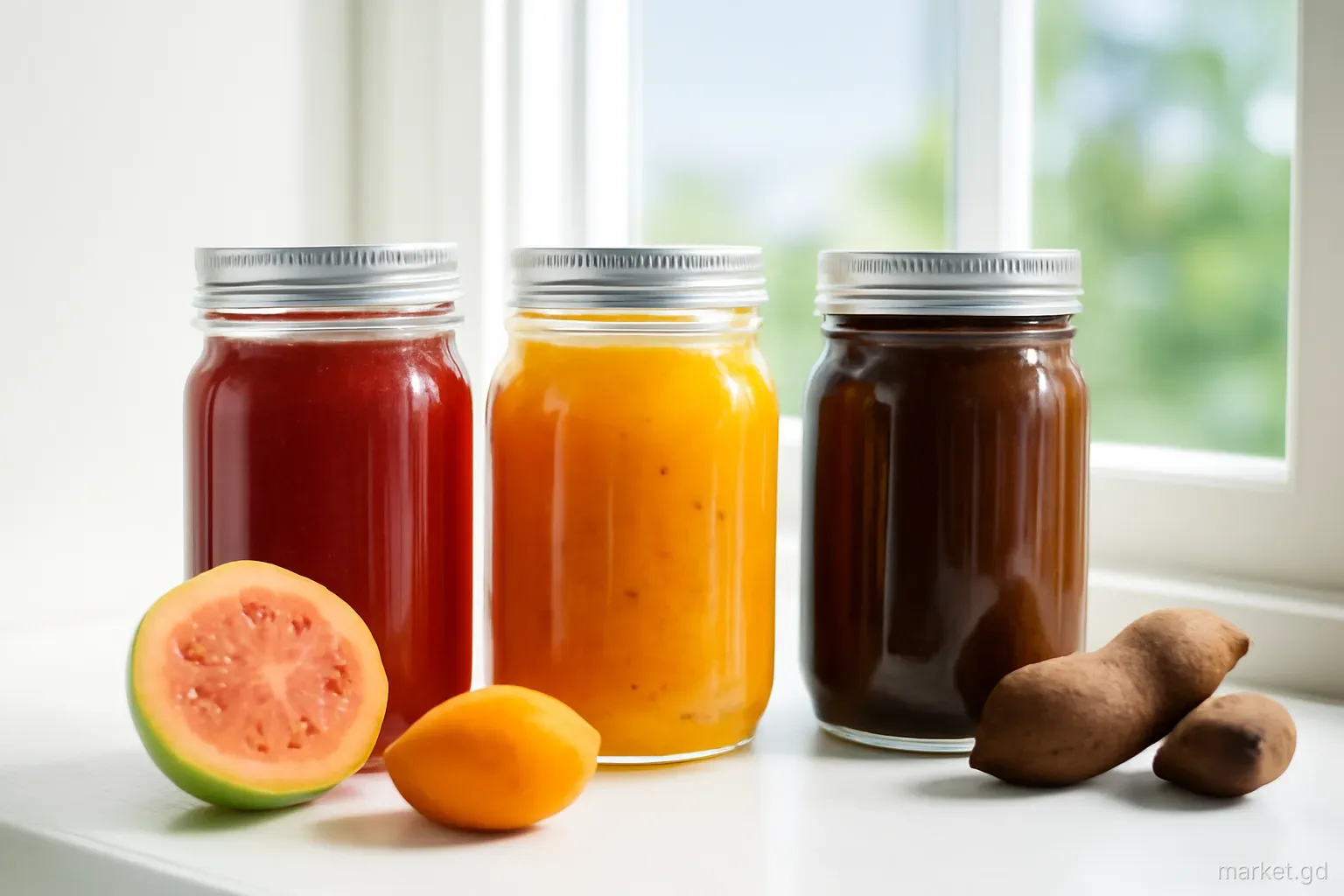
Fruit-based sauces. Pepper sauces built around mango, pawpaw, tamarind or pineapple, sweeter and less sharp. Popular with visitors and good with grilled meats.
Within each style, producers add their own signatures: a touch of nutmeg or clove, extra garlic, a squeeze of sour orange, or herbs such as chive and thyme. That is why tasting several bottles is the only real way to find a favourite.
Judging heat and quality from the bottle
Heat levels are not standardised. "Hot" from one producer may be milder than "mild" from another, and the same producer's sauce can vary between batches depending on the peppers. Colour gives clues: deep orange and red sauces with little else in them tend to be hottest, while yellow sauces with a lot of mustard are usually more manageable.
The ingredients list helps more than the name. If pepper is listed first, expect real heat; if vinegar, water or mustard come first, the sauce is likely to be milder and sharper. A short list of recognisable ingredients usually indicates a straightforward recipe; long lists with stabilisers and colouring are more typical of factory sauces.
Look at the bottle itself. A good seal, a date mark and producer details are all positive signs. Separation into layers is normal in natural sauces and is fixed with a shake. Mould, a domed lid or fizzing when opened mean the sauce has spoiled and should be discarded.
Price says little about heat but something about method. Small-batch sauces made with fresh local peppers usually cost more than mass-produced imports, and their flavour tends to be brighter and fruitier.
Tasting pepper sauce sensibly
First-time tasters, especially visitors, tend to underestimate Caribbean pepper. A careful approach avoids a ruined meal:
- Start with a drop on the edge of the plate, not on the food, and taste it with a mouthful of rice or bread.
- Wait half a minute before judging; bonnet pepper heat builds after the first taste.
- Increase slowly. With mash-style sauces, a few drops can season a whole plate.
- Have something starchy or dairy-based nearby; water spreads the heat rather than calming it.
- Wash your hands after touching pepper, sauce or bottle rims, and avoid touching your eyes.
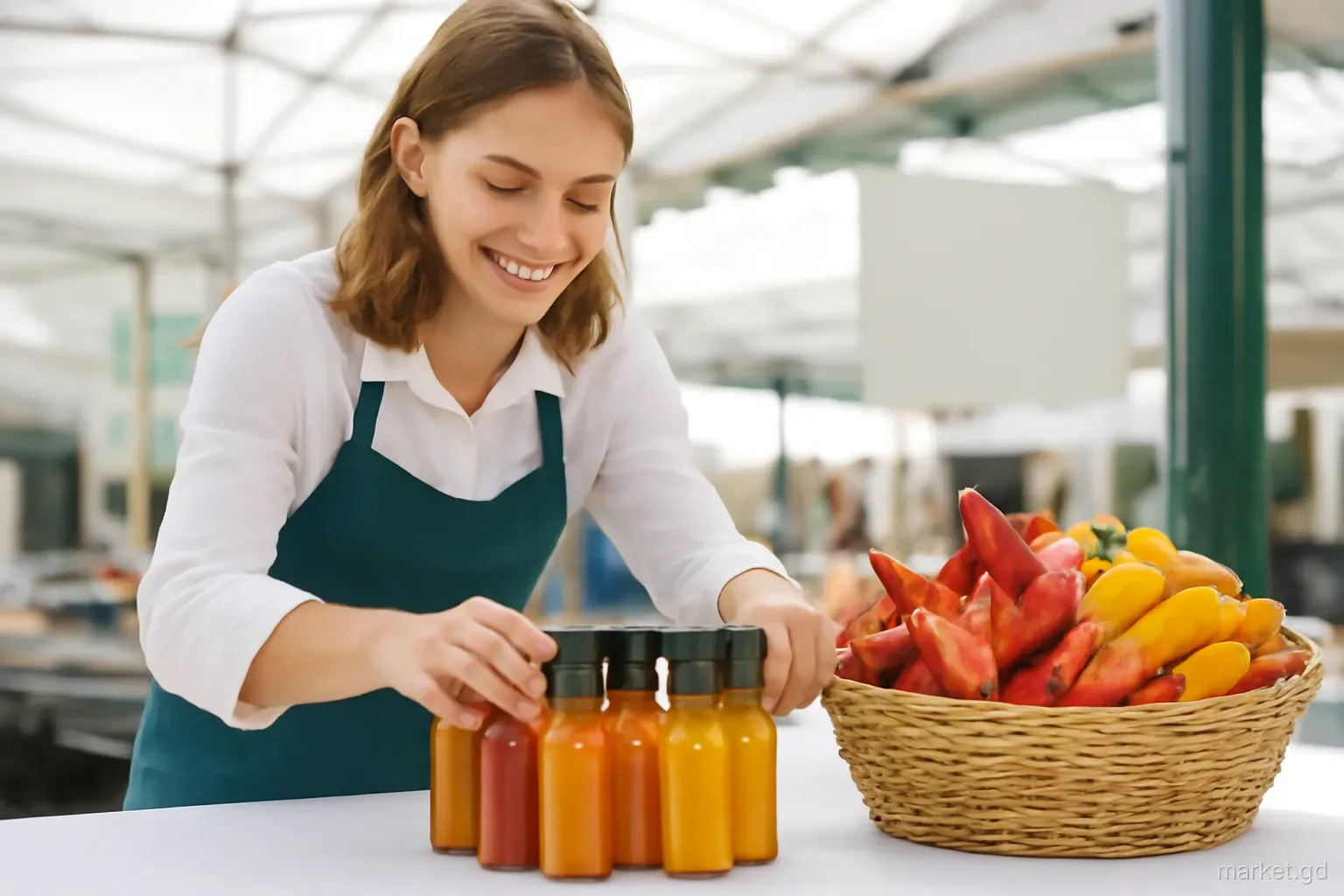
- Once you know your level, ask vendors for a taste before buying a full bottle; many market sellers are happy to offer one.
Pepper sauce is also a cooking ingredient, not only a condiment. A spoon stirred into stewed chicken, lentils or a pot of soup gives warmth and aroma without the sharp first bite of sauce added at the table. Many cooks prefer to add a whole pepper to the pot and remove it before serving, which gives flavour with controlled heat.
Storing pepper sauce safely
Commercial sauces with enough acidity and salt keep well, but they are not indestructible. Unopened bottles should be stored away from direct sun and heat, which degrade colour and flavour. Once opened, refrigeration slows the loss of flavour and helps prevent spoilage; many Grenadian households keep the table bottle at room temperature and use it quickly, with spares in the fridge.
Homemade sauces need more care. Acidity is the key safety factor: sauces low in vinegar or lime, especially those thickened with vegetables or containing garlic in oil, can support the growth of harmful bacteria if stored warm for long periods. Clean, sterilised bottles, enough vinegar and refrigeration are basic precautions.
If you are giving homemade sauce as a gift, tell the recipient when it was made and that it should be kept cold. If you are buying it from a market stall, choose sellers who use clean, sealed bottles and can say when it was made.
Glass bottles with plastic shaker inserts are common for table sauces. Wipe the neck after use, because dried sauce around the insert can harbour mould and makes the cap hard to close properly.
Mistakes people make with pepper sauce
Most problems with pepper sauce are about handling and expectations rather than the sauce itself:
- Pouring before tasting. Bottles with wide necks or loose shakers can deliver far more than intended.
- Carrying sauce in hand luggage. Bottles over the liquid limit will be confiscated at airport security; pack them sealed in checked bags.
- Reusing old rum or soft-drink bottles without proper cleaning, which risks contamination and confusion about what is inside.
- Keeping opened homemade sauce warm for months. Refrigerate and use within a reasonable time.
- Judging all Grenadian sauce by one bottle. Styles vary enormously; try several producers before deciding what you like.
One more caution concerns gifts and children. Brightly coloured fruit sauces can look like jam or syrup to a child, and a mouthful of bonnet pepper sauce is a painful lesson. Keep bottles where small hands cannot reach them and make sure gift jars are clearly marked as hot.
Frequently asked questions
What peppers are used in Grenadian pepper sauce?
Most Grenadian sauces are built on hot bonnet-type peppers similar to the scotch bonnet, which are fruity and very hot. Some producers add tiny bird peppers for extra heat or mild seasoning peppers for aroma. The exact varieties depend on the producer and what local farmers are growing at the time.
Why is Grenadian hot sauce yellow?
The yellow colour usually comes from prepared mustard and turmeric, known locally as saffron. Mustard adds tang and body, while turmeric adds colour and an earthy note. Sauces made mainly from pepper mash are orange or red instead, and tend to be hotter per spoonful than mustard-based ones.
Does pepper sauce need to be refrigerated?
Commercially made sauces with plenty of vinegar keep well, but refrigeration after opening preserves flavour and colour and reduces the risk of spoilage. Homemade sauces, especially those low in vinegar or containing vegetables, should be kept refrigerated and used within a reasonable time. Discard any sauce showing mould or fizzing.
Can you take Grenadian pepper sauce home on a plane?
Yes, in checked luggage, sealed and wrapped against leaks. In hand luggage, bottles over the airport liquid limit will be confiscated at security unless bought airside. If posting or couriering sauce abroad, check the destination's food import rules and pack each bottle in its own sealed bag.
How hot is Grenadian pepper sauce compared with others?
Many Grenadian sauces are hotter than typical supermarket hot sauces in North America or Europe, because they use bonnet-type peppers in quantity. Heat varies hugely between brands and batches, though, and mustard-heavy or fruit-based sauces can be fairly mild. Taste a drop first.