Ask a Grenadian vendor why tomatoes cost so much in April and the answer is one word: drought. Ask why the fish stall is half empty on a stormy October Saturday and the answer is the sea. Weather is the single biggest force behind what appears on market tables and what it costs, and Grenada's two broad seasons, dry and rainy, shape the pattern every year.
This explainer sets out how each season affects supply of vegetables, fruit and fish, why the effect is stronger on some crops than others, and what shoppers, restaurants and vendors can do about it. The seasons described here are a broad pattern; actual rainfall varies between years and across the island, and the official meteorological service is the source for forecasts and warnings.
Grenada's two seasons in brief
Grenada has a dry season, roughly January to May, and a rainy season, roughly June to December. The dry season brings steady trade winds, sunshine and much less rain, especially in the south and south-west around St George's, Grand Anse and the south coast peninsulas. The rainy season brings heavier, more frequent showers, higher humidity and the hurricane season, which officially runs from 1 June to 30 November.
Rain is not spread evenly. The mountainous interior around Grand Etang and the eastern parishes receive far more than the dry south, and Carriacou and Petite Martinique are drier again than most of the mainland. This means farms in different areas feel the seasons differently. A farmer in the hills of St Andrew may still have moisture when growers near the south coast are struggling, and that spread of conditions helps keep some produce flowing even in a hard dry season.
Why vegetables cost more in the dry season
Many small farms in Grenada are rain-fed. Without irrigation, short-season vegetables such as lettuce, tomatoes, cucumbers, sweet peppers, cabbage and callaloo struggle as soils dry out from February onwards. Yields drop, fewer farmers plant, and supply to the markets thins. By April and May, in a long dry season, these crops can be scarce, and their prices climb steadily.
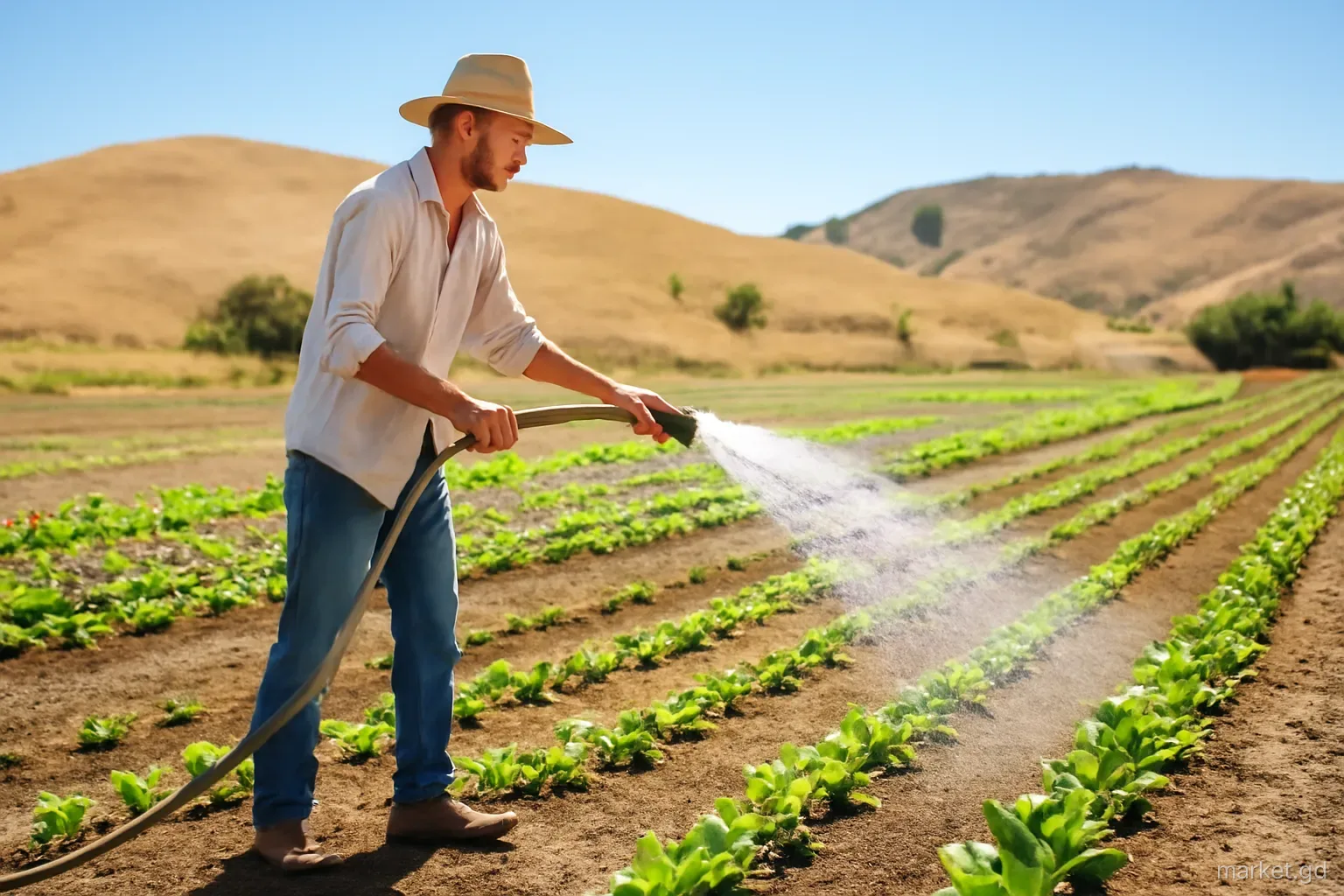
Farmers with irrigation, from ponds, rivers or water tanks, continue producing and capture the higher prices, which is why investment in water storage pays off for vegetable growers. Imported vegetables fill some of the gap, but they arrive with freight costs and have spent days in transit. Supermarkets and hotels lean on imports more heavily in the dry months. For shoppers, the dry season is a time to rely on crops that cope with drought, such as pumpkin, provisions already in the ground, and fruit trees, which have deep roots and often bear well in dry weather.
What the rains bring and take away
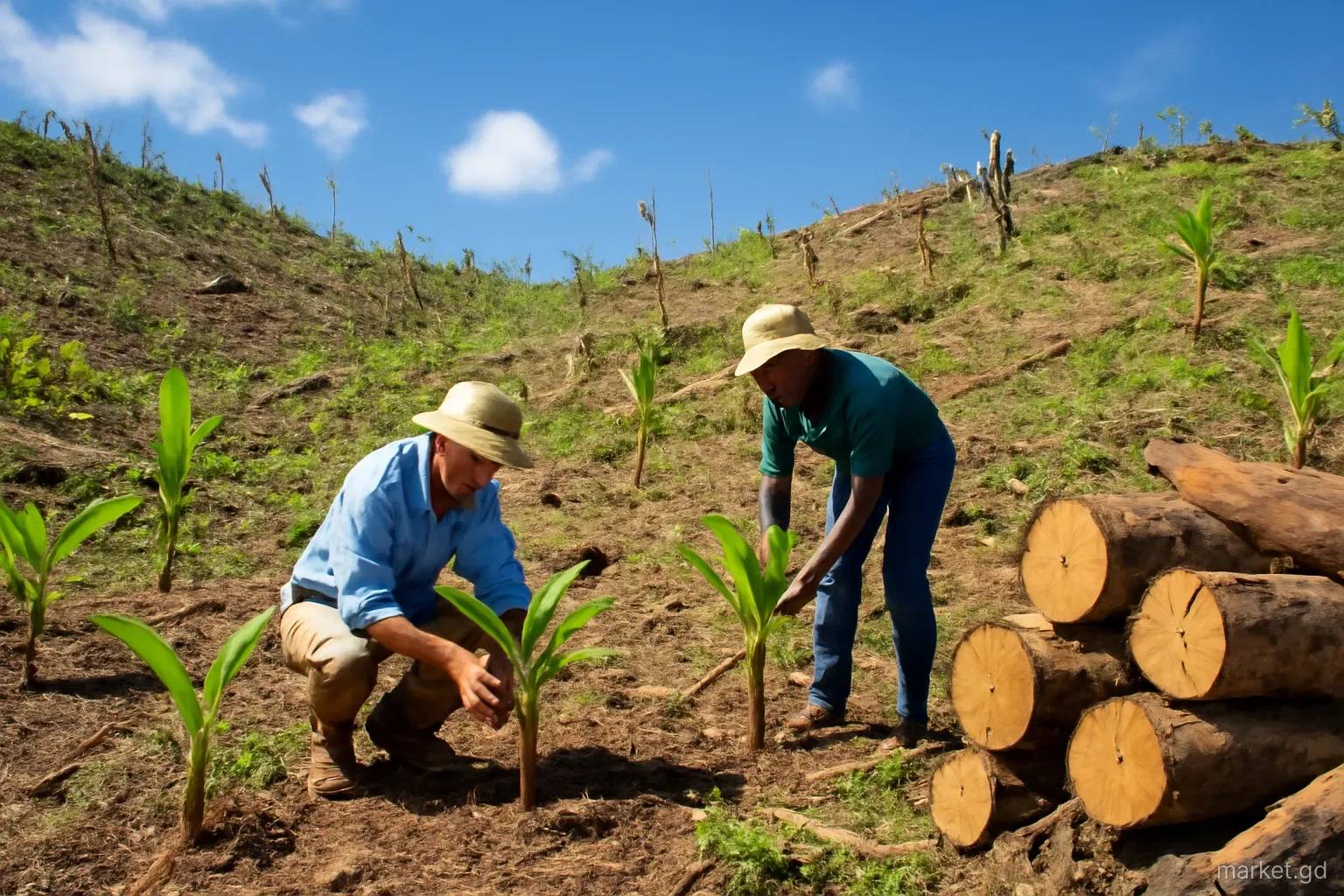
When the rains arrive, usually around June, farmers plant in earnest. After a few weeks, greens and fast crops return, and by the middle of the year vegetable supply recovers and prices ease. The wetter months are generally a good time for callaloo, bok choy, herbs, christophene and pumpkin. Corn and peas planted with the first rains are harvested later in the year.
Rain also brings problems. Persistent downpours rot tomatoes and peppers in the field, encourage fungal disease and wash away seedlings on steep slopes. Muddy farm roads make it hard to reach markets, and some growers lose whole crops to a single heavy event. Very wet weeks can therefore produce short spikes in prices for tender crops, even in a season that is generally well supplied. Shoppers sometimes notice tomatoes that look fine but split or spoil quickly in the wettest weeks; buy smaller quantities and use them sooner.
Fish and the seasons
The pelagic season. Ocean-going fish such as yellowfin tuna, dolphinfish (mahi-mahi), kingfish and wahoo are caught most heavily in the first half of the year, during the drier months. Gouyave and other fishing communities land large catches, and prices for these fish are generally lower at the peak.
Rough weather. Strong winds and swells keep small boats in harbour. On days when the sea is rough, fish stalls have less to sell and prices rise. Tropical storms can halt fishing for days at a time during the hurricane season.
Reef and bottom fish. Snapper, grouper, jacks and other reef species are caught through the year, though supply still varies with the weather and fishing effort.
Lent and festivals. Demand rises during Lent, especially before Good Friday, and around Fisherman's Birthday in late June, which can firm prices regardless of the catch.
Closed seasons. Some species, such as lobster, are subject to closed seasons and size rules under fisheries regulations. Ask the Fisheries Division for current dates rather than relying on old information.
Fruit trees and the weather
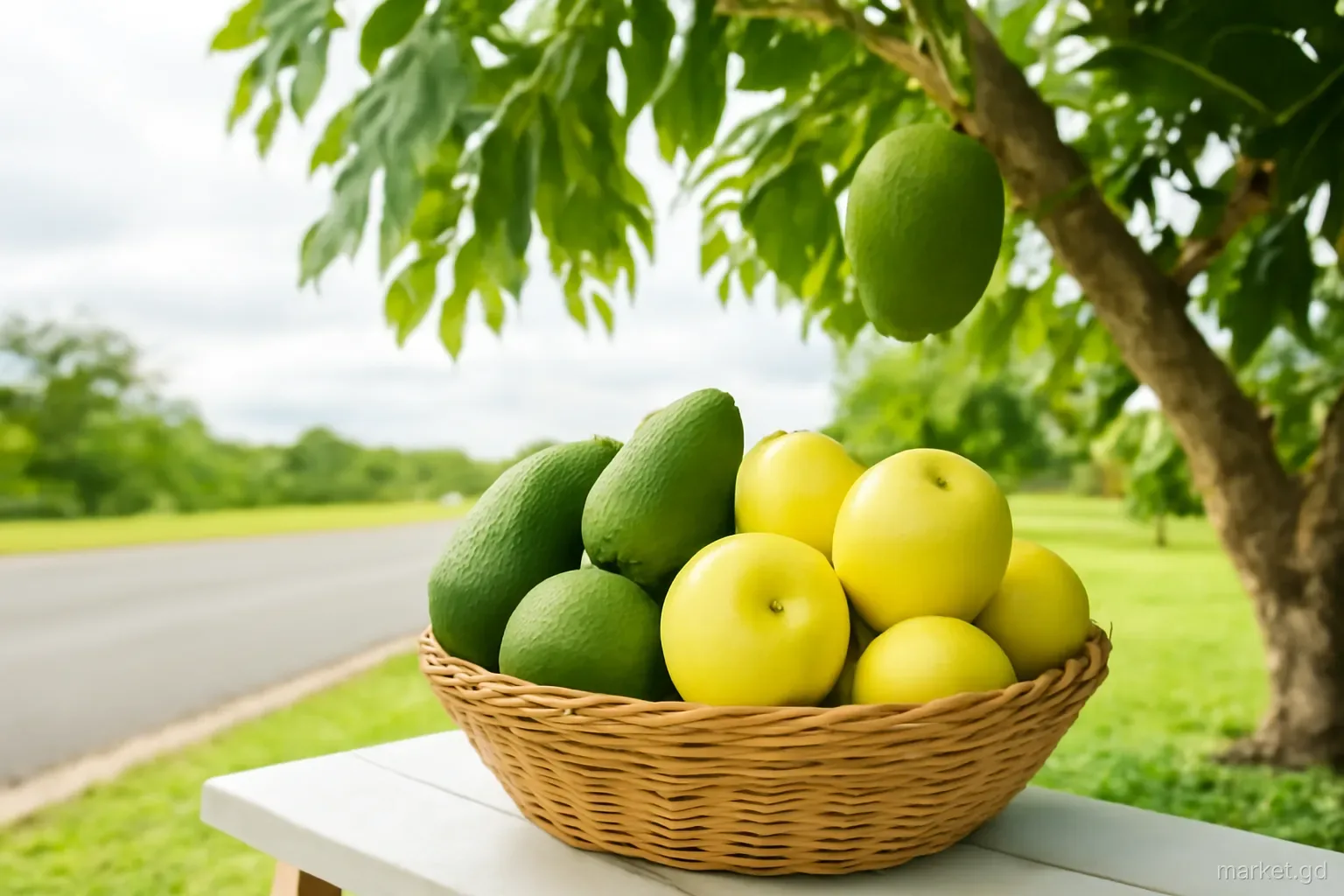
Fruit trees respond to the seasons over longer cycles than vegetables. Many flower during the dry season and set fruit as the rains begin, which is why mangoes, plums and cashews crowd the markets from late spring, and avocados follow in the wetter months. A good dry season with a clean flowering often leads to a heavy fruit crop; rain at the wrong moment can wash off blossom and reduce it.
Tree crops are also the most vulnerable to hurricanes. Strong winds strip fruit and break branches, and a direct hit can destroy trees that took decades to grow. Hurricane Ivan in 2004 flattened a large share of Grenada's nutmeg trees, and the industry took many years to rebuild. When storms damage tree crops, the effect on prices can last for several seasons, not just a few weeks.
Imports, storage and the limits of smoothing
Imports act as the buffer when local supply fails. Onions, potatoes, carrots, cabbage and many fruits arrive by container from North America, South America and other Caribbean territories, and supermarkets and wholesalers lean on them more heavily when the dry season cuts local output. But imports cannot fully replace fresh local crops: they cost more once freight and handling are added, they have travelled for days, and tender items such as lettuce and herbs do not ship well.
Storage helps only a little. Grenada has limited cold storage for fresh produce at farm level, and few small farmers or vendors can hold a crop back for a better price. That is why gluts and shortages show up so quickly in market prices: a heavy harvest has to be sold within days, and a lean week cannot be filled from a store. Long-keeping crops such as yams, pumpkins, dried spices and onions are the exception, and their prices are noticeably steadier through the year. For shoppers, the lesson is that the weather report is also a rough price forecast for the market a few weeks ahead.
Practical tips for shoppers and vendors
Knowing the weather pattern turns into savings and fewer losses:
- Shoppers: build dry-season meals around provisions, pumpkin, breadfruit and fruit, and save salad-heavy menus for the wetter months.
- Shoppers: buy tender vegetables in small amounts in very wet weeks; they spoil faster.
- Restaurants: plan menus with seasonal swaps, and talk to suppliers about which crops will be scarce in March and April.
- Vendors: in the dry season, cultivate relationships with irrigated farms; in the rainy season, carry covers and avoid overstocking soft produce on stormy days.
- Farmers: water storage and simple drip irrigation are among the best investments for dry-season income, when prices are highest.
- Everyone: follow the meteorological service and the National Disaster Management Agency during the hurricane season, and stock non-perishables early in the season, not when a storm is already approaching.
Frequently asked questions
When is the dry season in Grenada?
The dry season runs roughly from January to May, with the driest weather usually in the later months. The rainy season follows from about June to December. Rainfall varies across the island and between years, so treat these as broad guides.
Why are tomatoes so expensive in Grenada in April?
By April a long dry season has reduced output from rain-fed farms, so fewer tomatoes reach the markets. Farms with irrigation supply part of the demand, and imports fill the rest at higher cost. Prices usually ease a few weeks after the rains return.
Is fish cheaper at certain times of year in Grenada?
Pelagic fish such as tuna, dolphinfish and kingfish tend to be most plentiful in the first half of the year, and prices are generally lower then. Rough weather and storms reduce catches and push prices up, and Lent raises demand.
Does the rainy season affect market days?
Heavy rain can reduce the number of shoppers and make some farm roads difficult, so some vendors bring less stock on wet days. During tropical storm or hurricane warnings, markets may close entirely and transport stops.
Which crops do well in the dry season?
Crops already established before the dry season, such as provisions in the ground, pumpkins and deep-rooted fruit trees, cope better than short-season vegetables. Many fruit trees flower in the dry months and set fruit as the rains begin.