The difference between a good market day and a frustrating one is often decided the night before. A vendor who arrives at four in the morning without small change, without a cover for the rain that blows in at nine, or with produce packed so tightly that half is bruised, loses sales that no amount of charm at the stall will recover. Experienced vendors have routines built over years; newcomers have to learn them quickly.
This checklist pulls together the practical side of running a weekend stall in Grenada, from the kit you need and how to handle cash, to coping with sun and rain, arranging a display, getting produce to market and packing up at the end. It assumes you already have permission to use your spot; the permissions themselves are covered in a separate guide on this site.
The basic kit
Most of this can be bought gradually, but the first few items are essential from day one:
- A table or trestle, or sturdy crates and boards that raise produce off the ground. Goods sitting on the floor look less fresh and get dirty.
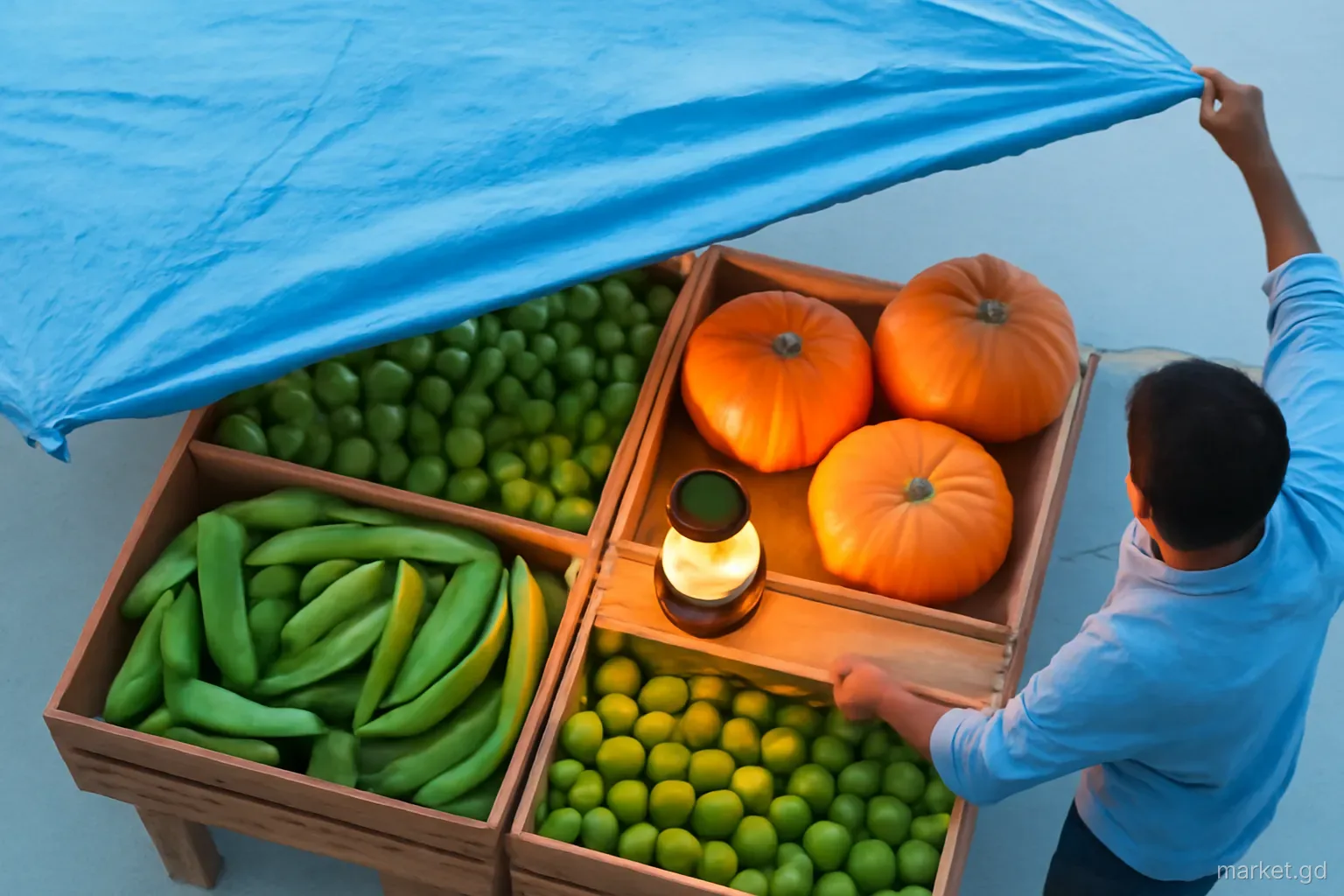
- Shade and rain cover. A large market umbrella or a tarpaulin with ropes and weights. Sun spoils greens within hours and a sudden squall can soak everything.
- A reliable scale if you sell by weight, plus a known test weight to check it at the start of the day.
- A sharp knife and board for cutting pumpkin wedges or trimming produce, kept clean and separate from anything used for raw meat or fish.
- Bags and wrapping. Paper bags, newspaper for wrapping and reusable cloth bags to sell, keeping in mind the restrictions on some single-use plastics.
- A cooler with ice for drinks, herbs or anything that wilts, and a container of water for sprinkling greens.
- A cash box or apron with pockets, kept on your person rather than on the table.
- Cleaning gear: a brush, a bin bag for waste and a cloth. Leaving the space clean keeps you on good terms with the market staff.
Cash, change and payments
Running out of change is one of the most avoidable ways to lose sales. Saturday shoppers often arrive with larger EC notes withdrawn from a bank machine on Friday, and visitors may offer US notes. Collect a float of small notes and coins during the week, from your bank or credit union or by keeping back change from purchases. Decide in advance whether you will take US dollars, and at what rate; the official peg is EC$2.70 to US$1, and most vendors give change in EC currency.
Keep the float separate from takings, and move larger notes out of the cash box into a pocket or pouch during the day so that little money is visible on the table. Count your money at the start and end of the day and write the figures down. If you accept digital payments, check the signal at your spot and keep a phone charged or carry a power bank. A sale lost because a payment would not go through is as costly as one lost for lack of change.
Sun, rain and hurricane season
Grenada's weather shapes every market morning. In the dry season, roughly January to May, the sun is fierce by mid-morning and greens, herbs and soft fruit wilt or scorch on an open table. Shade is not optional, and a damp cloth over leafy produce helps. Keep drinking water for yourself as well; long hours in the heat take their toll.
In the rainy season, roughly June to December, heavy showers sweep in quickly, sometimes several times in a morning. A tarpaulin that can be pulled over the stall in seconds, plastic sheeting for crates and a few weights to stop covers blowing away save stock and money. Wet weather also thins the crowd, so bring less perishable produce on days when rain is forecast. The hurricane season, from June to November, adds another layer: when a storm watch or warning is announced, markets may close and transport stops, so listen to official announcements from the National Disaster Management Agency (NaDMA) and the meteorological service and do not risk stock or your safety for one day's trade.
Display tips that sell more
Height and colour. Stack produce so it rises towards the back, with the most colourful items, such as red peppers, golden pumpkins and ripe mangoes, at eye level.
Grade by quality. Separate the best produce from smaller or riper pieces and price them differently. Buyers trust a stall where quality matches price.
Keep it full. A half-empty table looks like the leftovers. Top up from crates under the table as items sell, and consolidate into fewer baskets later in the day.
Freshness signals. Sprinkle greens with water, trim yellow leaves, and keep herbs in the shade. Remove anything rotten immediately; one bad fruit spoils the look of a pile.
Make it easy to buy. Ready-made heaps and bundles speed up sales, and a few pre-packed bags of mixed seasoning or soup ingredients suit busy shoppers.
Getting produce to market
Transport is a big part of a vendor's costs and a common cause of damaged stock. A smooth routine looks like this:
- Reap or buy produce as close to market day as possible; reap greens and herbs in the cool of the evening or early morning.
- Pack heavy items like provisions and pumpkins at the bottom of crates and soft fruit on top, never crushed into bags.
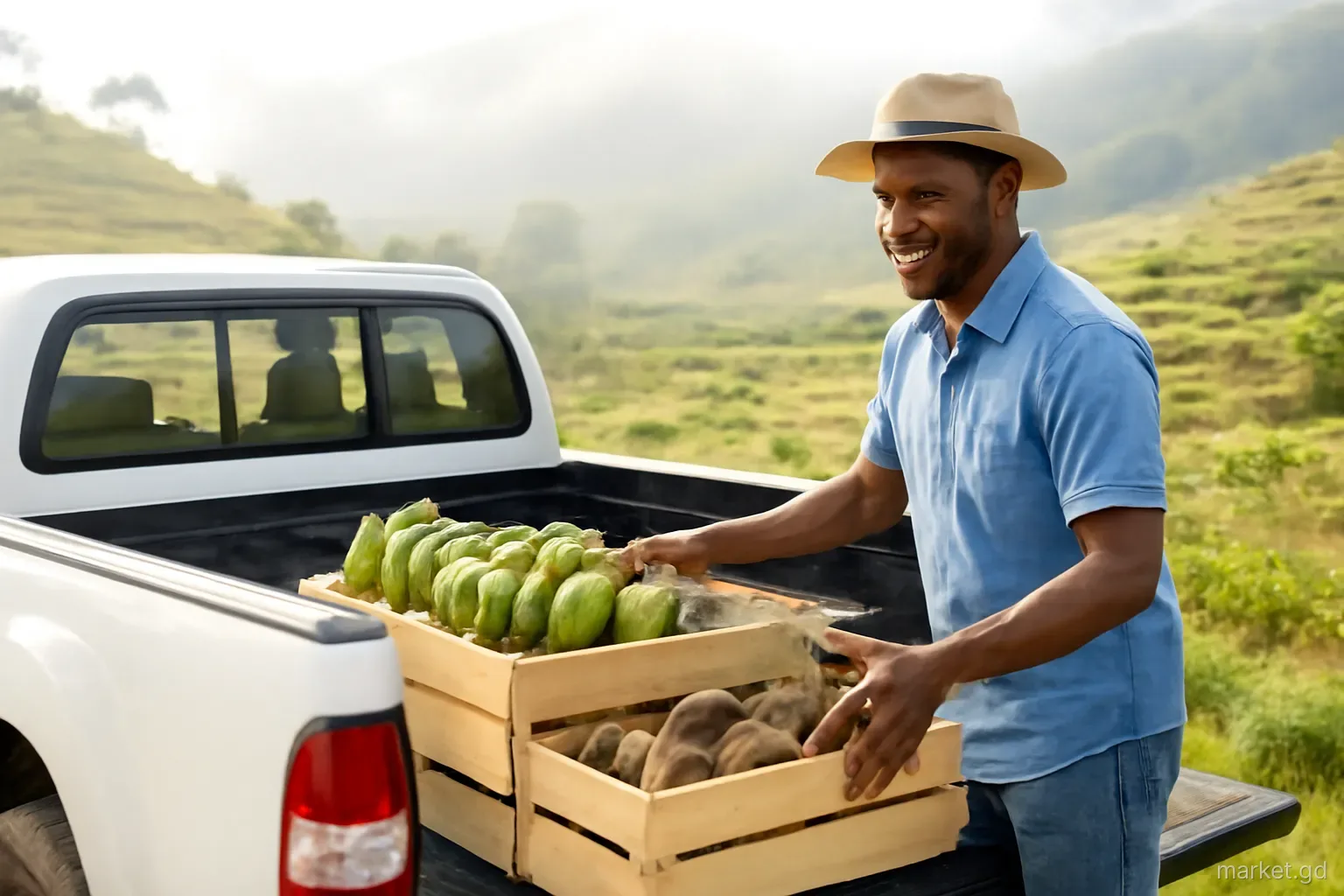
- Arrange transport in advance. Route buses carry vendors and their loads in the early morning, but space is limited and drivers may charge for bulky crates. Sharing a pickup with other vendors from your village is often cheaper and gentler on produce.
- Leave early enough to set up before the first shoppers arrive. In St George's and Grenville the serious buying starts soon after dawn on a Saturday.
- Keep a spare tarpaulin and rope in the vehicle in case of rain on the road.
Closing up and common mistakes
The end of the day matters as much as the start. Decide in advance what you will discount and when, rather than panicking at the last hour. Pack unsold produce carefully, separating anything that will not last until the next market day; it can go for juice, to animals or to a neighbour rather than to waste. Clean the space, take your rubbish with you or use the proper bins, and settle any fees with market staff. Write down your takings and costs while the day is fresh.
The mistakes new vendors make are remarkably consistent: bringing too much perishable stock on a rainy day, arriving after the early buyers have gone, forgetting change, leaving the scale untested, and setting up without shade. Another is working alone with no one to cover a break, which means either closing the stall or leaving it unattended. Agree with a neighbouring vendor to watch each other's stalls for a few minutes when needed. Market life works on these small exchanges of help.
Finally, review each market day briefly at home. Which items sold out early and could have been brought in larger quantity? Which came home again? Did the rain, a ship in port or a public holiday change the crowd? A few lines in a notebook each week build into a picture of your own stall that no general advice can match, and they make the next week's buying and packing far more accurate.
Frequently asked questions
What time should a vendor arrive at the Saturday market?
Serious buyers start early, often soon after dawn, especially in St George's and Grenville. Most established vendors arrive in the dark to set up. Arriving mid-morning means missing the busiest and most selective shoppers.
Can plastic bags be used at a market stall in Grenada?
Grenada has restricted certain single-use plastics and styrofoam under the Non-Biodegradable Waste Control Act, and the list has expanded over time. Paper bags, newspaper wrapping and reusable cloth bags are safe choices. Check current restrictions before buying packaging in bulk.
How much change should a vendor bring?
It depends on prices and volume, but bring enough small notes and coins to change several large EC notes in the first hour, when shoppers often carry bigger bills. Build a float during the week and keep it separate from takings.
What happens to markets when a hurricane threatens?
When a storm watch or warning is issued, markets may close, public transport stops and people prepare their homes. Follow official announcements from the National Disaster Management Agency and the meteorological service, and do not bring stock to market during a warning.
Is it worth investing in a large market umbrella?
For most vendors, yes. Shade keeps greens and fruit fresh for longer, makes the stall more pleasant for customers and protects the vendor. A tarpaulin with ropes is a cheaper alternative and also gives rain cover, but must be well secured against gusts.