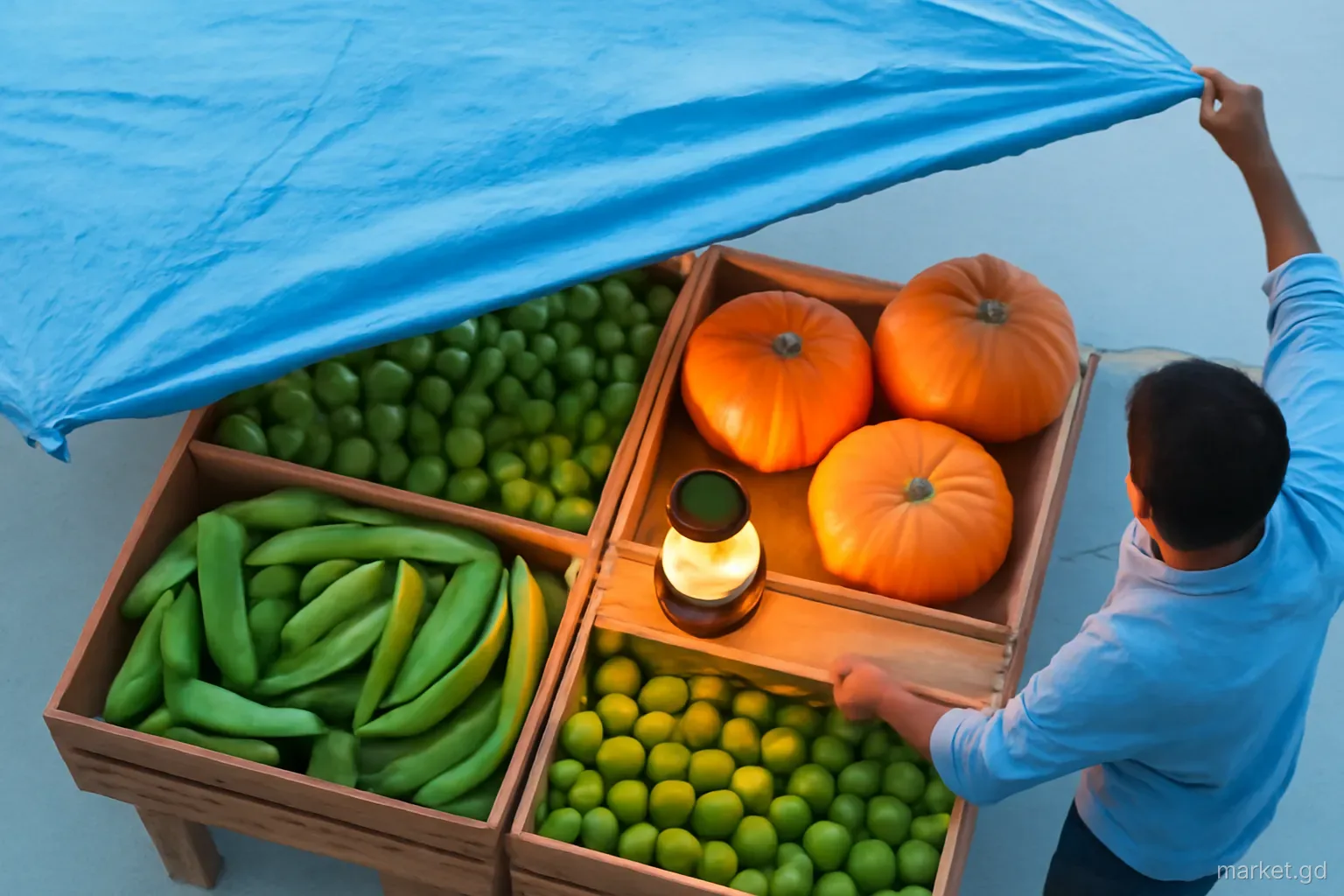
When a large cruise ship ties up in St George's, several thousand visitors can come ashore in a single morning, most of them with only a few hours, a list of things to see and some spending money. For small vendors that is a short, intense window: the right product in the right place can sell more in one ship day than in a week of ordinary trade, while the wrong pitch sees crowds walk straight past.
This guide looks at selling to visitors from the vendor's side. It covers how the tourist calendar shapes trade, where visitors actually spend, which products move, how to handle two currencies, the rules around beach and street vending, and the mistakes that put visitors off. Buyers looking for advice on choosing authentic crafts will find that topic covered elsewhere on this site; this page is about running the stall.
The visitor calendar
Grenada's cruise season broadly runs through the northern winter, from late in the year into spring, with fewer ship calls in the summer and early autumn. The cruise terminal sits on the St George's waterfront, so passengers walking off the ship pass directly into the Esplanade area, close to Market Square, the Carenage and Fort George. On a busy day more than one ship may be in port. The port authority publishes ship schedules ahead of the season, and vendors who follow them plan stock and staffing around ship days rather than guessing.
Stay-over visitors follow a similar winter peak, with additional bumps around Easter, Carriacou's festivals and Spicemas in August, when many Grenadians living abroad come home. The yachting season adds another customer group: sailors base themselves in the south coast bays and marinas and in Tyrrel Bay on Carriacou, particularly during the hurricane season, when insurance terms push many yachts south. They buy fresh produce, bread, fish and services rather than souvenirs.
Within a ship day, timing matters. Passengers tend to stream off in the first hour, scatter on tours and walks, and then return to the waterfront in a rush before the all-aboard time. Many vendors find the return flow better for sales than the arrival, because visitors have seen what is on offer, know what they want and are ready to spend the last of their cash. Keep your best stock back for that final window instead of selling out of the popular sizes in the first half hour.
Where visitors actually spend
The waterfront near the cruise terminal. The first and last stop of every passenger. Competition is intense and space is controlled, so get proper permission before setting up anywhere near the terminal.
Market Square. A short walk uphill from the Carenage. Spice stalls and basket sellers here do well with visitors who want to see a working local market.
Grand Anse. The island's best-known beach has an organised vendors' market with stalls for crafts, spices and clothing, as well as vendors working along the sand. Beach vending is managed, so new sellers need to go through the proper channel.
Tour stops. Popular excursion points such as waterfalls, estates and lookouts draw a steady flow of tour buses. Vendors at these spots usually have arrangements with the site owners or managers.
Yacht anchorages. In bays where yachts anchor, some vendors deliver fruit, vegetables, ice and bread to boats. This works best with reliable, regular service rather than occasional visits.
What sells to visitors
Visitors buy things that are light, travel well and tell a story about Grenada. The steady sellers include:
- Spice baskets and small bags of whole nutmeg, mace, cloves, cinnamon, bay leaf and cocoa balls for cocoa tea. Visitors like to see whole nutmeg still in its mace.
- Locally made chocolate, nutmeg jelly and syrup, hot pepper sauce and jams, in sealed, well-labelled packaging that will get through airport security and customs.
- Fresh coconut water cut on the spot, and cold drinks, especially on hot ship days when passengers are walking between sights.
- Ready-to-eat fruit such as mango slices, pineapple and bananas in season, cleanly cut and covered, for passengers who cannot take fresh produce back on board.
- Small handmade items: jewellery, calabash work, batik, woven pieces and art, ideally made in Grenada and described honestly by the seller.
- Simple services: hair braiding on the beach, short guided walks where permitted, and photographs, all subject to the relevant rules.
- Small, fixed-price bundles. A visitor in a hurry will often buy a ready-made gift pack of spices or sauces at a round figure rather than choose items one by one.
Pricing in two currencies
Visitors often carry US dollars, and many vendors accept them alongside Eastern Caribbean dollars. The exchange rate is fixed at EC$2.70 to US$1, which makes conversion predictable. Quoting a clear price in both currencies, or a US price that converts fairly, avoids the suspicion that comes when a visitor works out they paid far more than the local rate. Change is usually given in EC dollars, which is worth explaining before the sale.
Card payments and mobile payment options are increasingly expected, especially by cruise passengers who carry little cash. Before investing in a card reader, compare the fees with your margins; on small items like a bag of spices the percentage charge can eat a large share of the profit. Some vendors set a minimum spend for cards or price slightly differently. Whatever you choose, display it honestly, because visitors who feel tricked post reviews that hurt everyone trading in that area.
Rules, permissions and conduct
Tourist areas are managed more closely than ordinary roadsides. Vending on beaches, around the cruise terminal and at major sites is generally limited to vendors who hold permission from the relevant authority or site owner, and some schemes involve identification and training. Ask the Grenada Tourism Authority and the ministry responsible for tourism how vendor licensing works in the area you want, and check whether food handler certification is also required.
Conduct matters as much as permission. Visitor surveys across the Caribbean consistently list persistent selling as a reason people stay on the ship or in the resort, and Grenada has worked to keep its reputation for relaxed, friendly encounters. A greeting and a single offer, followed by a cheerful goodbye if the answer is no, sells more over a season than following people down the beach. Vendors who build a good name often get recommended by taxi drivers, tour guides and hotel staff, which is the most valuable advertising available.
Mistakes that cost sales
The biggest mistake is selling things visitors cannot take home. Fresh fruit, plants, seeds and some meat products are restricted by the customs and agriculture rules of the countries visitors return to, and cruise lines often forbid bringing fresh produce back on board. Sealed, processed spice products are a safer choice. Explain this honestly and offer something that can travel.
Other errors include stocking mass-produced souvenirs that visitors can buy anywhere in the region, failing to carry change for US notes, packaging that leaks or breaks in a suitcase, and missing ship days by not checking the schedule. Finally, avoid exaggerated claims about health benefits of spices or sea moss; they invite scepticism and, in some cases, trouble with regulators. Clear, accurate descriptions of what a product is and where it comes from work better.
Frequently asked questions
When is the busiest time for cruise ships in Grenada?
The cruise season runs mainly through the northern winter, from late in the year into spring, with fewer calls in summer. Ship schedules are published ahead of each season, and vendors use them to plan stock and staffing for the busiest days.
Can anyone sell on Grand Anse beach?
No. Vending on Grand Anse and other major beaches is managed, and sellers generally need permission through the relevant authority. Ask the Grenada Tourism Authority or the ministry responsible for tourism how the current licensing works before setting up.
Should vendors accept US dollars?
Many do, using the fixed rate of EC$2.70 to US$1. Make sure you have EC change and explain that change will come in local currency. Clear pricing in both currencies prevents misunderstandings and complaints.
What spice products are easiest for visitors to take home?
Sealed, dried products such as whole nutmeg, mace, cinnamon sticks, cloves, cocoa balls and properly packaged sauces travel best. Fresh fruit and plant material are often restricted by the visitor's home country, so steer customers towards processed, sealed items.
Is it worth selling to yachts?
For vendors with reliable produce and a boat or delivery arrangement, yachts can be steady customers, especially during the hurricane season when many base themselves in southern bays and Tyrrel Bay. Regular, dependable service matters more than low prices to most sailors.