Walk through any Grenadian market on a Saturday and the pricing system looks informal: seasoning peppers in little heaps, dasheen weighed on a hanging scale, bananas sold by the hand, a vendor calling a price that drops by a dollar when you hesitate. Behind that casual surface is a fairly tight logic. Vendors watch each other closely, know what the farmers are charging that week and have a sharp sense of how long each crop will last before it spoils.
This page is written for new vendors and for small farmers selling their own crops. It explains the units Grenadian markets actually use, how to work out what a load of produce has really cost you, how bargaining works in practice, why honest weighing matters and when it makes sense to cut prices. Prices quoted at any market change week to week, so the focus here is on method rather than numbers.
The units buyers expect
By the pound. Grenada officially uses metric measures, but in the markets most weighed goods are still priced by the pound. Ground provisions, tomatoes, christophene, sweet potatoes and many fruits are sold this way, weighed on a hanging spring scale or a flat counter scale.
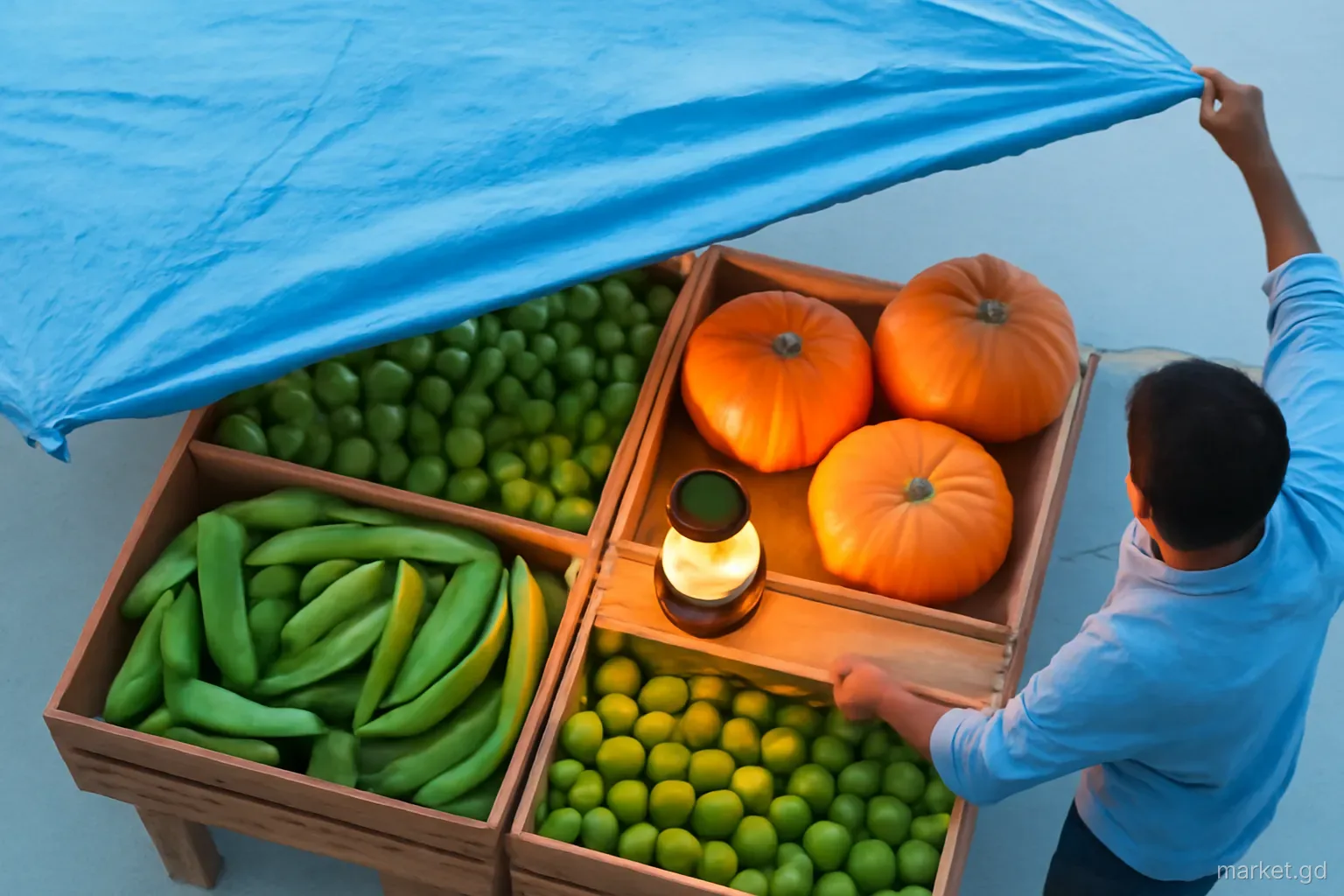
By the heap. Small, cheap or awkward items are piled into heaps that sell for a fixed sum: seasoning peppers, limes, garlic, okra, small plums and golden apples. The size of the heap is the real price signal. In a glut, heaps get bigger rather than cheaper.
By the bunch or hand. Bananas and figs (as small green bananas are often called) go by the hand or the bunch; herbs like chive, thyme and celery are tied in bundles.
By the piece. Breadfruit, pumpkins cut into wedges, pineapples, coconuts, watermelons and soursop are commonly priced each, with bigger pieces priced higher.
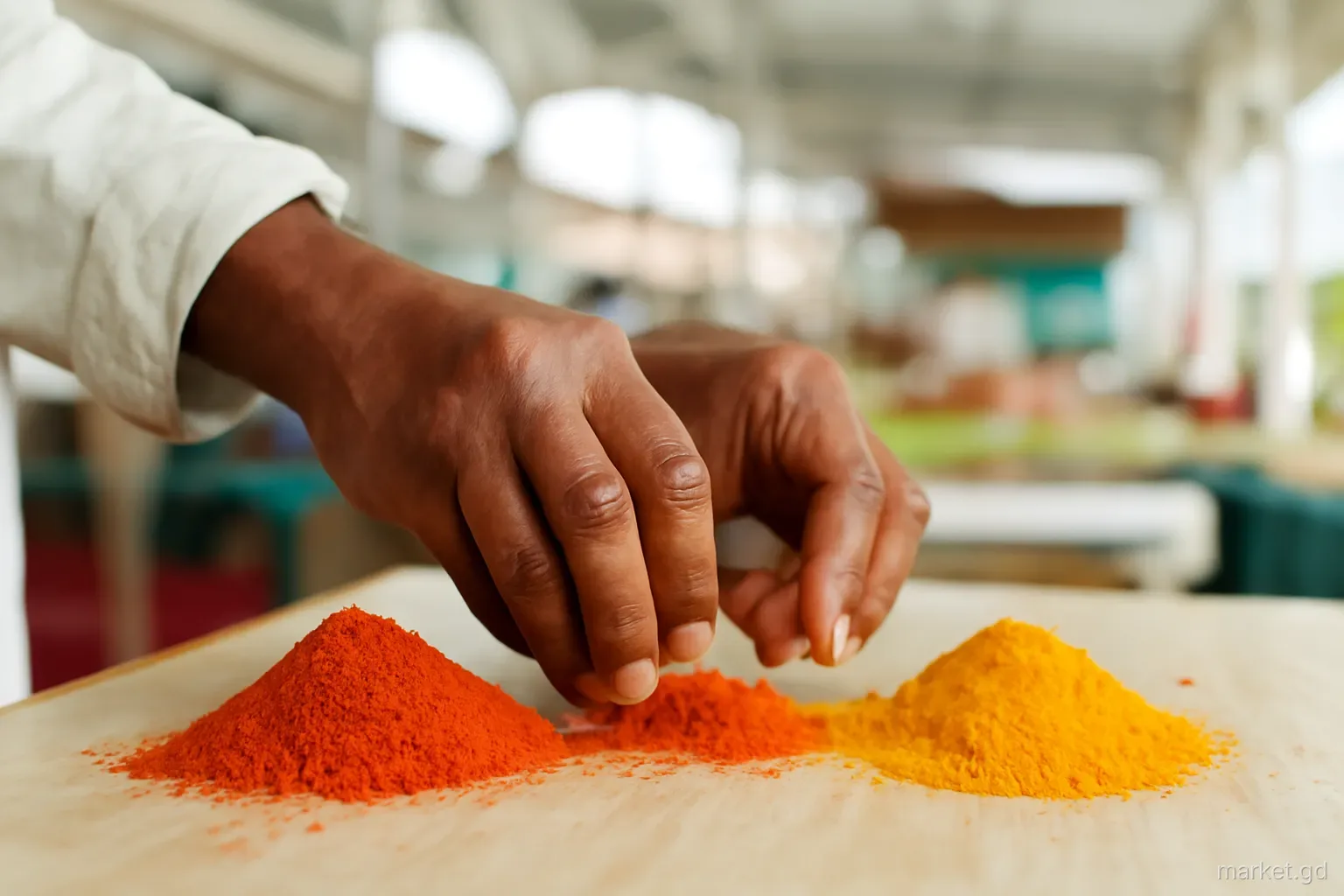
By the dozen or bag. Eggs by the dozen, and spices like nutmeg, cloves and cinnamon sticks pre-packed in small bags at a set price, which suits visitors who want a quick purchase.
Working out what a load really cost
Many vendors price by copying the stall next door. That works until costs rise. Costing one load properly takes ten minutes:
- Start with what you paid the farmer, or what the crop cost you to grow if it is your own, including any hired labour for reaping.
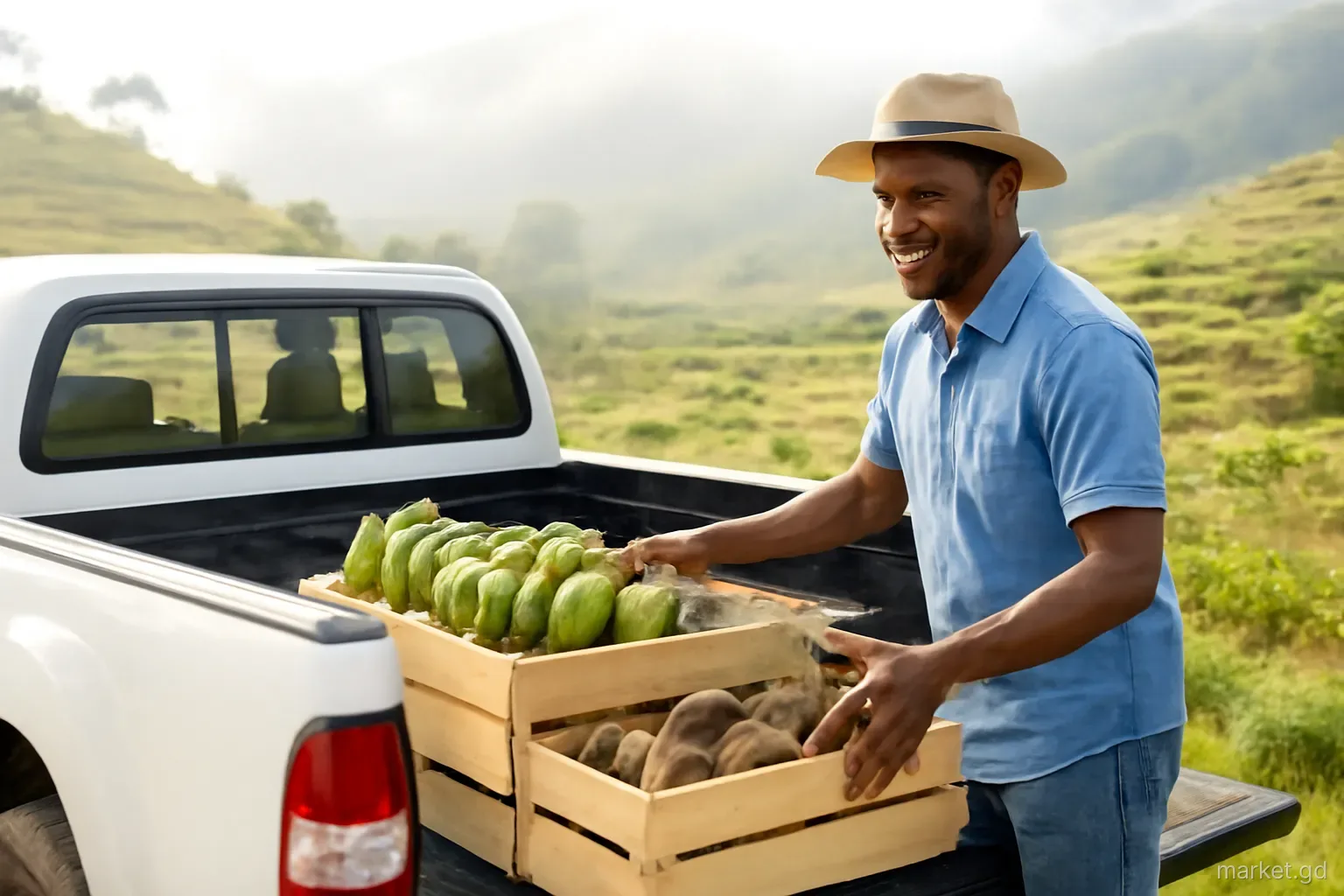
- Add transport: bus fares, pickup hire or fuel for the round trip, plus any charge for carrying bags and crates on a route bus.
- Add the day's fixed costs: stall fee, bags, ice, storage, and a fair figure for your own time.
- Estimate losses honestly. Soft fruit bruises, greens wilt and some produce simply will not sell. Ten to twenty per cent waste on perishables is common in hot weather.
- Divide the total by the amount you realistically expect to sell, not the full load, to get a break-even price per pound, heap or piece.
- Compare that figure with what the market will bear. If the going rate is below your break-even, change the product, the source or the selling day rather than trading at a loss.
How bargaining works in practice
Bargaining in Grenadian markets is real but gentle. Locals shopping for the week may ask for a better price on a large purchase or a little extra on top, and regular customers are often rewarded with an added pepper, a few limes or a rounded-down total. Hard haggling over single items is less common and can come across as rude, especially when the price is already low.
For vendors, the trick is to decide in advance where you will and will not move. Many keep firm prices early in the morning, when buyers are choosy and stock is fresh, and become flexible later. Some offer a better rate per pound for bigger quantities, which rewards the household shopper and the small restaurant buyer without cutting the price for everyone. Visitors who are unsure of local prices usually appreciate a clearly stated figure and a fair weight more than a discount. A reputation for honesty draws repeat custom in a way that clever pricing rarely does.
Displays do some of the bargaining for you. A neat stall with produce graded by size and ripeness lets buyers choose their own price point: large, perfect tomatoes at the top price, smaller ones cheaper, soft ones for sauce at the lowest. Grading also stops the familiar problem of customers picking through a pile and leaving only the worst behind. Writing prices is optional in most markets, but a vendor who states prices clearly and consistently, to locals and visitors alike, spends less time arguing and more time selling.
Scales, weights and trust
Weighing is where trust between buyer and seller is won or lost. Spring scales lose accuracy as they age, and a scale that reads heavy by even a small margin will eventually be noticed by regular buyers, who often weigh their purchases again at home. Legal metrology, the checking of commercial weighing equipment, falls under the Grenada Bureau of Standards. Ask them how scales used for trade are verified and whether your type of scale needs checking.
Simple habits help. Zero the scale in front of the customer, let them see the reading, and round in their favour when it is close. Do not weigh produce in a heavy, wet container without subtracting it. Keep a known weight, such as a sealed one-pound bag, to test the scale at the start of the day. These details sound small, but in a market where several stalls sell the same tomatoes, an honest scale is one of the few ways to stand out.
Middlemen, hucksters and the farmgate price
Not every vendor grows what they sell. Many buy from farmers in the countryside and bring produce to town, and some traders, often called hucksters or traffickers, buy in bulk to ship to markets in other islands such as Trinidad and Barbados. Their buying can push up local prices for crops in demand abroad, and when they stop buying, prices at home can fall quickly. The Grenada Marketing and National Importing Board also buys from farmers, which gives growers another outlet and sets a rough reference point.
For a vendor buying from farmers, knowing the farmgate price is essential. Talk to several growers, find out what the board and the hucksters are paying and agree prices before the crop is reaped where possible. Paying promptly in cash builds loyalty; farmers remember which vendors pay on the spot and which ask for credit and then go quiet. A reliable relationship with two or three growers protects you when supply tightens and others have nothing to sell.
When to cut prices, and when not to
Markdowns are part of the trade, but they work best when planned rather than desperate.
- Late on a Saturday, perishables that will not last until the next market day are worth more sold cheaply than carried home to rot.
- Bruised or very ripe fruit can be sold separately at a lower price for juice, jam or cooking, which keeps your main display looking fresh.
- In a glut, increase heap sizes before you cut the headline price; buyers notice the bargain and you avoid a price war with neighbours.
- Do not undercut neighbours early in the day just to clear stock fast. It spoils relations and teaches buyers to wait for your price to drop.
- Keep long-lasting items such as yams, pumpkins and dried spices at steady prices; there is no need to discount goods that keep for weeks.
Frequently asked questions
Why are some things sold in heaps instead of by weight?
Heaps are quick to sell and need no scale. They suit small items like peppers, limes and okra, where weighing a few ounces would slow the line. Buyers judge value by the size of the heap, which grows when a crop is plentiful and shrinks when it is scarce.
Is it rude to bargain at a Grenadian market?
Polite bargaining on larger purchases is normal, and regular buyers often get something extra. Pushing hard over a single cheap item is less welcome. A friendly question about a better price for buying more usually gets a fair response.
Who checks market scales in Grenada?
Legal metrology, including the verification of scales used in trade, falls under the Grenada Bureau of Standards. Vendors who are unsure whether their scale needs checking, or how often, should ask the Bureau directly, especially before buying a new scale for commercial use.
How much waste should a produce vendor expect?
It depends on the crop and the weather. Hardy items like yams and pumpkins lose little, while soft fruit, greens and herbs can lose a sizeable share in hot weather. Many vendors plan for losses of around a tenth or more on perishables when setting prices.
Should a vendor price in EC dollars or US dollars?
Local customers expect Eastern Caribbean dollars. Some vendors serving visitors quote in both currencies, using the fixed rate of EC$2.70 to US$1. Rounding US prices generously in your favour can annoy visitors who know the peg, so keep conversions clear and fair.