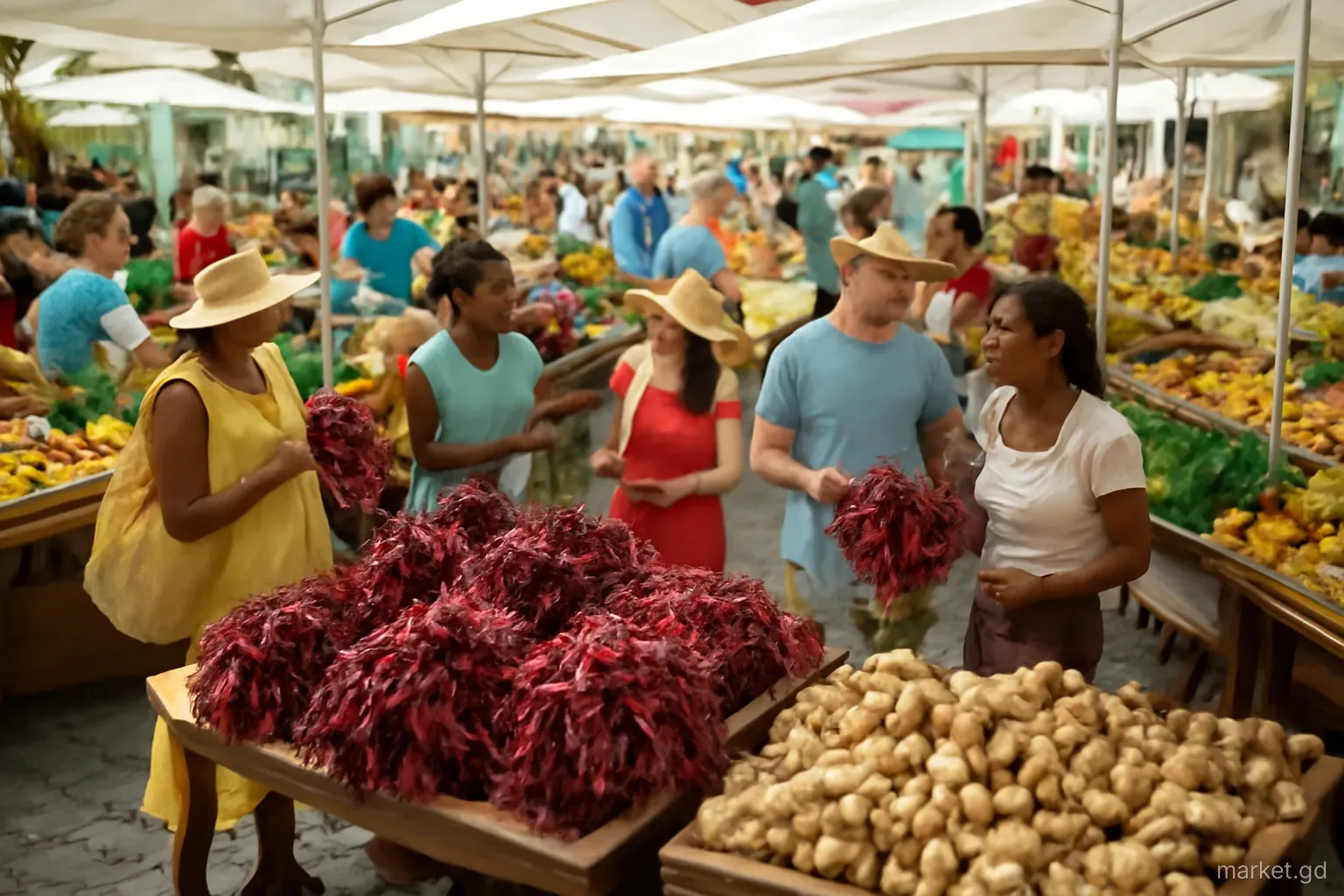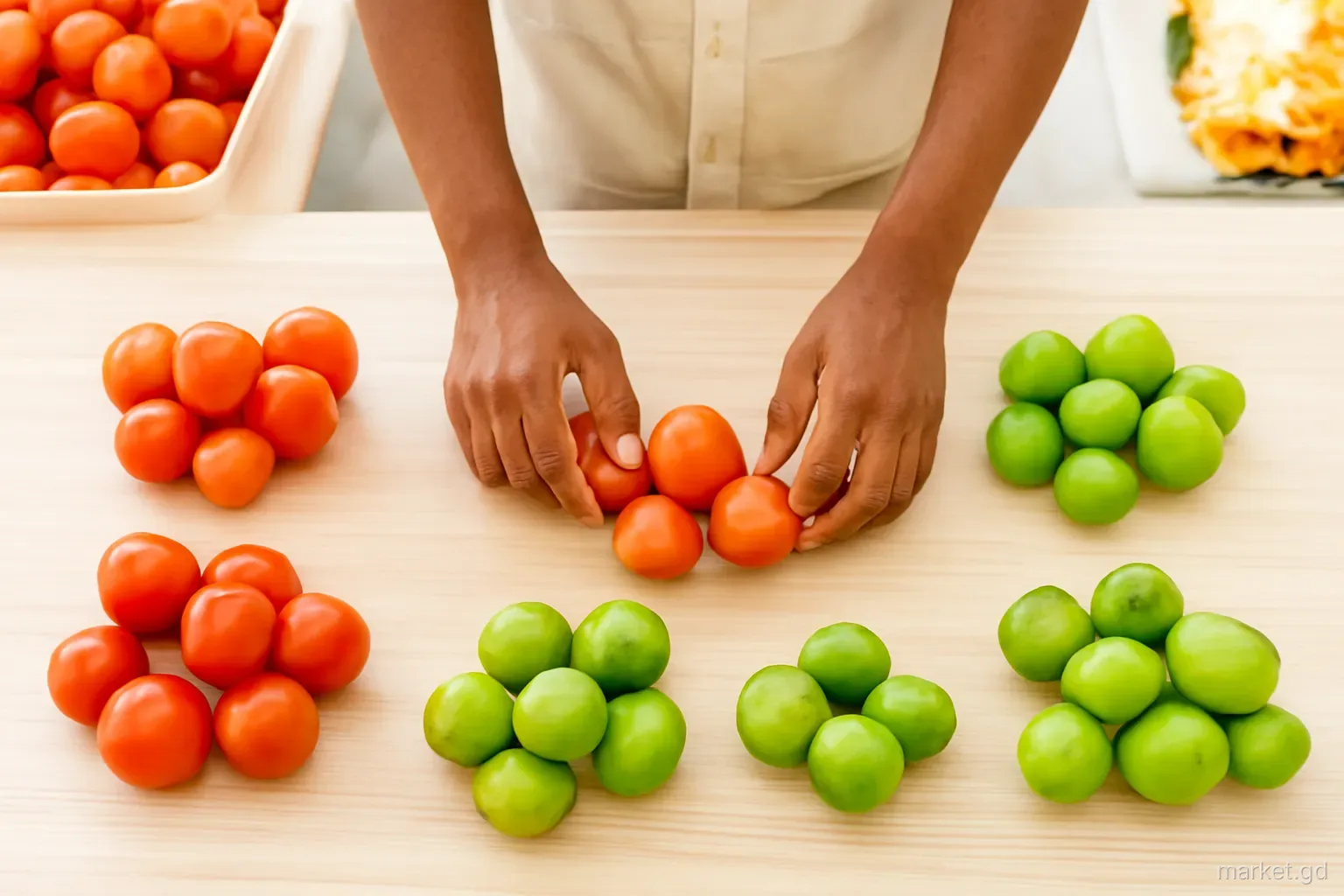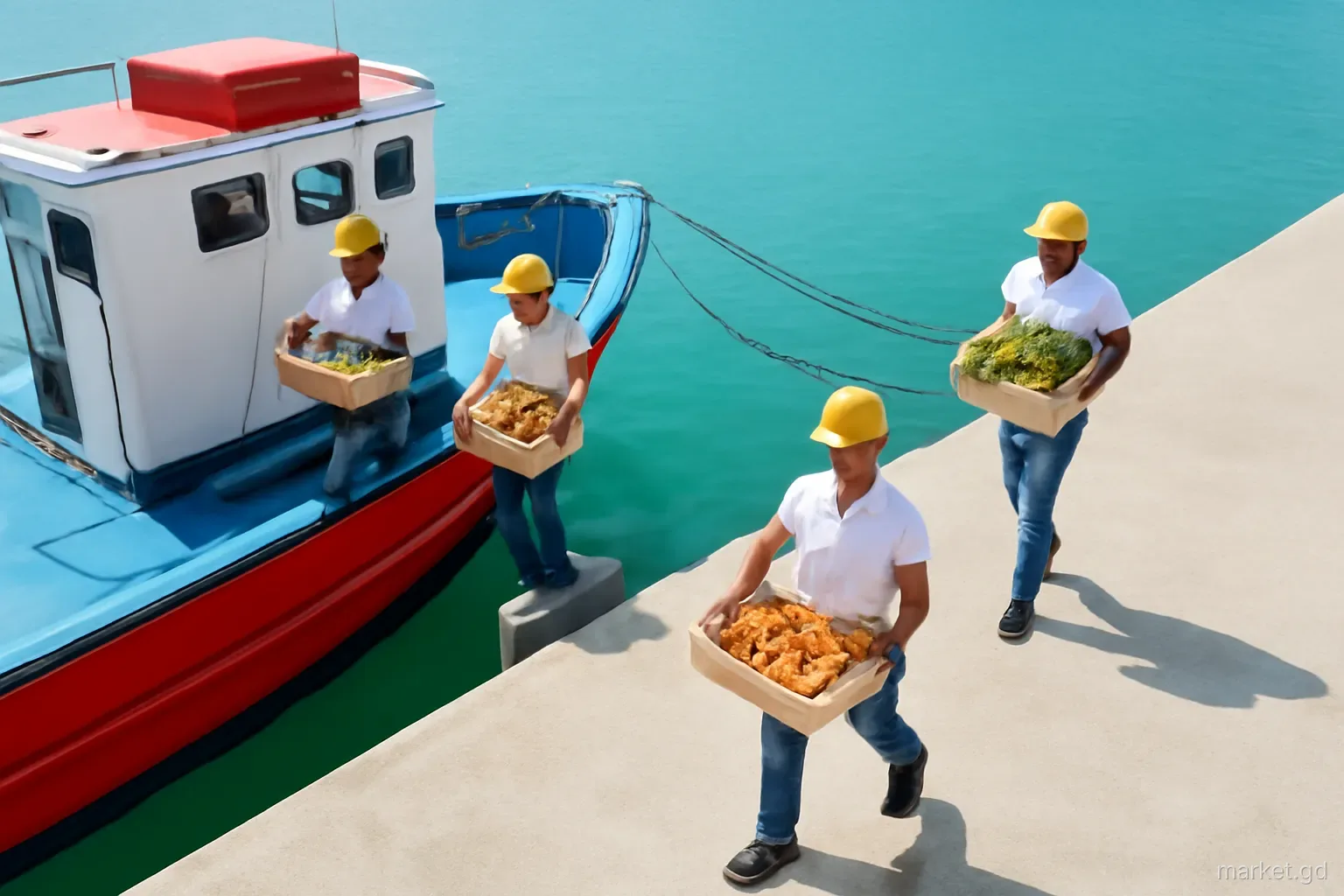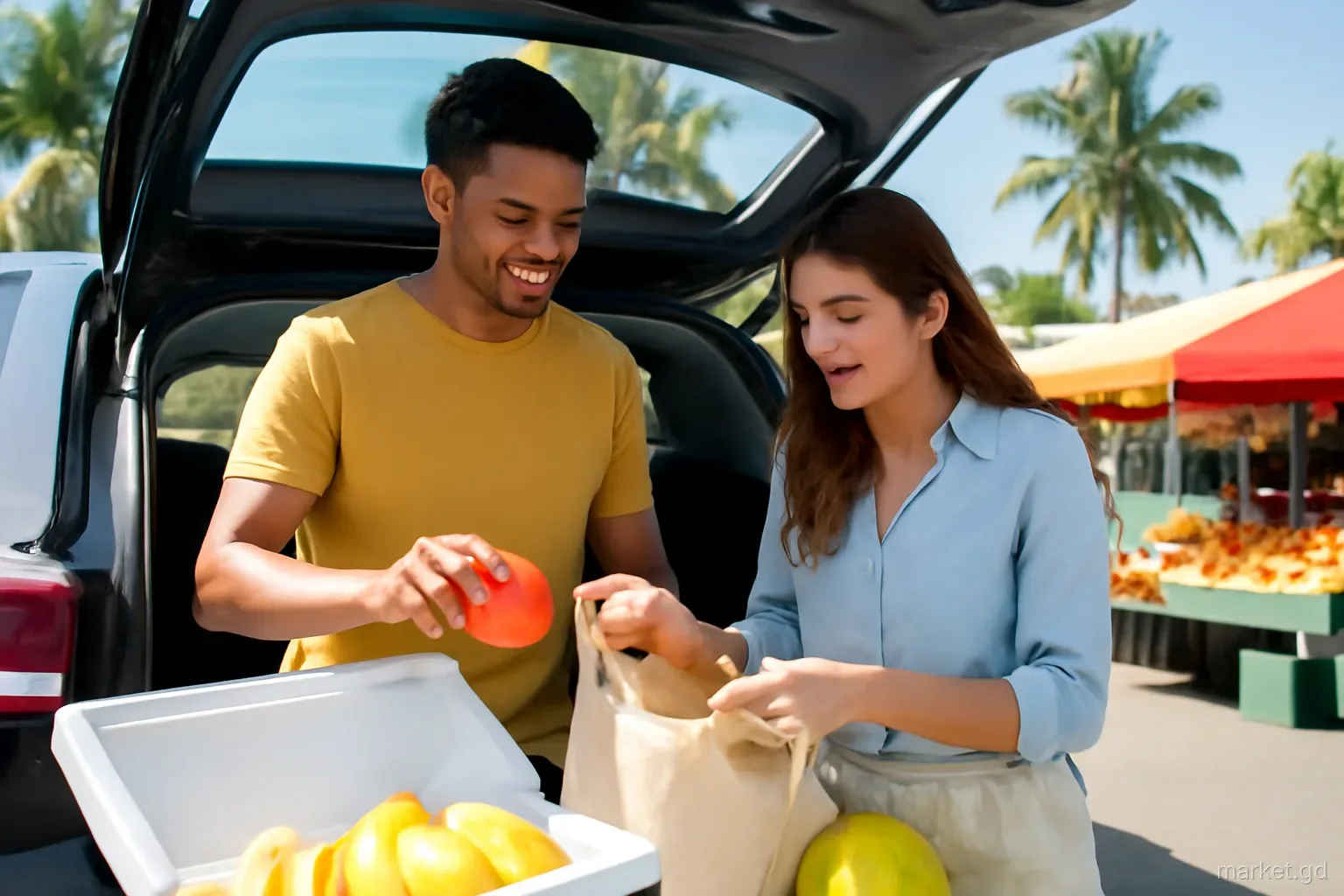
A good market morning in Grenada is decided before you leave the house. Turn up at ten with a single EC$100 note, no bag and a hot car, and you will struggle to get change, end up juggling loose fruit and watch the callaloo wilt before you reach the kitchen. Arrive at seven with small notes, sturdy bags and a cool box, and the same market becomes easy.
This checklist covers what experienced shoppers bring, what they leave behind and the small habits that make the difference: money, carrying gear, clothing, timing, food safety and the trip home. It works for Market Square in St George's, Grenville, the small-town markets and roadside stalls alike.
Money: the most important item
Markets run on cash. Getting this right avoids most awkward moments.
- EC dollars in small notes. Bring EC$5, EC$10 and EC$20 notes. Early in the morning, vendors have little change and may not be able to break an EC$100.
- Coins. EC$1 coins and smaller coins help with odd totals and small purchases.
- US dollars only as a back-up. Many vendors accept US cash, but the rate they use and the change they give in EC dollars are their choice. The official rate is fixed at EC$2.70 to US$1, but in practice small traders often round it.
- A rough budget. Decide what you plan to spend and bring a little extra for surprises.
- Money split up. Keep most of your cash in an inside pocket and a small amount handy for quick purchases.
- No cards expected. Do not count on card payment at stalls. Withdraw cash beforehand, as ATMs near markets can be busy on Saturday mornings.
Bags and carrying gear
Grenada has moved to restrict single-use plastics and polystyrene containers, and many vendors offer limited bags. Bring your own.
- Sturdy reusable bags. Two or three strong bags with comfortable handles. Provisions are heavy.
- A rigid container or basket. For soft fruit like ripe mangoes, pawpaw and tomatoes that bruise easily.
- A small cool bag or cool box. Essential if you buy fish, meat or anything you will not refrigerate soon, and useful for greens on a hot day.
- Ice packs. To keep the cool box cold during a long journey.
- A backpack. Frees your hands on crowded streets and buses.
- Paper or cloth wraps. For herbs and greens, which last longer wrapped loosely than sealed in plastic.
- A small knife and a cloth. Useful if you want to try fruit on the spot or wipe sticky hands after eating a mango, though vendors will often cut fruit for you if asked.
Clothing and comfort
Shoes with grip. Market areas and the steep streets of St George's can be slippery, especially after rain or where produce has been dropped. Closed shoes or sandals with good grip are best.
Light, breathable clothes. Markets get hot quickly once the sun is up. Cotton or linen keeps you cooler than synthetics.
A hat and sunscreen. Many stalls are under umbrellas or roofs, but you will spend time in the sun walking between them.
Water. A bottle of water helps on a hot morning. Coconut water from a vendor is a good alternative.
Modest dress. Grenada is relaxed but fairly conservative in town. Beachwear and bare chests are out of place in St George's markets and streets, and many Grenadians find it disrespectful to shop in swimwear.
Rain protection. A compact umbrella or light rain jacket is worth carrying in the rainy season. Showers often pass in minutes, and an umbrella also gives shade on a bright morning.
A shopping plan in your pocket
Experienced market shoppers do not carry a rigid list, but they do carry a plan. Before leaving, check what is already in the kitchen, decide roughly how many meals you will cook before the next market trip and note the staples you are short of. That way you buy enough provisions and seasoning without overloading on fruit that will ripen all at once.
Think about ripeness as part of the plan. A pawpaw for Tuesday, plantain for Thursday and mangoes for the weekend should all be chosen at different stages, and vendors will help if you tell them when you plan to eat each item. Leave room for a few surprises, such as a fruit in its first week of season or a bundle of especially good callaloo.
Finally, plan the route. Walk the market once before buying, note who has the best of what you need, and then buy heavy items last if you are walking, or first if a car is parked nearby.
Timing your visit
Early is better at every market in Grenada. On Saturday at Market Square, vendors are set up from first light and the widest choice is available from roughly six to nine in the morning. By late morning, the best produce has gone, the heat has built and many vendors begin to pack up.
Weekday markets are smaller and calmer, and good for top-up shopping. Cruise ship days in St George's change the atmosphere, with more visitors in the spice rows; if you want a quiet shop, go early before passengers arrive or choose a day without ships.
In the rainy season, roughly June to November, heavy showers can delay vendors from the country. A short delay is common after a downpour; on a very wet morning, the market may simply be thinner than usual.
Holidays shift the pattern too. The days before Christmas, Easter and Carnival are the busiest of the year, with crowds from early morning, while the holidays themselves are quiet or closed. If your visit falls near one of these dates, shop two days ahead rather than one, and expect to queue for popular items such as sorrel at Christmas or fish before Good Friday.
Getting produce home safely
Food safety in a hot climate starts at the market and ends in your fridge.
- Buy fish and meat last, so they spend the least time out of the cool box.
- Keep raw fish and meat separate from fruit and vegetables, ideally in their own bag.
- Avoid leaving bags in a parked car in the sun. Interiors heat up quickly.
- Unpack as soon as you get home. Refrigerate greens, fish and ripe fruit immediately.
- Store provisions such as yam, dasheen and sweet potato in a cool, airy place, not the fridge.
- Wash all produce in clean water before eating, including fruit you plan to peel.
- Use callaloo and other leafy greens within two or three days, and cook dasheen leaves thoroughly.
What to leave at home
Large notes. A wallet full of EC$100 notes causes more problems than it solves.
Valuables you do not need. Busy markets anywhere attract petty theft. Leave expensive jewellery and extra cards at your accommodation.
Expectations of supermarket order. Markets are lively and a little chaotic. Patience goes further than rushing.
A strict shopping list. Let the market decide part of your menu. What is fresh and plentiful will be better and cheaper.
Plans to take fresh produce abroad. Most countries restrict fresh fruit, vegetables and plants in luggage. Buy for eating in Grenada and take dry spices home instead, declaring them if required.
A rushed attitude. Conversations with vendors, a greeting to the person next to you and time spent waiting for change are part of market life. Building in a relaxed hour, rather than squeezing the market between other plans, makes the morning far more enjoyable.
Frequently asked questions
Do you need cash at markets in Grenada?
Yes. Market vendors and roadside sellers almost always deal in cash, mostly EC dollars. Bring small notes and coins, since vendors often cannot change large notes early in the day. US dollars are widely accepted, but rates and change are at the vendor's discretion.
What time should you get to the market in St George's?
For the best choice, aim to arrive between about six and nine in the morning, especially on Saturday. By late morning the best produce has gone and the heat is building. Weekday markets are smaller but also best visited early.
Are plastic bags available at Grenadian markets?
Some vendors provide bags, but supply is limited and Grenada has been restricting single-use plastics. Bringing your own sturdy reusable bags, plus a basket or rigid container for soft fruit, is the practical approach and is increasingly expected.
Is it safe to eat fruit straight from the market?
Fruit you peel is generally fine once washed. Wash all produce in clean water before eating, including skins you will remove, as hands and knives can transfer dirt. Be cautious with cut fruit that has been sitting in the heat, and buy whole where possible.
What should you wear to a market in Grenada?
Light, breathable clothing, shoes with good grip and a hat. Markets get hot and some areas are slippery. Dress modestly in town; beachwear is out of place in St George's and the other market towns, even on a hot morning.
Can you take market produce home on a flight?
Usually not for fresh fruit, vegetables or plants, which most countries restrict to prevent pests and diseases. Dry, whole spices such as nutmeg, cinnamon bark and cloves are generally allowed if declared. Check your destination's customs rules before buying.