Carriacou is small, dry and a few hours by sea from the main island, and that shapes everything about buying food there. Some produce is grown on the island, especially pigeon peas and corn, but a large share of fresh fruit and vegetables arrives by boat from Grenada. What you can buy on a given day depends on when the boats come in.
This page explains how food shopping works in and around Hillsborough, what grows locally, how boat days shape supply, and what self-catering visitors and residents should bring or plan for. Carriacou and Petite Martinique were badly damaged by Hurricane Beryl in July 2024, so business patterns may have changed. Check locally before relying on any particular shop or vendor.
Why boats matter so much
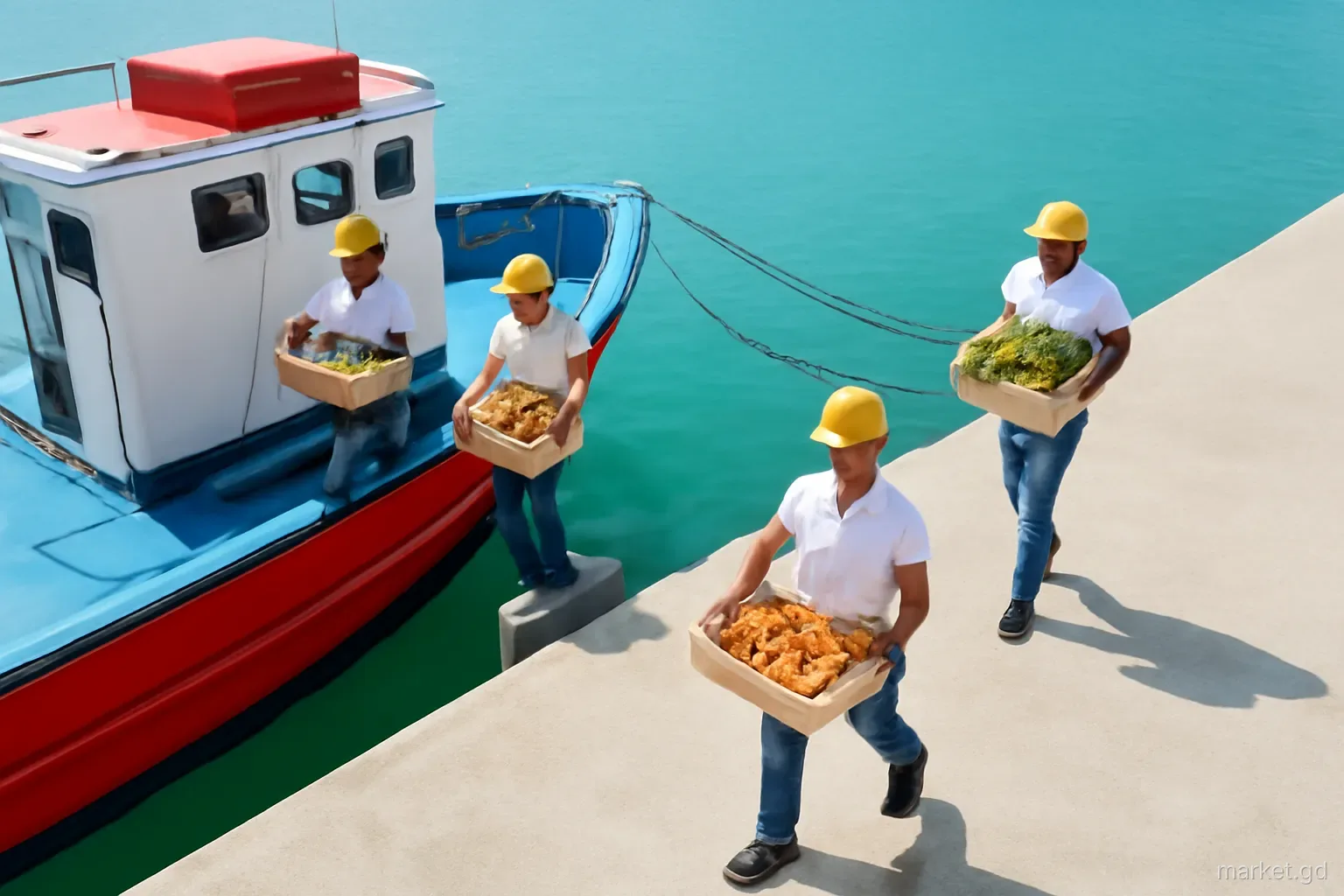
Carriacou has a long dry season and limited water, and much of its farmland is suited to drought-tolerant crops rather than the leafy greens and soft fruit of mainland Grenada. Meanwhile, almost everything else, including many vegetables, imported groceries, building materials and fuel, comes by sea. The ferry and cargo vessels running between St George's and Carriacou are a lifeline; Hillsborough has long been the main port of call, but check where boats are docking now.
For food shopping, this means a rhythm. When a boat comes in with produce from Grenada, fresh supplies appear in the market and shops. Between boats, choice narrows and certain items run out. Residents often know the schedule and plan around it, buying greens, tomatoes and fruit soon after a delivery.
Rough seas, mechanical problems or schedule changes can delay deliveries, and in hurricane season a storm can interrupt supply for days or longer. The experience after Hurricane Beryl showed how quickly a small island's food system depends on what can be shipped in.
What grows on Carriacou
Pigeon peas. Pigeon peas are a signature Carriacou crop, grown widely and harvested mainly in the cooler, drier months around the end of the year. They appear fresh in the pod, shelled, and dried, and are central to island cooking.
Corn. Corn is planted with the rains and is part of traditional Carriacou agriculture and food culture, including dishes and ceremonies tied to the island's heritage.
Hardy fruit. Mangoes, sugar apple, sapodilla, plums and other trees that cope with dry conditions produce in season. Quantities vary widely year to year with rainfall.
Small-scale vegetables. Some households and small farms grow vegetables, peppers and herbs, but in limited quantities compared with the main island, especially in dry months.
Fish. Fishing is important on Carriacou and Petite Martinique, and fresh fish is often more reliably available than fresh vegetables. Supply depends on the day's catch and the weather.
Hillsborough: where to start
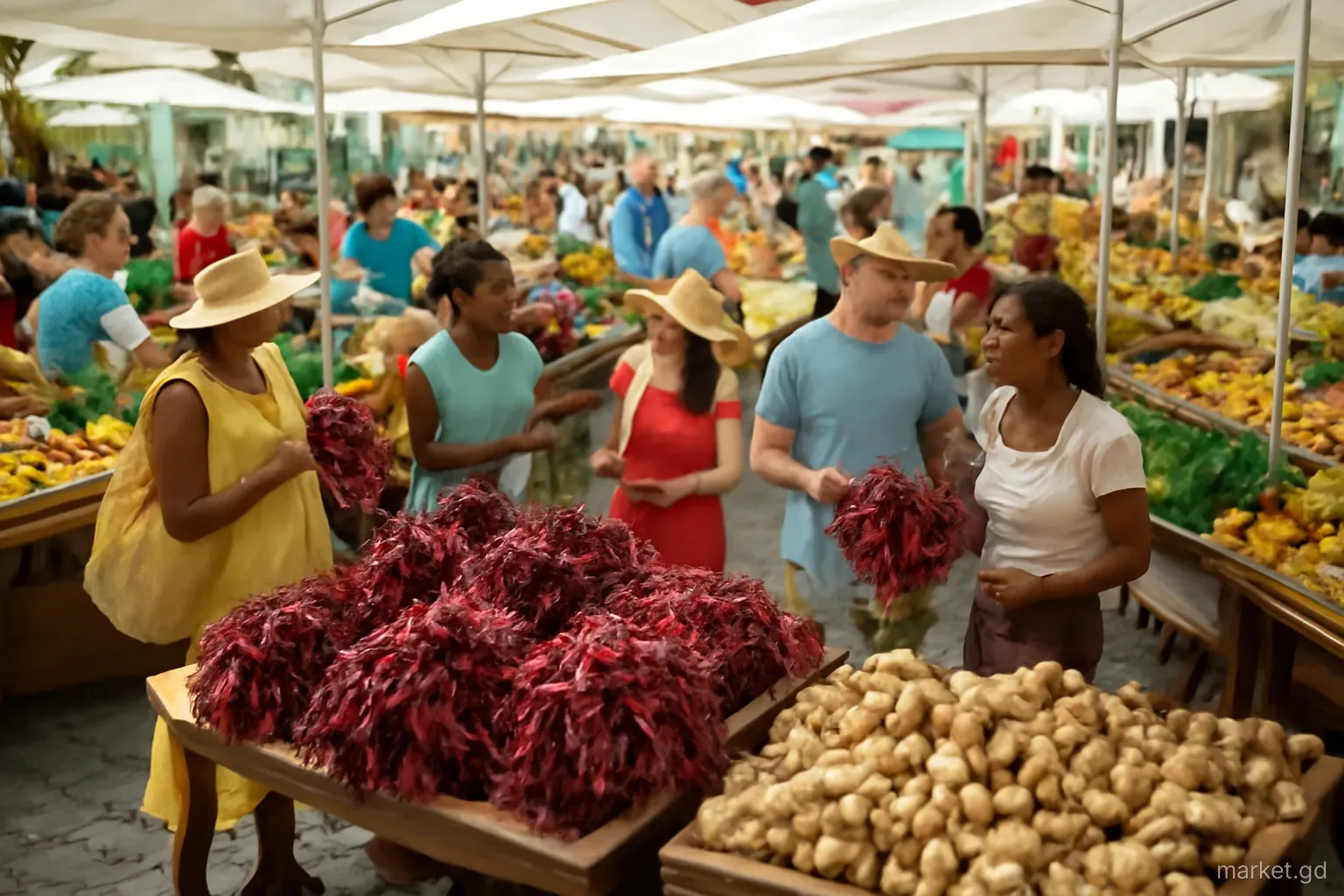
Hillsborough is Carriacou's main town and port, and its small market area near the waterfront is the natural starting point for fresh food. Vendors sell produce brought in by boat alongside local goods. The scale is small, a handful of stalls rather than rows, so arrive early on delivery days and buy what you need while it is there.
Around the town, small grocery shops and supermarkets stock imported goods, dry foods, frozen meat and some fresh items. Several shops in other villages, such as around Bogles, Harvey Vale and L'Esterre, have served their neighbourhoods, though after the 2024 hurricane it is wise to check which are operating.
Bakeries are worth knowing about too. Fresh bread, coconut bake and other baked goods are part of daily shopping on the island, and a bakery run early in the morning often doubles as the best way to hear when the next boat is due and which vendor has fish. On an island this size, information travels by conversation, and shopkeepers are usually the best-informed people in town.
On Petite Martinique, the even smaller sister island, food shopping is limited to a few shops and whatever arrives by boat. Visitors staying there usually bring supplies or buy in Hillsborough before crossing.
How to shop well on Carriacou
A little planning makes self-catering much easier on a small island.
- Ask on arrival when produce boats are expected. Your accommodation host or shopkeepers will usually know.
- Buy fresh greens and soft fruit soon after a delivery, when they are at their best and before stock runs out.
- Stock up on staples early: rice, flour, tins and dry goods. These are reliably available but can run short before a boat.
- Consider bringing a few items from the main island if you are travelling by ferry, especially specialist ingredients.
- Buy local produce in season, such as pigeon peas, which is likely to be fresher and better value than imported equivalents.
- Carry enough cash. ATMs exist in Hillsborough but can be out of service, and small traders prefer cash.
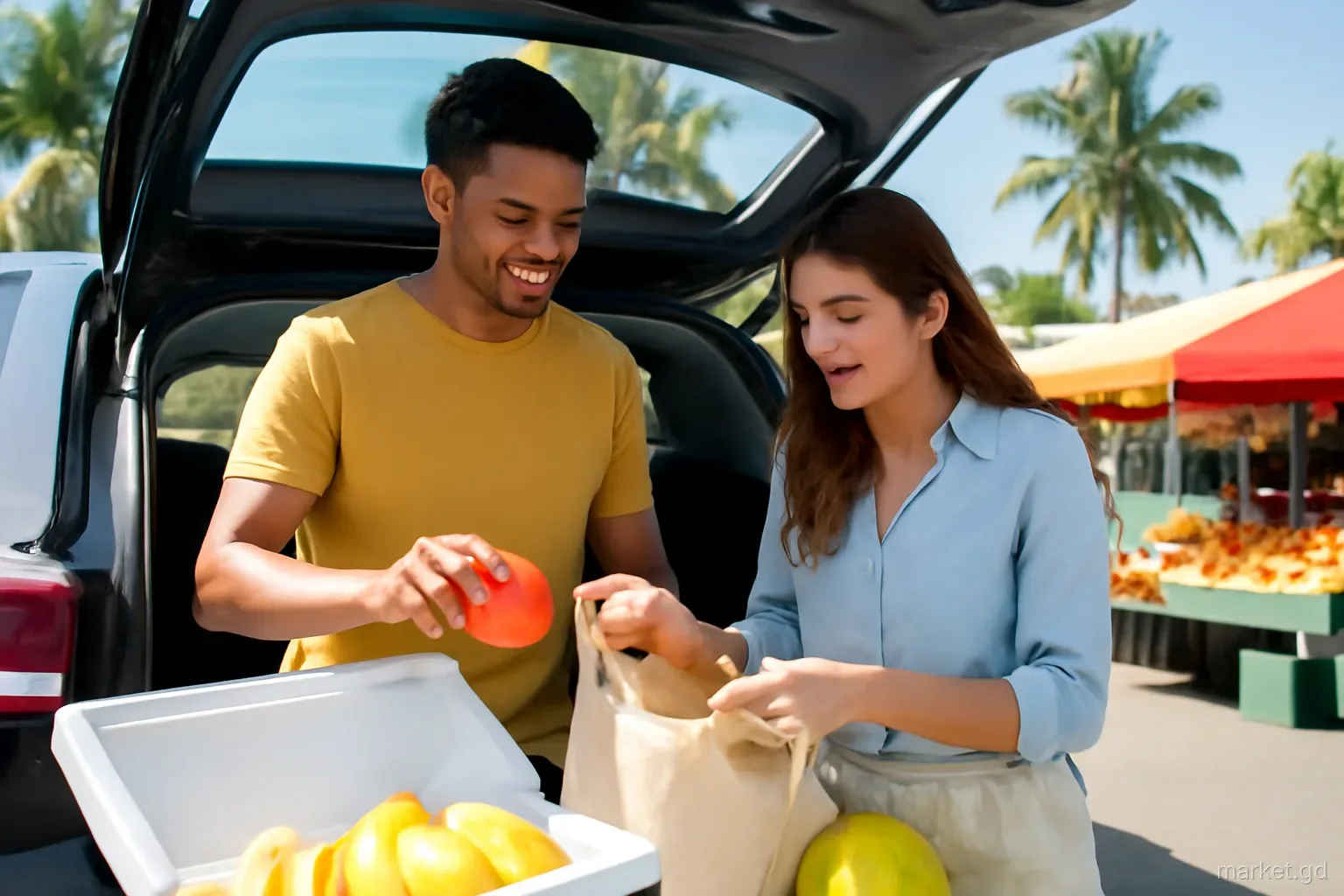
- Keep a cool box and ice for fish, as power interruptions and limited fridge space are possible.
Cooking with what the island offers
Self-catering on Carriacou works best when you cook the island's way rather than trying to recreate a supermarket menu. Pigeon peas are the obvious example: cooked with rice and coconut milk as pelau or peas and rice, or stewed with salted meat, they turn a few local ingredients into a full meal. Fresh fish, seasoned with lime, chive, thyme and pepper and fried, steamed or grilled, is often easier to buy than a full range of vegetables.
Provisions shipped from Grenada keep well, so yams, dasheen and sweet potatoes bought on a delivery day will last through the week. Breadfruit, plantain and green bananas fill the same role. Dry goods, rice, flour and tins are the backbone between boats, while local fruit in season adds what the shelves lack.
Asking a vendor or shopkeeper how they would cook something is usually welcomed, and it is the fastest way to learn which island dishes suit the ingredients available that week.
After Hurricane Beryl: what to check
Hurricane Beryl struck Carriacou and Petite Martinique in July 2024, destroying or damaging a large proportion of homes and buildings and disrupting services. Recovery has been ongoing, and some businesses may have closed, moved or changed how they operate.
- Check with your accommodation which shops and vendors are currently trading before you arrive.
- Confirm the ferry and cargo boat schedule close to your travel date, since services and timetables can change.
- Do not rely on online listings or old guidebooks for opening hours or locations.
- Ask about water supply. Carriacou relies heavily on rainwater and desalination, and supply may be a consideration for self-catering.
- Be patient with shortages and price rises. Supply chains on small islands take time to recover.
- Buy locally where you can. Spending with island vendors supports the recovery directly.
Mistakes visitors make
Assuming mainland choice. Carriacou is not St George's. Some ingredients simply will not be available on a given day.
Ignoring the boat rhythm. Shopping the day before a delivery can mean empty shelves. Timing your shopping to the boats makes a big difference.
Running out of cash. Small traders and island shops are cash businesses, and ATM access can be unreliable.
Wasting water. On a dry island with limited supply, washing produce sensibly and conserving water is part of shopping and cooking responsibly.
Forgetting festival dates. Events such as the Carriacou Regatta and the Maroon and String Band Music Festival draw crowds and can strain supplies. Shop early during festival periods, and ask your host whether demand is likely to be high while you are there.
Buying more than you can store. Accommodation fridges are often small and power cuts are possible. Buying perishable food in modest quantities, and more often, wastes less than one big shop.
Frequently asked questions
Is there a market on Carriacou?
Yes, Hillsborough has a small market area near the waterfront where vendors sell local produce and goods brought in from Grenada. It is much smaller than the markets on the main island. Supply depends heavily on boat deliveries, and after Hurricane Beryl in 2024 it is wise to check current arrangements.
How does fresh produce get to Carriacou?
Much of it is shipped from the main island of Grenada on cargo vessels and the passenger ferry that run between St George's and Hillsborough. Local farms add crops such as pigeon peas and corn, plus seasonal fruit. Weather and schedule changes can delay deliveries.
What food is Carriacou known for?
Carriacou is known for pigeon peas, corn and seafood, and for traditional dishes associated with its heritage, including those prepared for events such as the Maroon festival. Fresh fish and lobster in season feature strongly. Dishes and availability vary with season and catch.
Should you bring groceries from Grenada to Carriacou?
It can help, particularly specialist ingredients or items you rely on. Staples are usually available on Carriacou, though shortages happen before a delivery. If you travel by ferry, bringing a bag of favourite items is practical; check baggage rules with the ferry operator.
Is food more expensive on Carriacou?
Often slightly, because many goods pay shipping costs on top of their price in Grenada. Local produce in season can be good value. After Hurricane Beryl, supply disruptions affected prices, so expect some variation and budget a little more than you would on the main island.
Can you buy food on Petite Martinique?
There are a few small shops on Petite Martinique, but choice is limited and depends on boat deliveries. Many visitors shop in Hillsborough before crossing. As on Carriacou, check which businesses are operating after the 2024 hurricane before you rely on them.